 Food
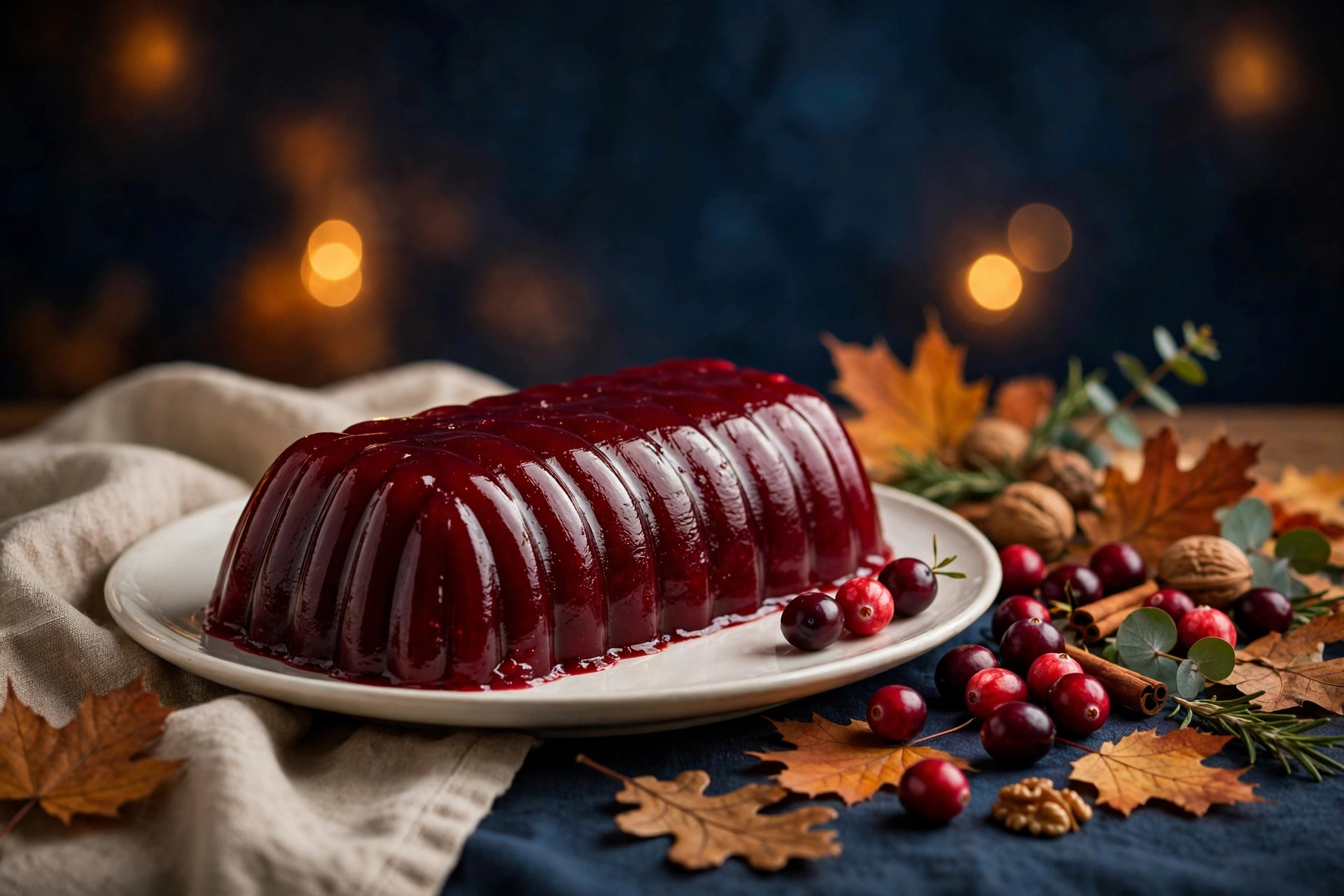
Why Do We Eat Cranberry Sauce on Thanksgiving? From Bogs to Cans
Cranberry sauce reached the Thanksgiving table because the berry is native to North America, an 1796 cookbook paired it with turkey, and canning made it cheap and year-round.
Original, verified facts from science, history, space, nature and the human body — explained simply, in plain English.
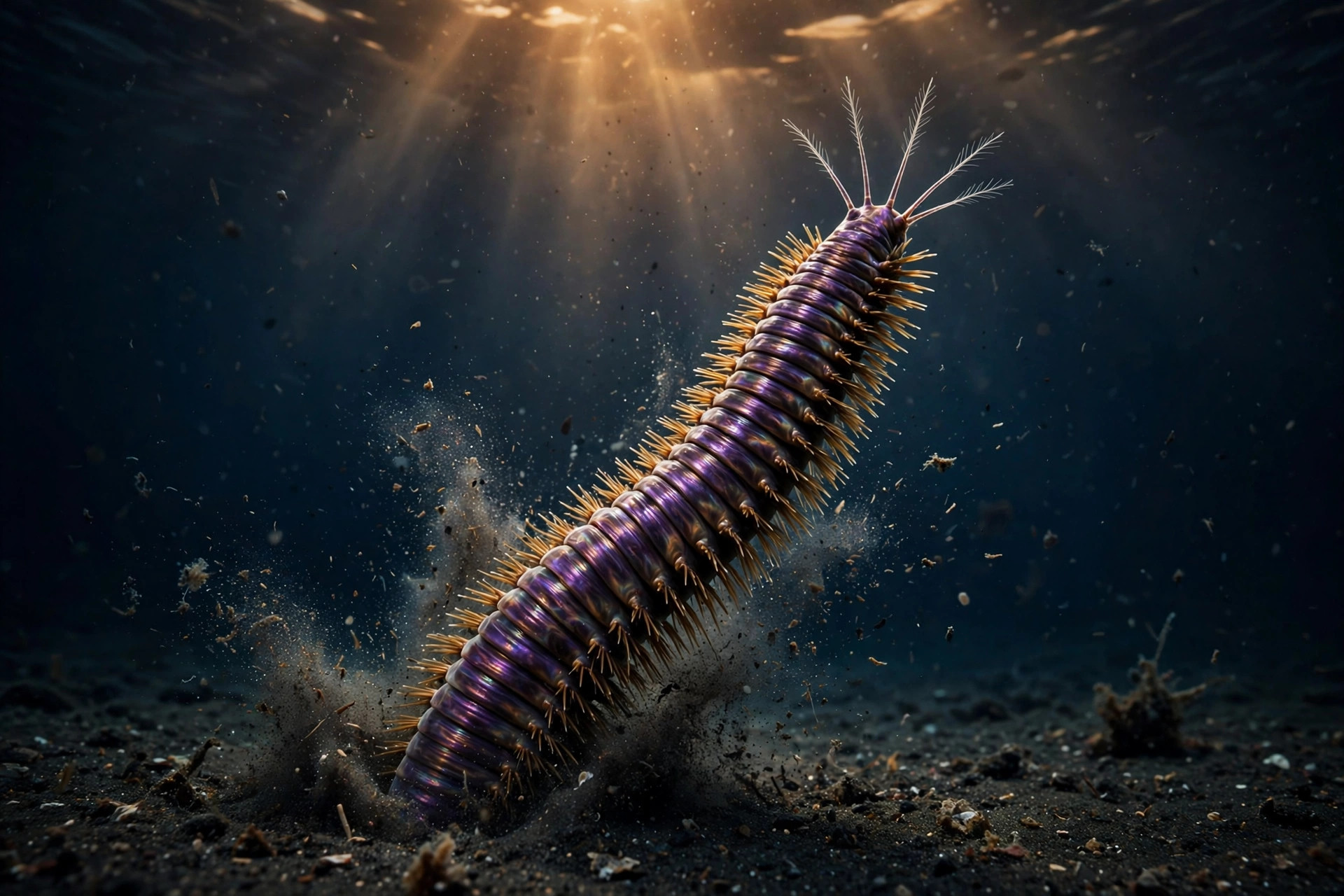
The bobbit worm is a giant bristle worm that hides in the seabed and ambushes passing fish with scissor-like jaws — the longest polychaete worm on record.
Read the full story →Fresh verified facts, newest first.
FoodCranberry sauce reached the Thanksgiving table because the berry is native to North America, an 1796 cookbook paired it with turkey, and canning made it cheap and year-round.
 Mind
Déjà vu is a brief mismatch between familiarity and memory — your brain flags a new scene as familiar, then catches the error a moment later.
 History
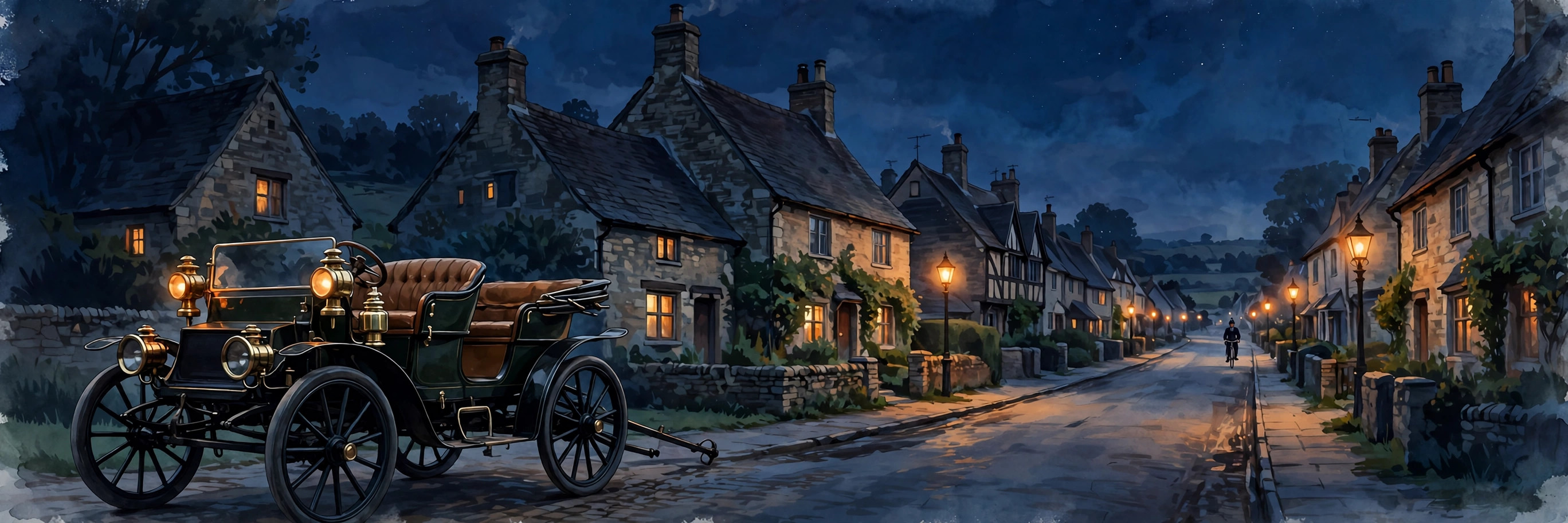
The first speeding ticket in history was issued for driving at 8 mph — four times the legal limit of 2 mph — and the officer who caught the driver was on a bicycle.
 Science
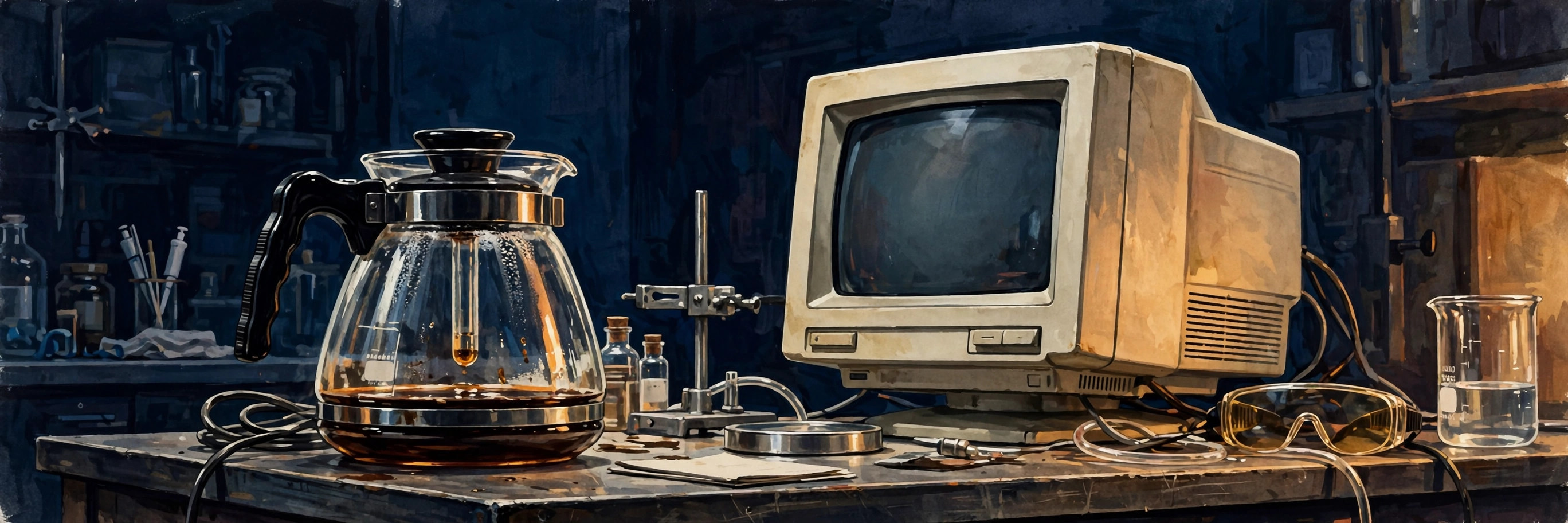
The first webcam was not built for fame or fortune. It was built so a handful of Cambridge researchers would stop climbing stairs for an empty coffee pot.
 History
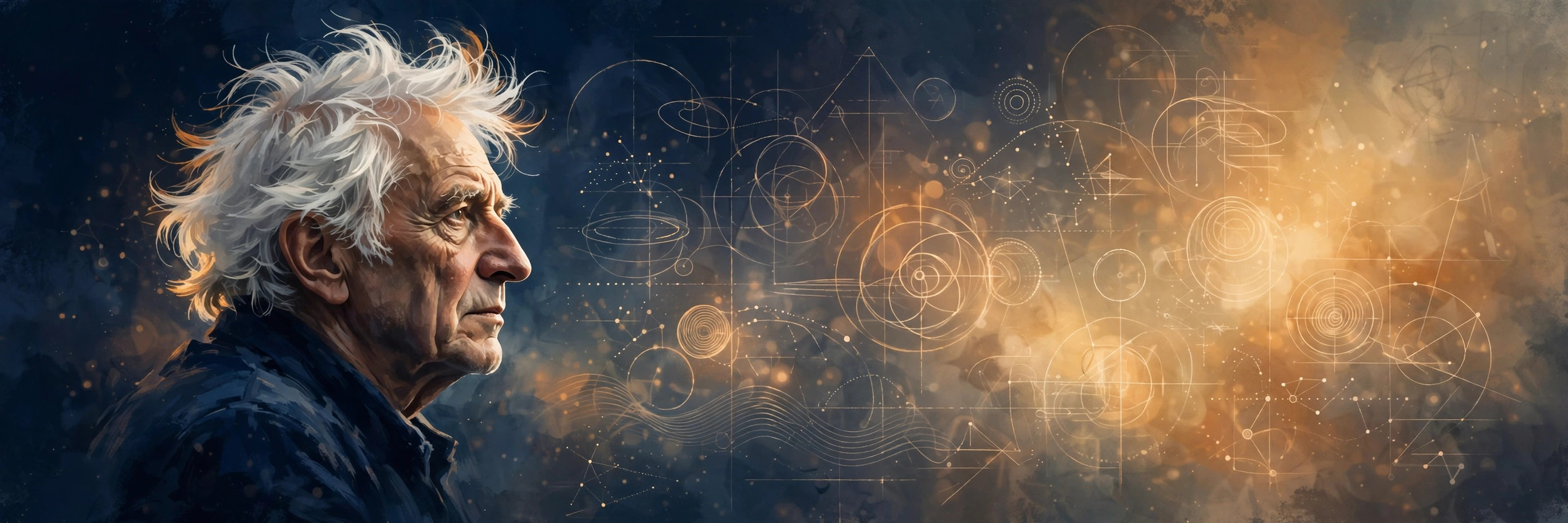
In November 1952, Albert Einstein was offered the presidency of Israel. He declined within a day — and his reason was strikingly honest.
 Human Body
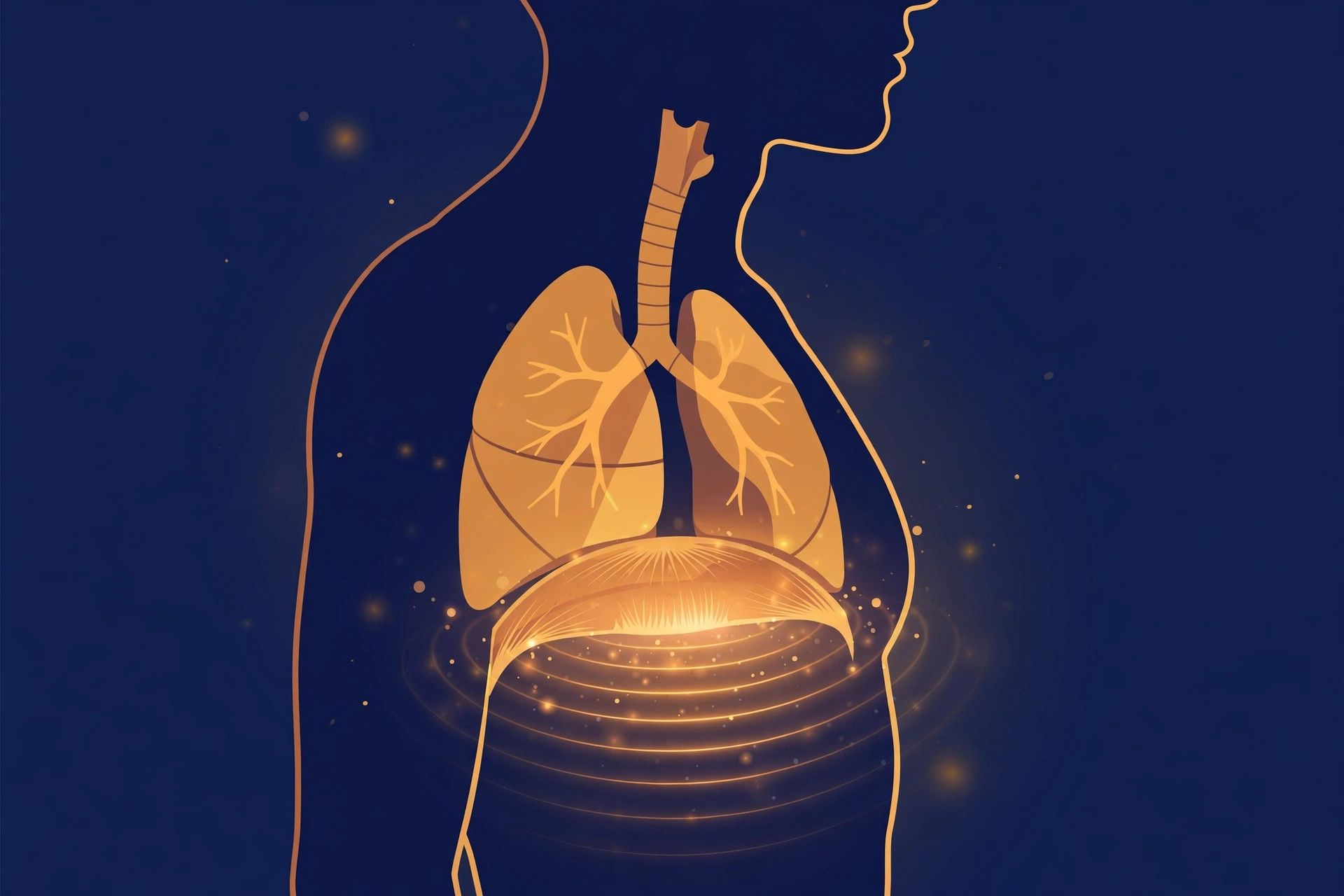
Why do we get hiccups? A hiccup is a two-part reflex: your diaphragm jerks down without warning, and a fraction of a second later your vocal cords snap shut — that snap makes the "hic" sound.
 Science
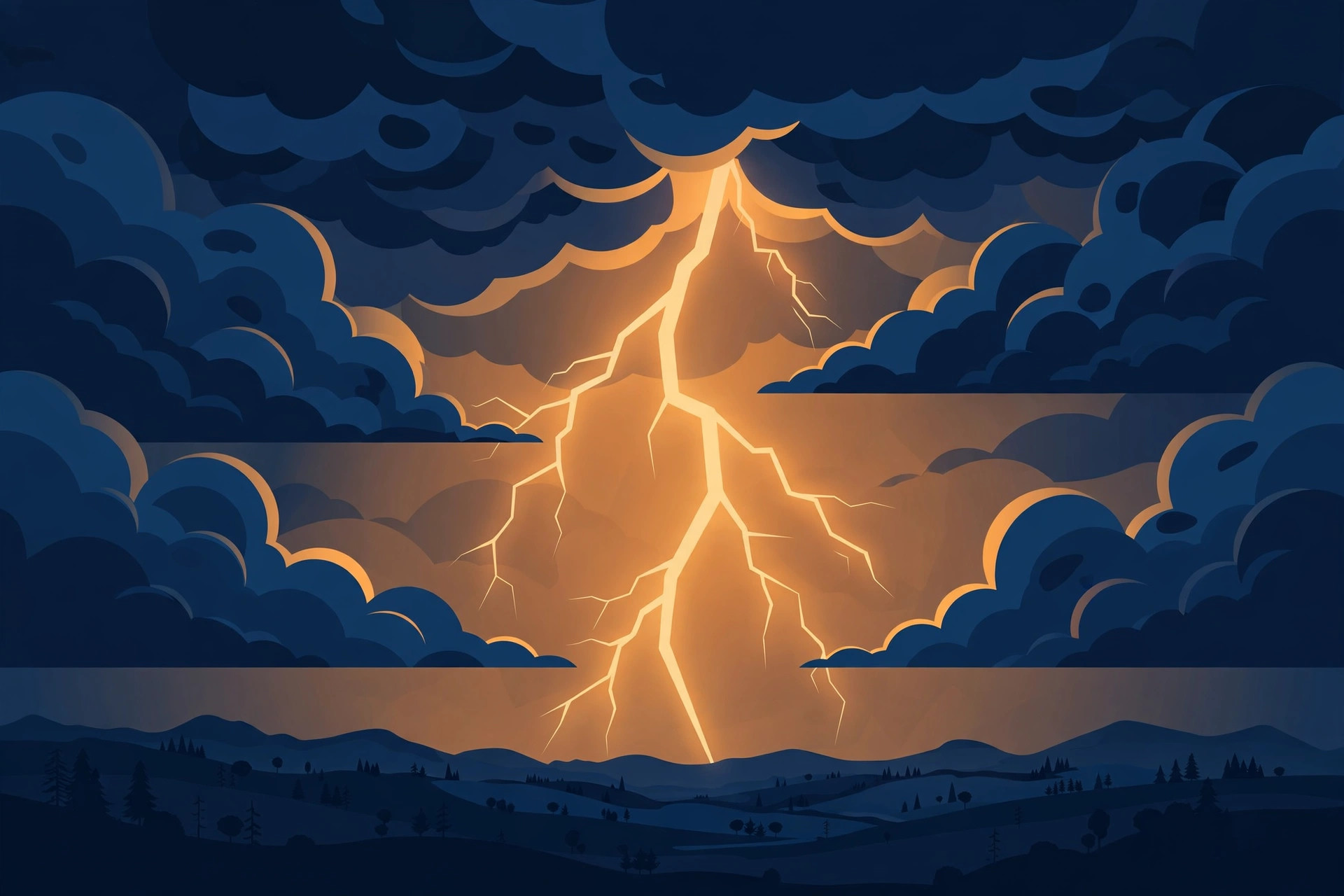
Why do we see lightning before thunder? Both are born in the same instant — the flash is the discharge, the thunder is the air it superheats exploding outward. Light simply arrives first, by a huge margin.
 Space
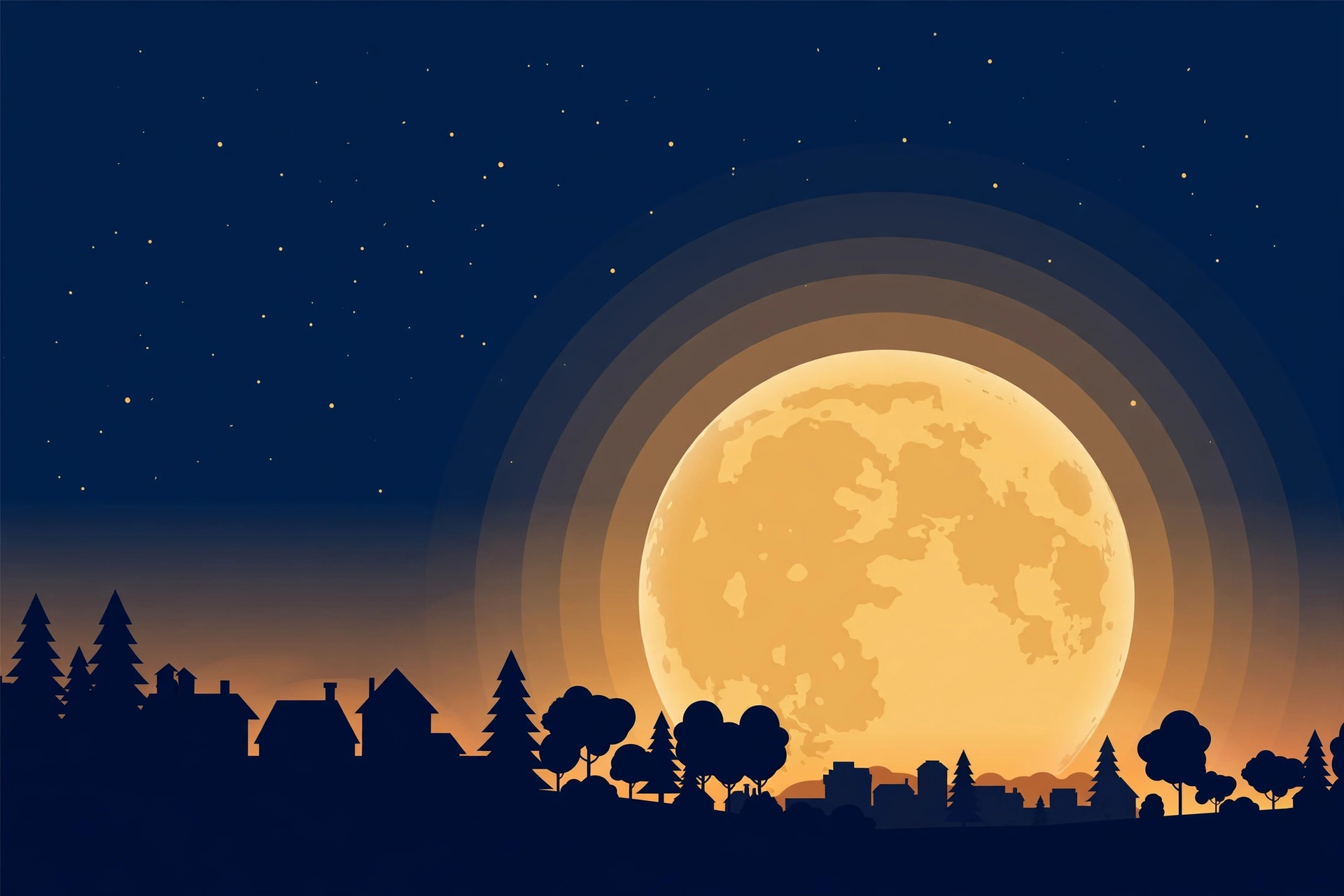
Why does the Moon look bigger on the horizon? It does not — photographs prove the disc is the same size. The Moon illusion is your brain misjudging distance, not the Moon changing size.
 Animals
Why do dogs tilt their heads? They are tuning their ears to locate a sound, seeing past their own muzzle, and concentrating on words they recognise — a sign your dog is paying close attention.
 Health
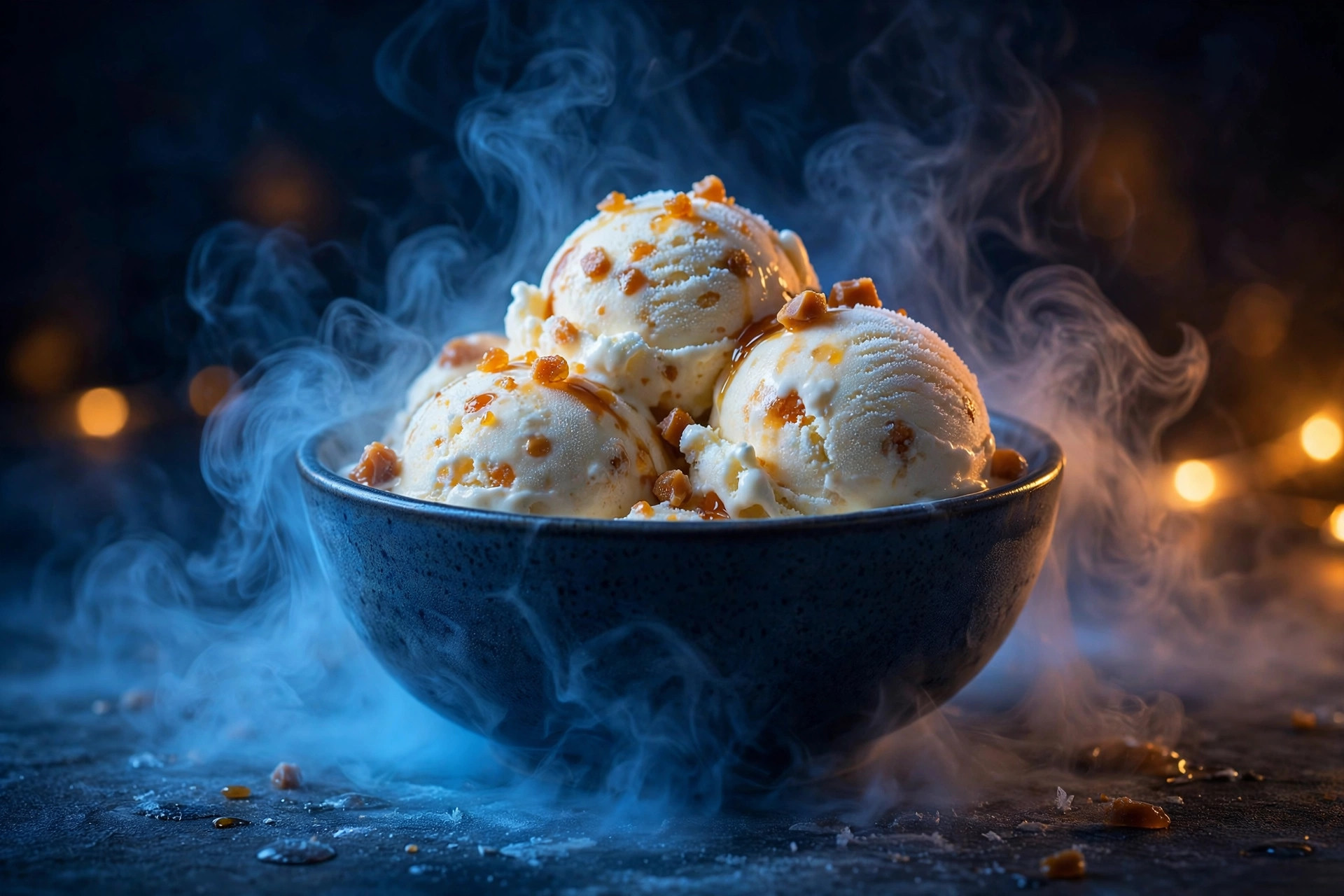
Why do we get brain freeze? When icy food chills the roof of your mouth, blood vessels there constrict and then dilate sharply, and the trigeminal nerve misreads the signal as pain in your forehead.
 Space
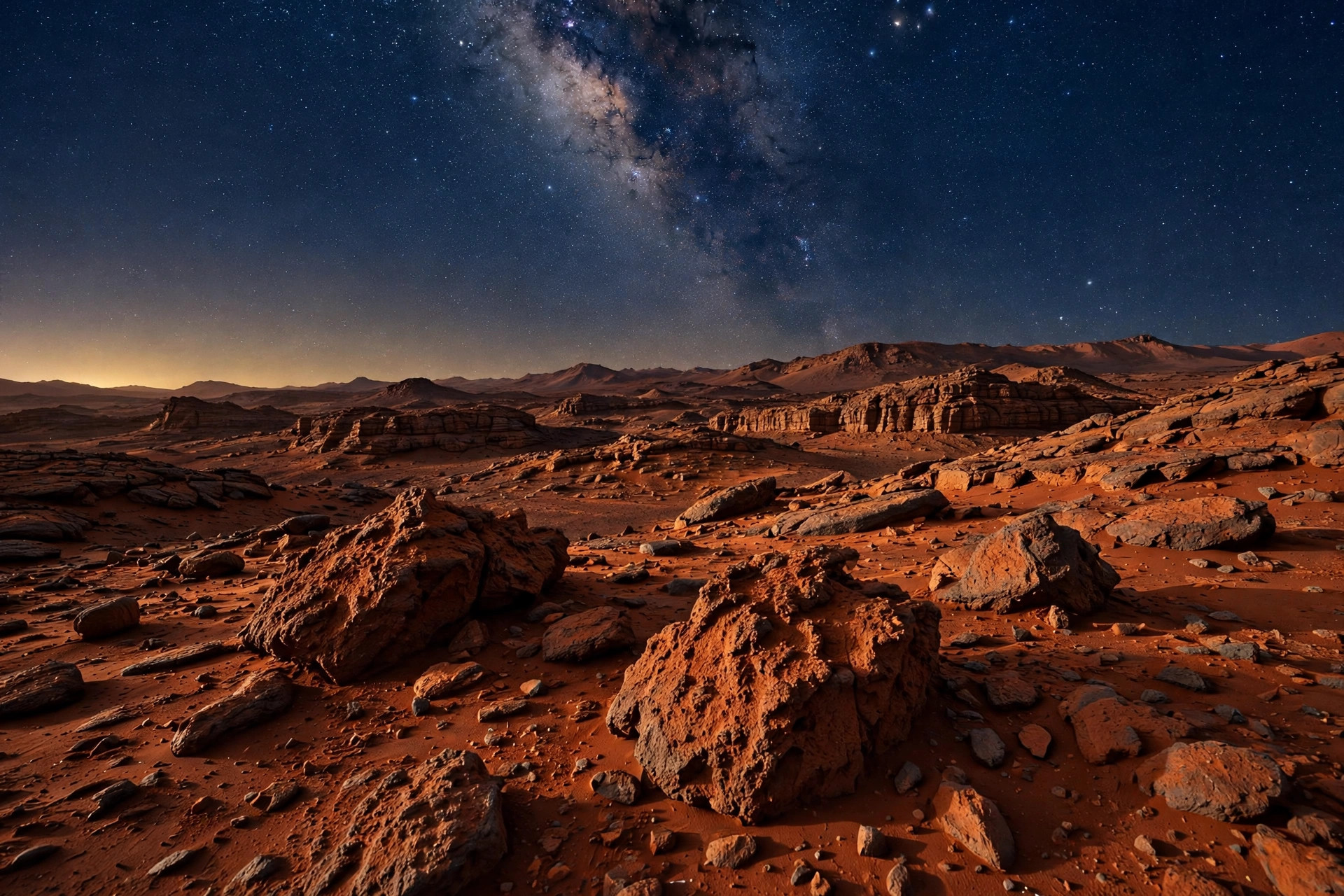
Why is Mars red? Iron in its rocks oxidised into rust, crumbled into fine dust and was blown across the whole planet — and a 2025 study suggests much of that rusting happened while Mars still had liquid water.
 Animals
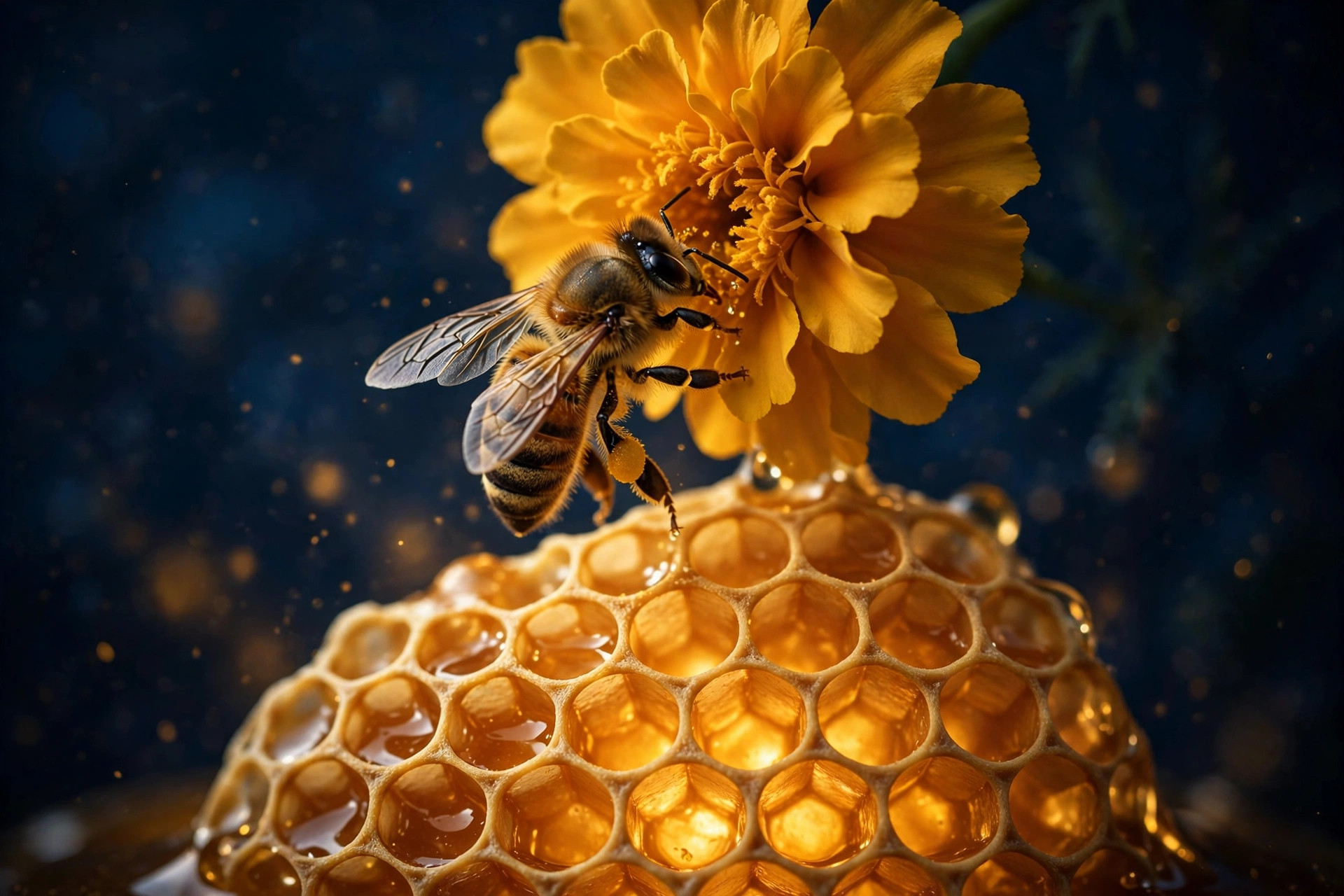
Bees make honey by collecting flower nectar, breaking down its sugars with enzymes, and fanning away most of its water until the thick golden result can be sealed in wax.
 History
We say "break a leg" because theatre folk believe wishing a performer "good luck" will jinx the show — so they wish the opposite instead, hoping fate returns the favour.
 Space
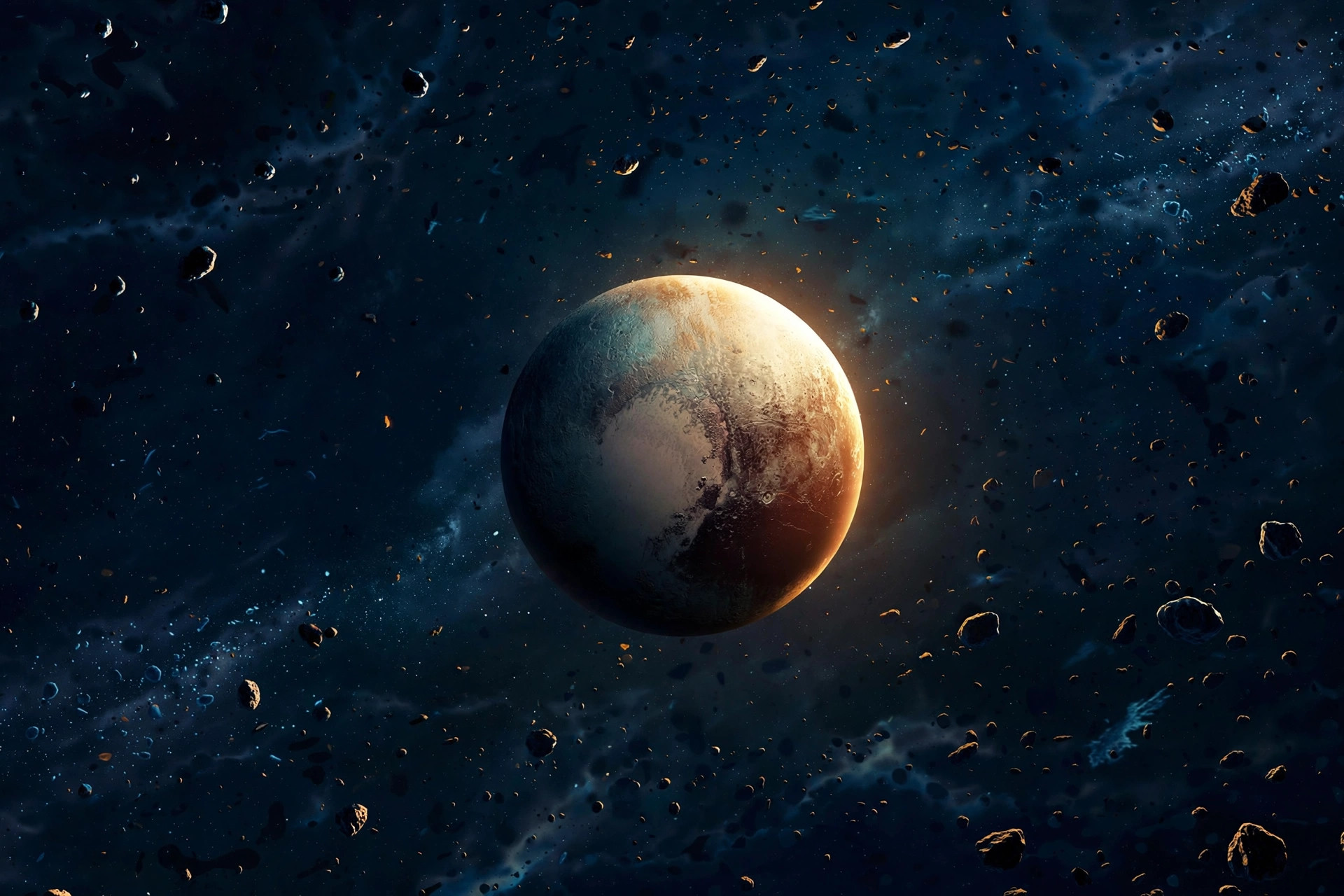
Pluto is not a planet because it fails one of the three rules astronomers set in 2006 — it has not cleared its neighbourhood of other icy bodies in the Kuiper Belt.
 Science
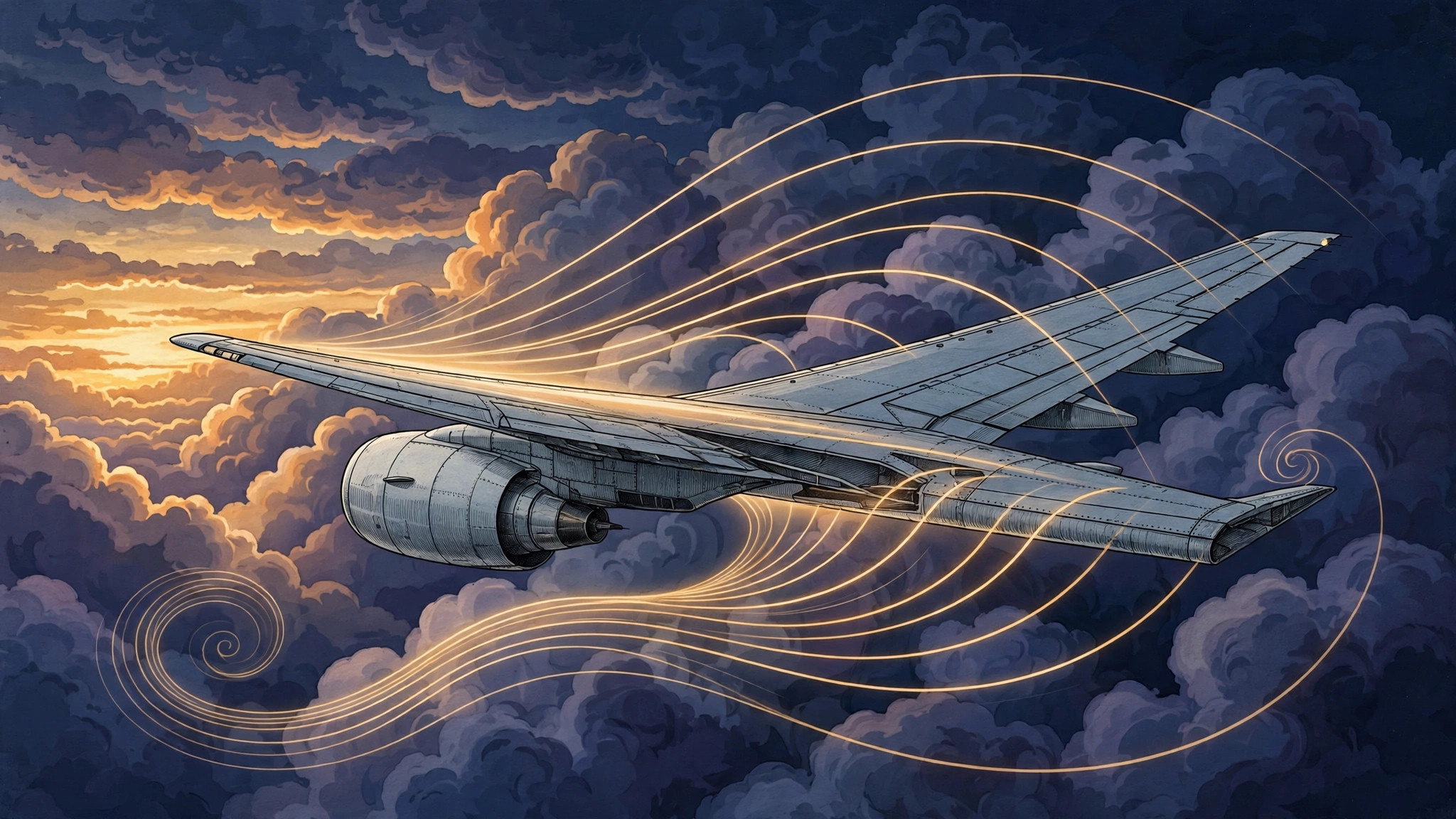
Airplanes fly because their wings push air downward — and the air pushes back up. That reaction force, plus lower pressure above the wing, is lift.
 Human Body
We dream mostly in REM sleep, when the brain replays the day's experiences, files memories into long-term storage and takes the sting out of difficult emotions.
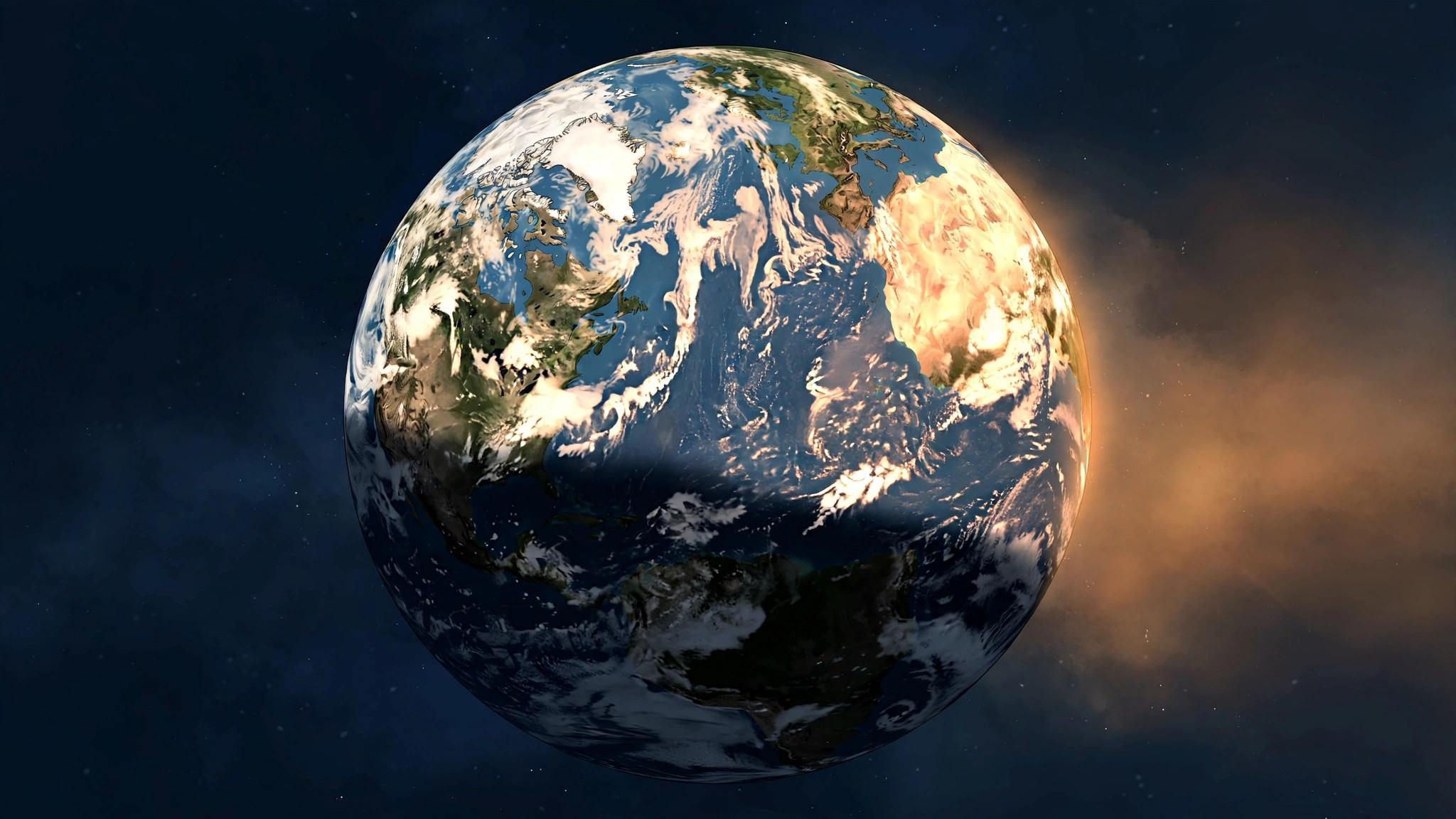 Science
We have seasons because Earth leans 23.5 degrees on its axis — so each hemisphere takes turns leaning toward the Sun and away from it as the year goes by.
 Animals
The three-second goldfish memory is one of the most repeated animal myths — and it is wrong. Goldfish can remember for weeks or months.
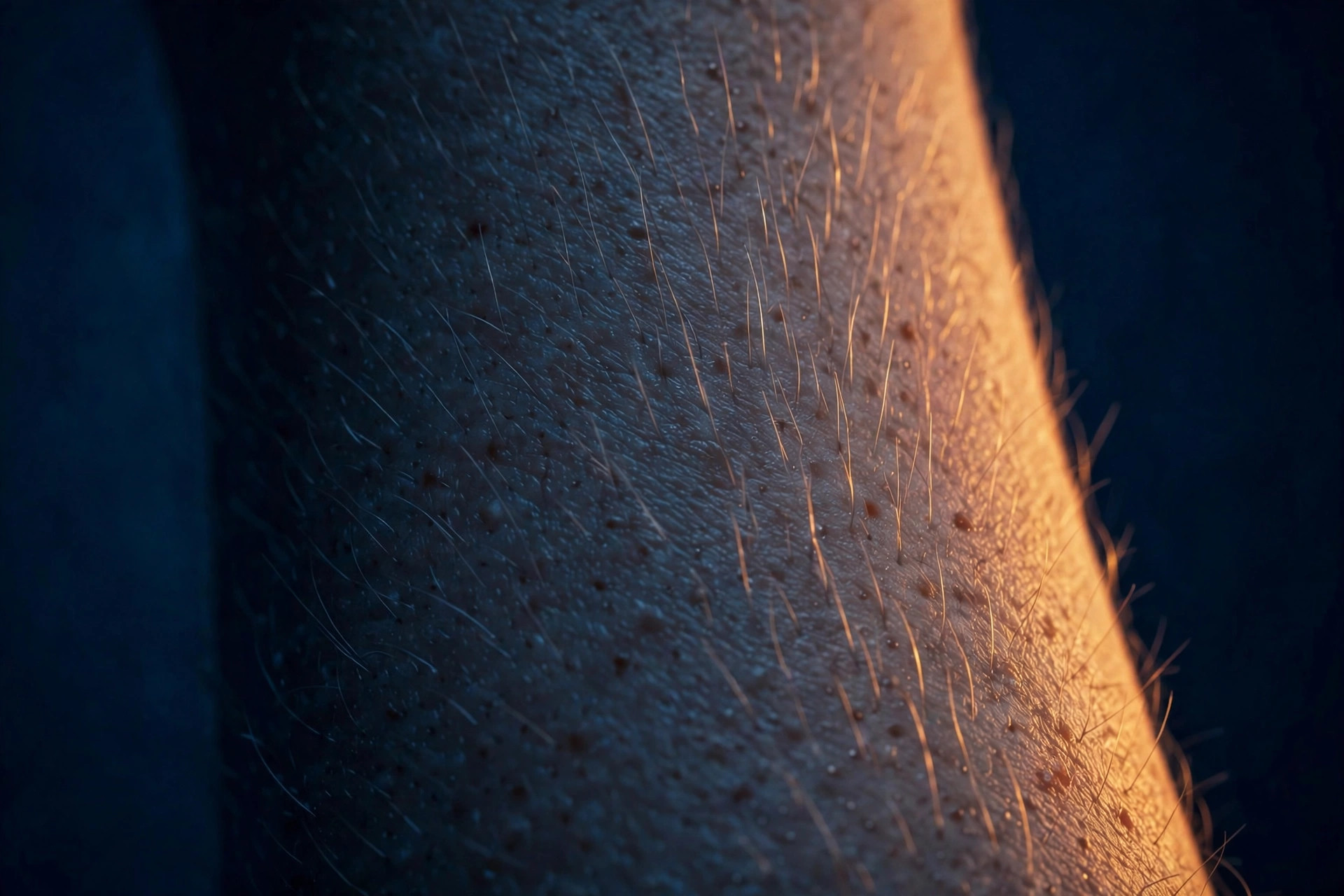 Human Body
Goosebumps are a leftover from our furry ancestors — tiny muscles raising hairs that no longer keep us warm, fired by the same system as fight or flight.
 Science
A year is not really 365 days. Earth needs about a quarter of a day extra to orbit the Sun — and leap years are how the calendar catches up.
 History
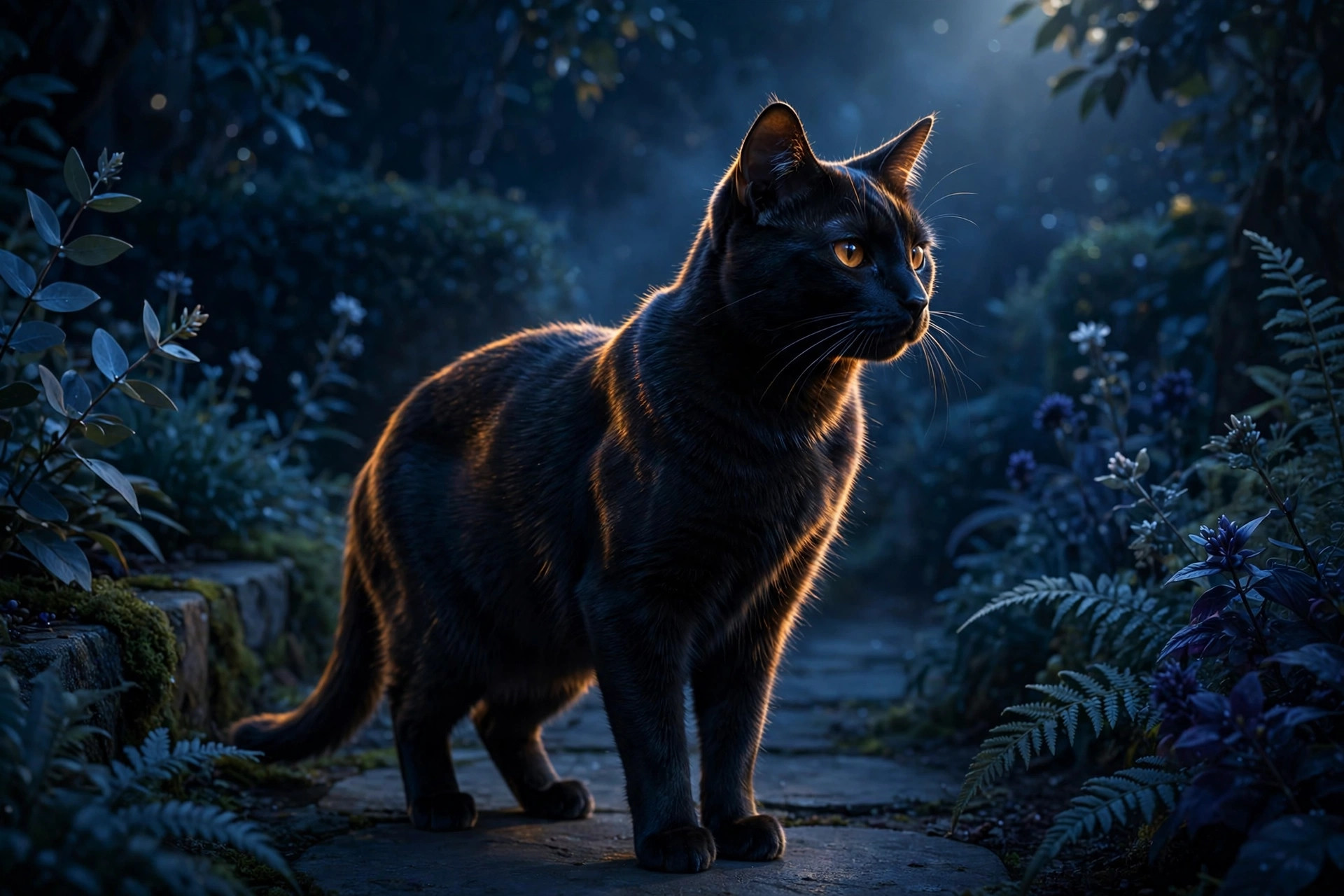
A black cat crossing your path is one of the oldest bad-luck warnings in the West — yet the fear is not ancient, universal, or based on anything the cat does.
 Animals
A wagging tail does not always mean a happy dog. It is a social signal, and the speed, height and direction of the wag all change what the dog is saying.
 History
I have never been ill — touch wood.' The gesture feels ancient, but the documented evidence for knocking on wood goes back only to the 1800s.
 History
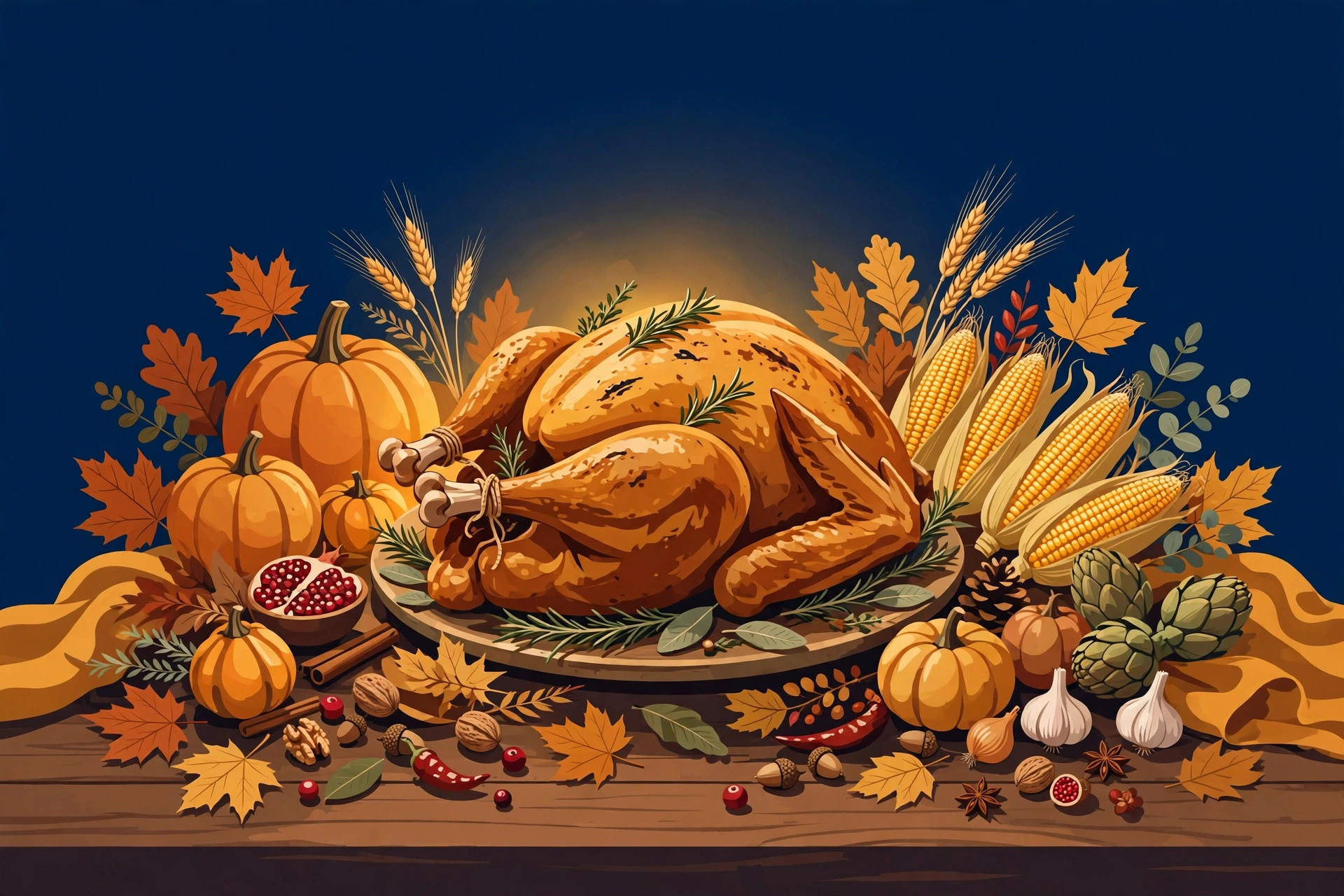
The turkey was almost certainly not the star of the first Thanksgiving — it won the table later, by being big, cheap and unmistakably American.
 History
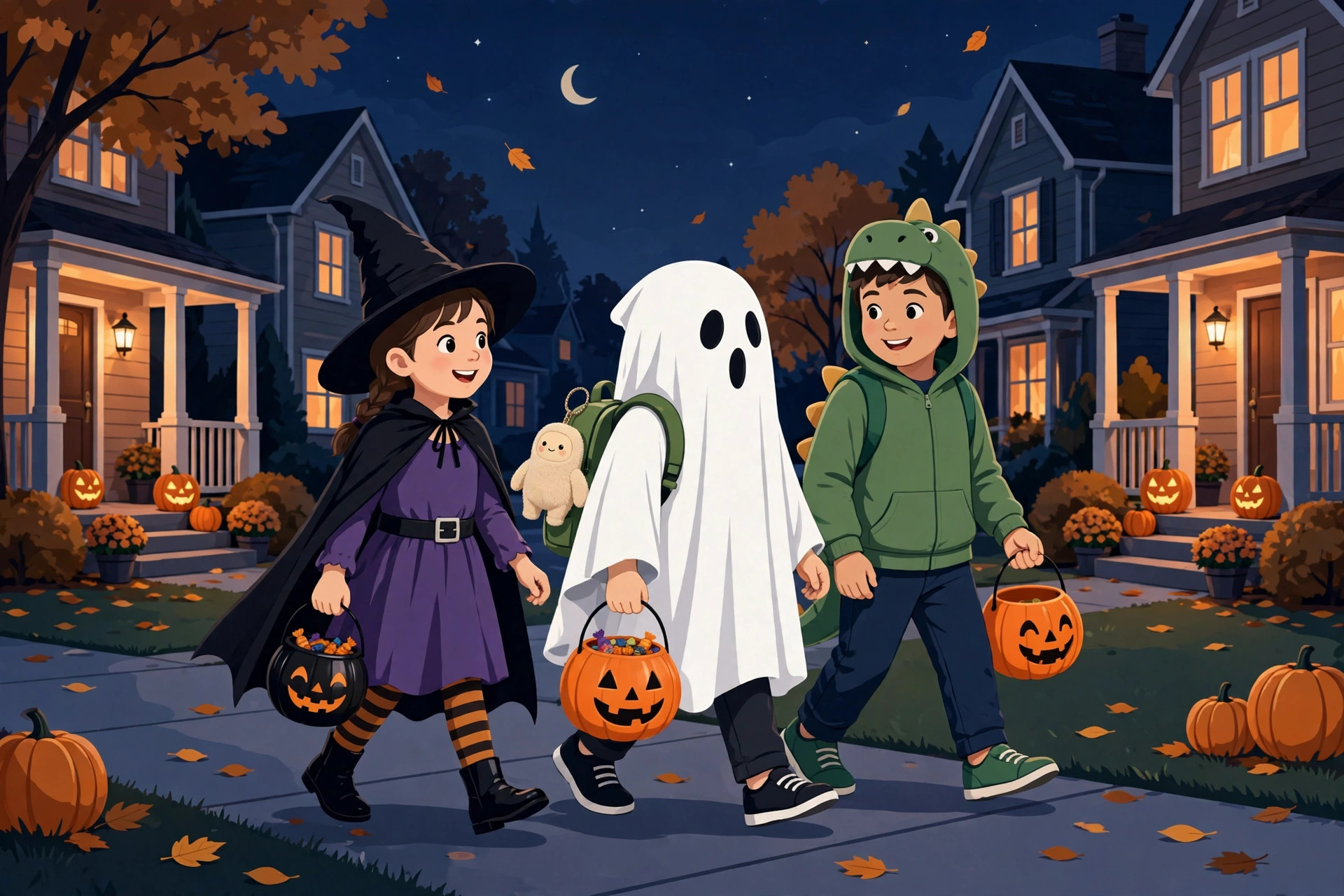
The words "trick or treat" are barely a century old — but the door-to-door bargain behind them stretches back to Celtic Samhain and medieval souling.
 Science
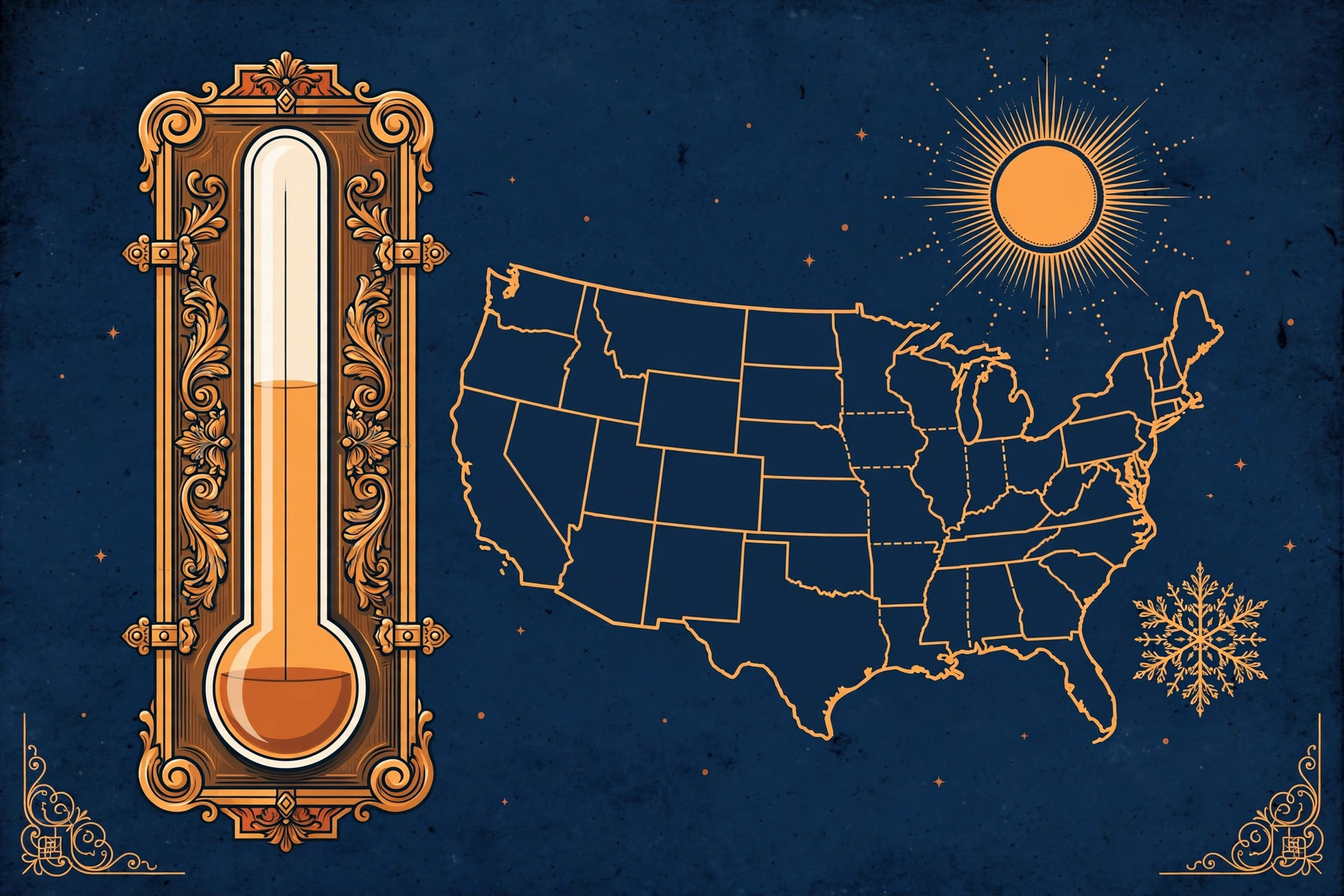
The US did not reject Celsius — it simply arrived first. Fahrenheit was already the standard before Celsius existed, and switching a whole country costs more than it saves.
 Science
Sharks have been swimming for roughly 450 million years — they predate the first tree by about 65 million years, roughly the span from the dinosaurs to today.
 Animals
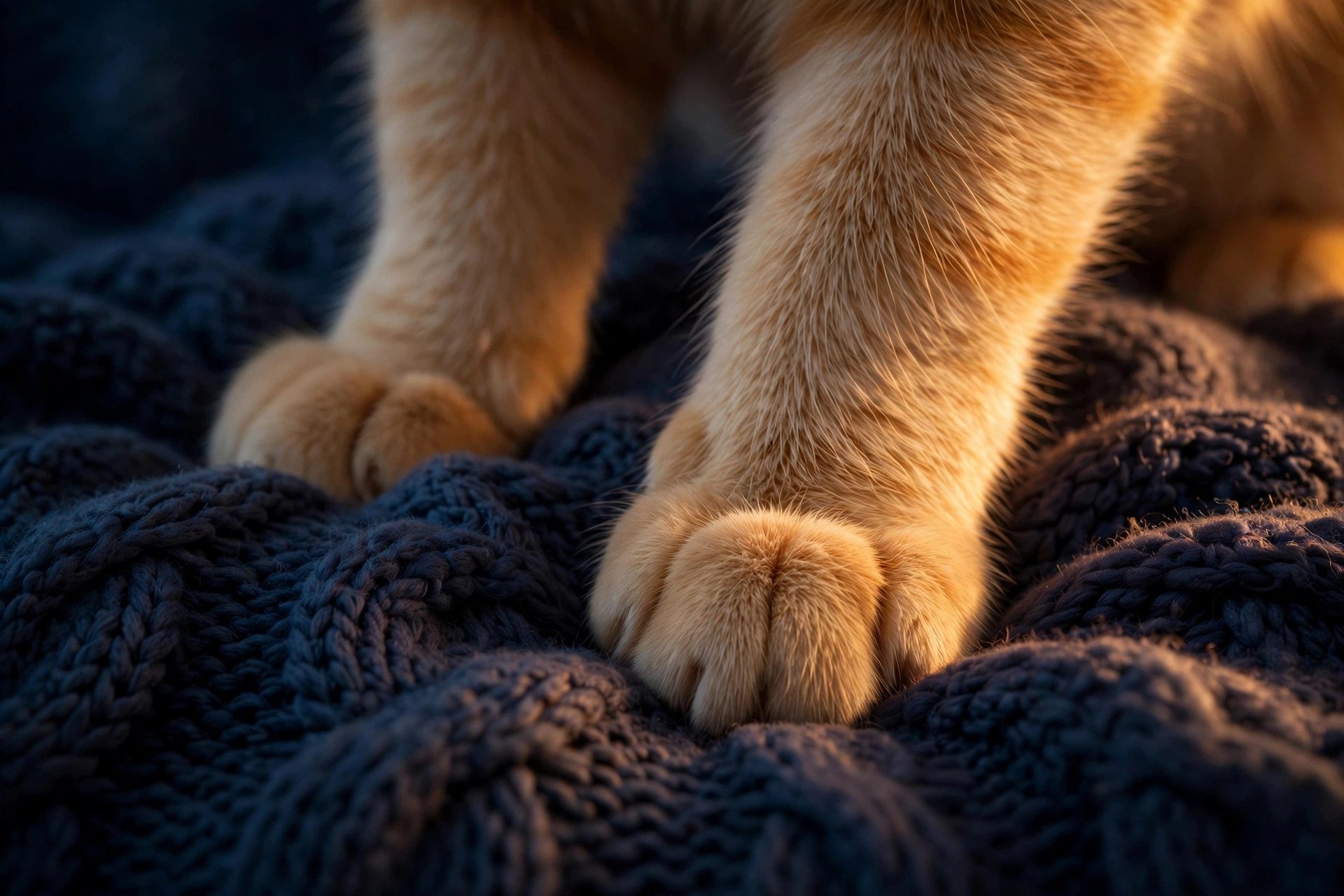
It looks like a tiny baker at work — but your cat's "making biscuits" routine is one of the oldest emotional habits in its life.
 History
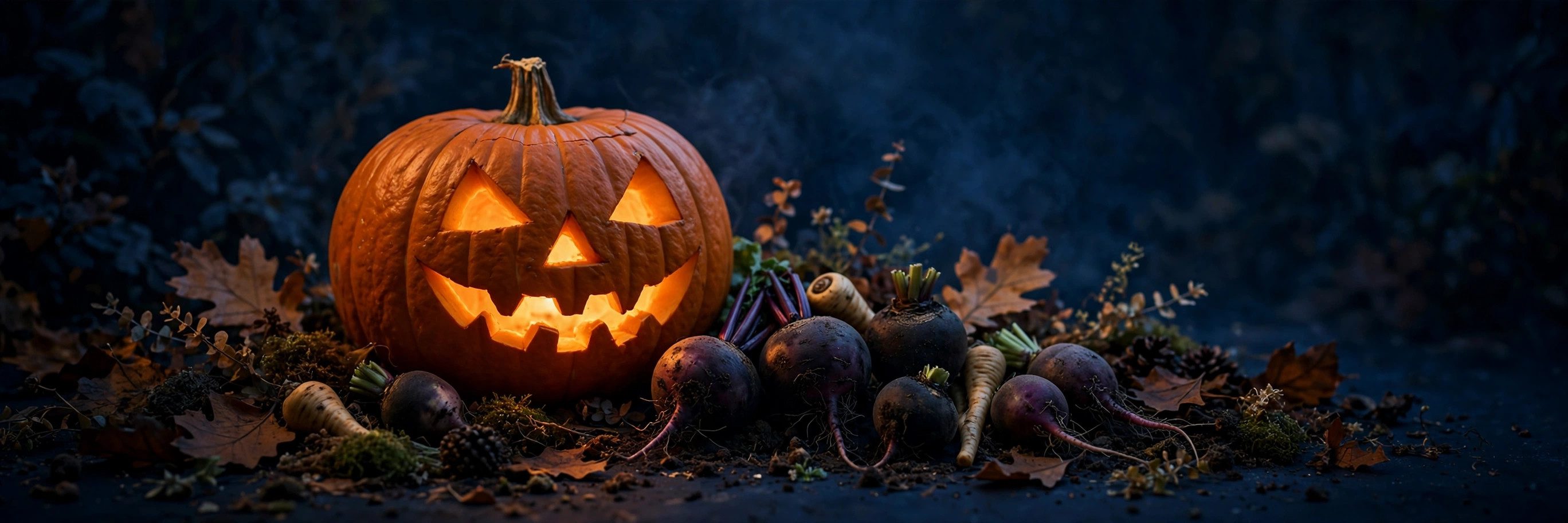
The glowing pumpkin on your porch started life as a carved turnip on an Irish windowsill — with a legend of a trickster and the Devil behind it.
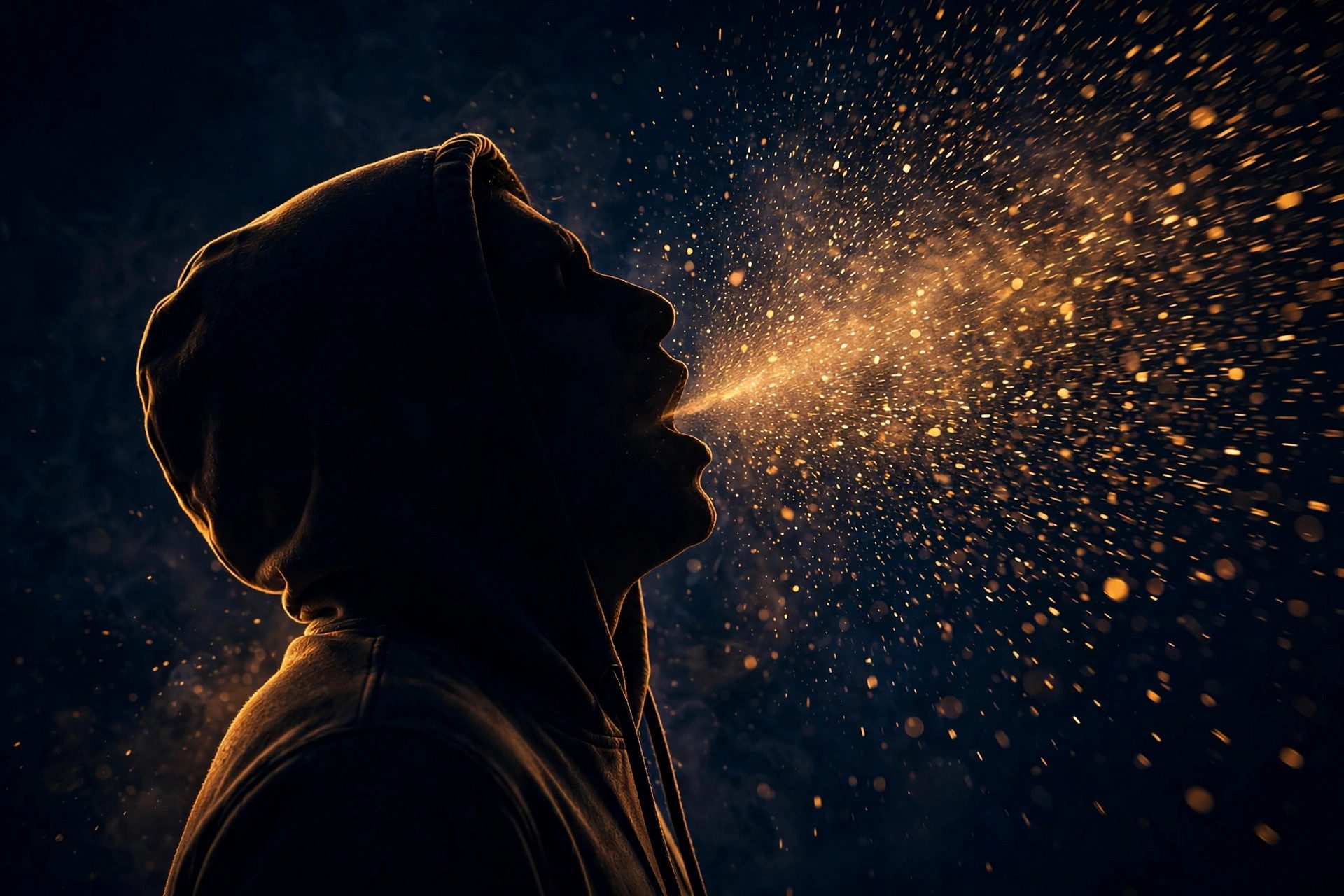 Human Body
A sneeze explodes out at highway speed — and for two thousand years, humans have felt the need to bless the sneezer. Here's why.
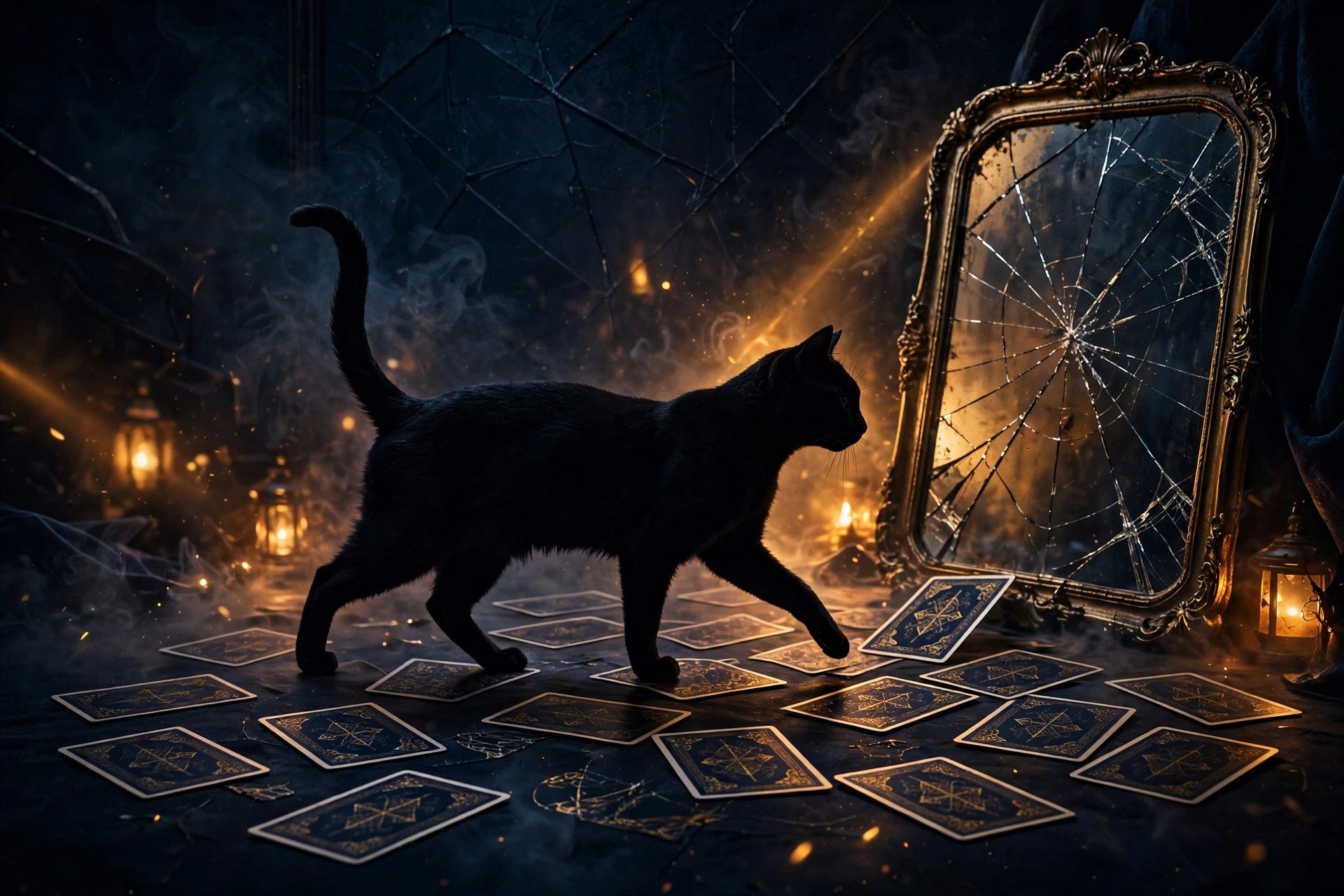 History
Two of Western culture's oldest fears — the number 13 and the day Friday — fused into one ominous date. But does the history actually check out?
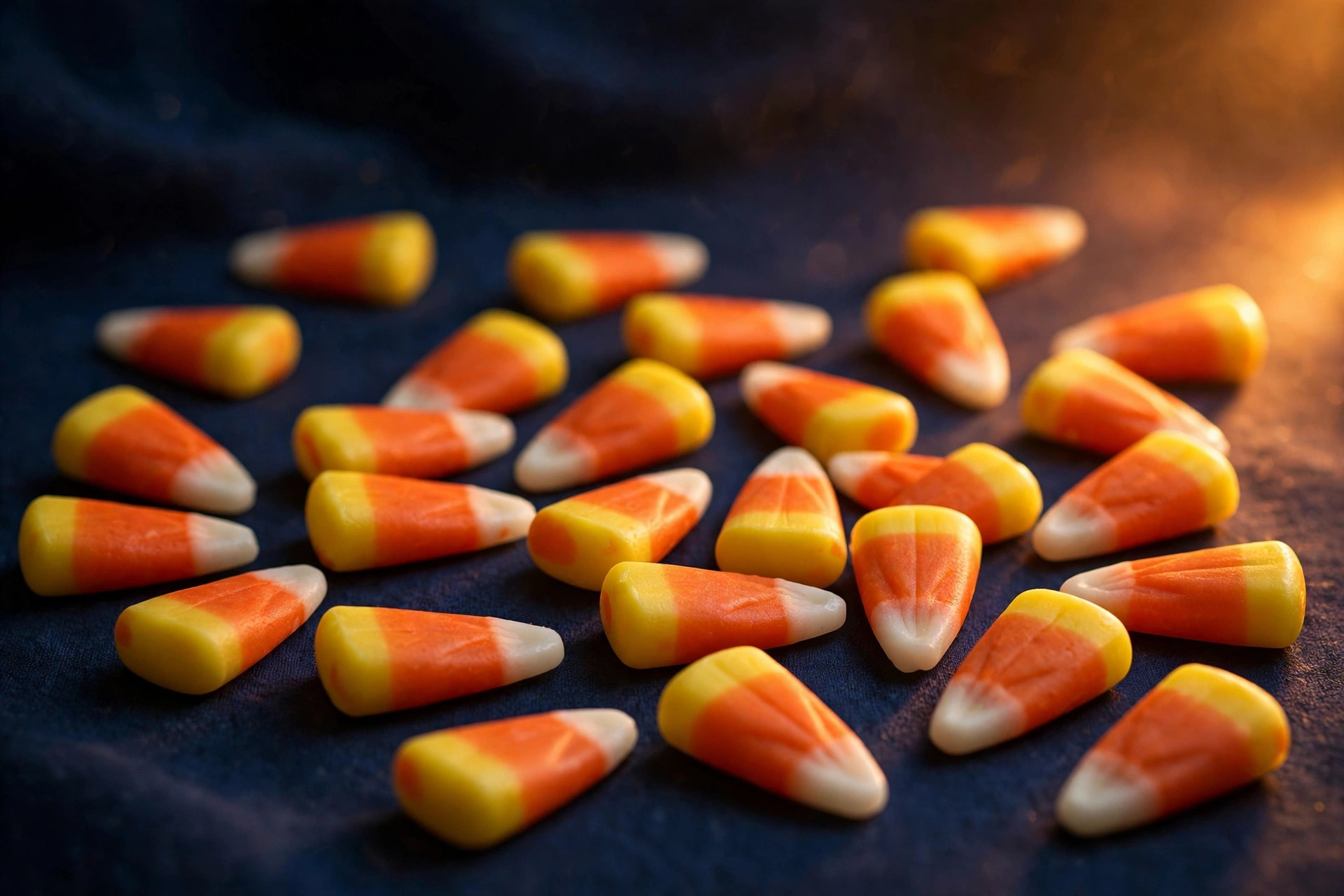 Food
America's most divisive Halloween sweet started life with a very unappetising name — and the joke was the whole point.
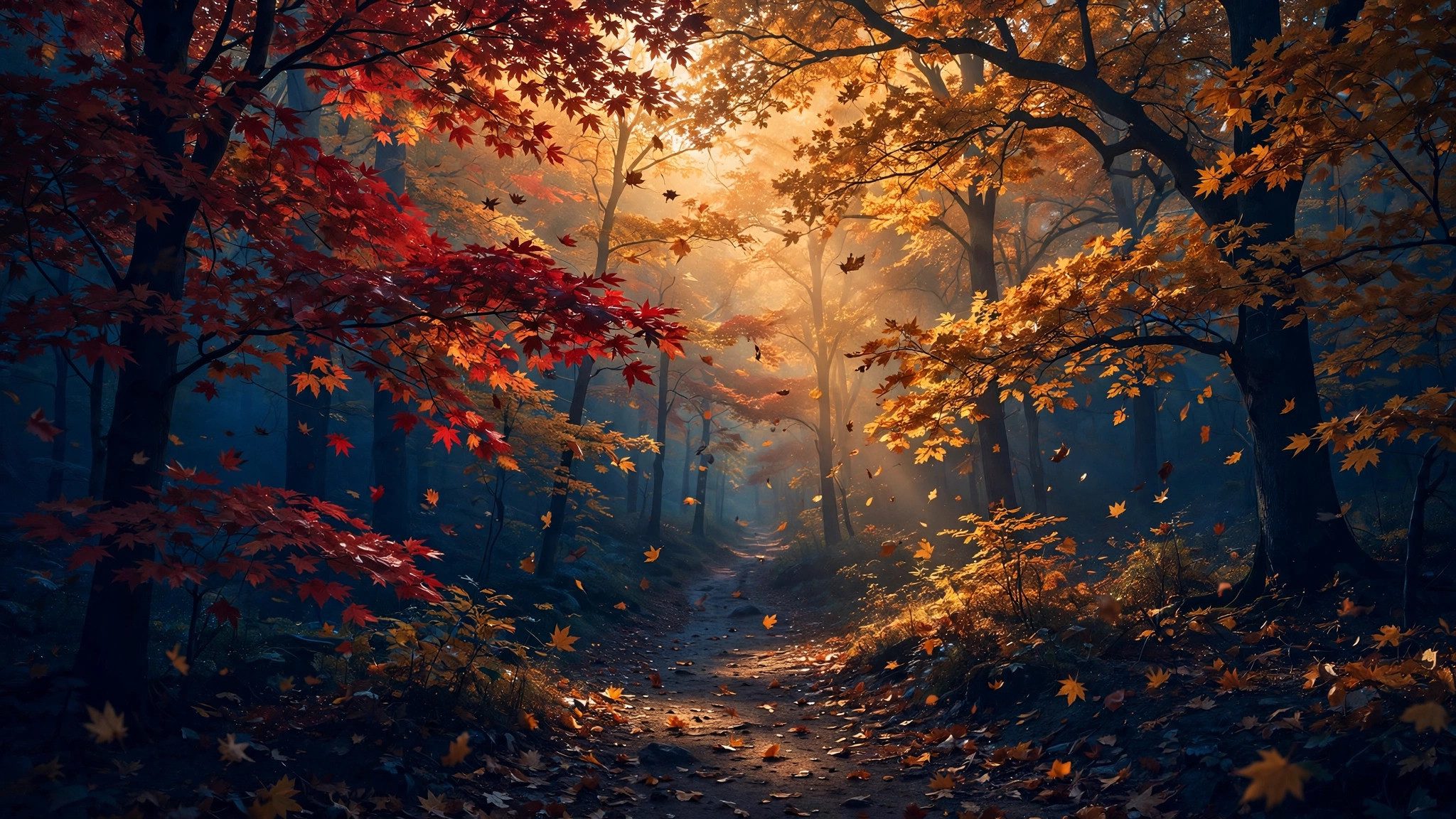 Science
The reds and golds of autumn were hiding in the leaf all summer. Fall colour is mostly an unveiling, as green chlorophyll fades — plus one pigment trees only make once autumn arrives.
 Animals
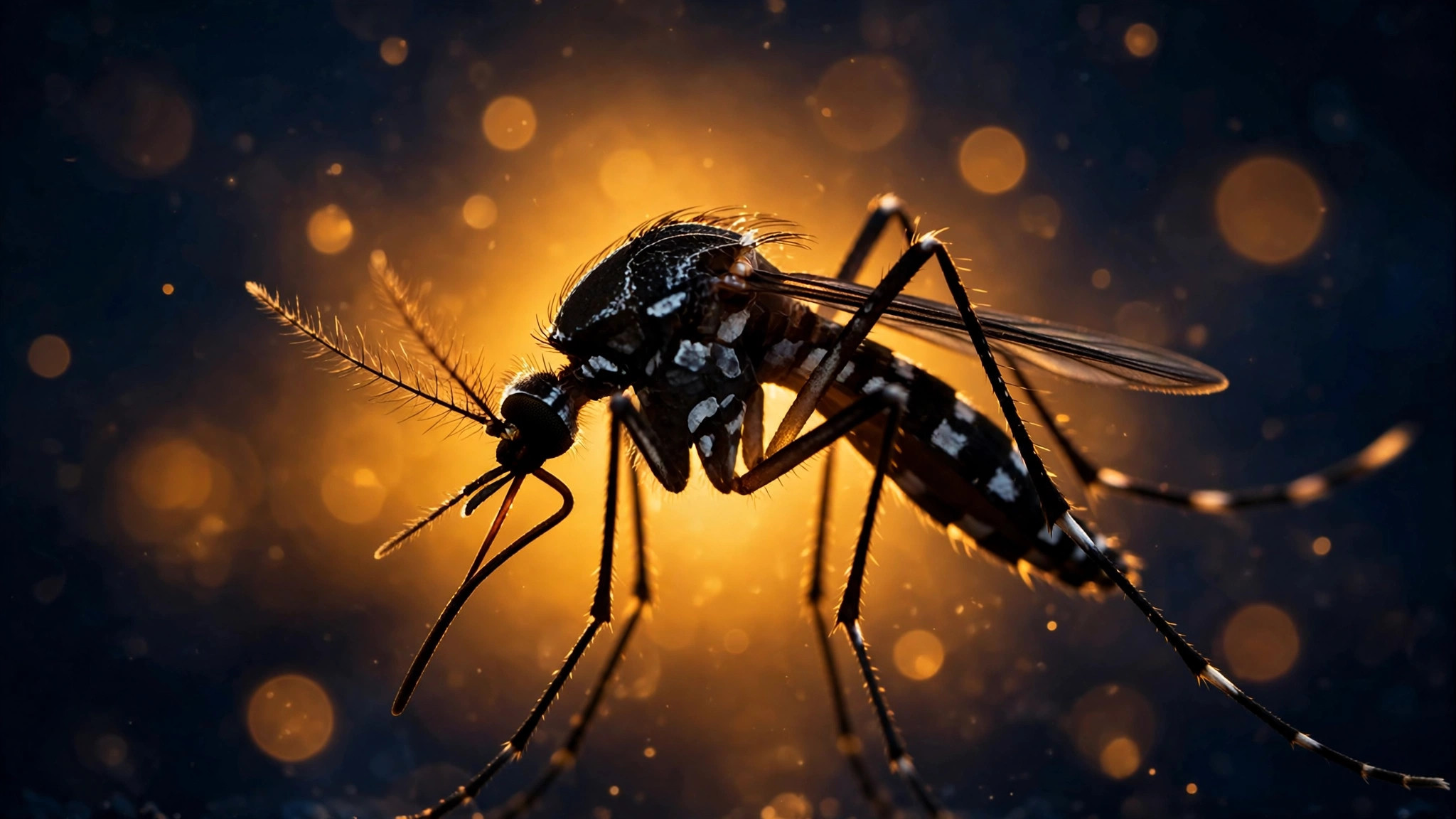
Mosquito magnets are real, and it has almost nothing to do with sweet blood. Your skin's chemistry — largely set by genetics and skin bacteria — decides how delicious you smell to a mosquito.
 Human Body
You will probably yawn while reading this. Scientists still debate why we yawn at all, but the strongest evidence points to cooling the brain — and contagious yawning turns out to be a brain reflex, not rudeness.
 Animals
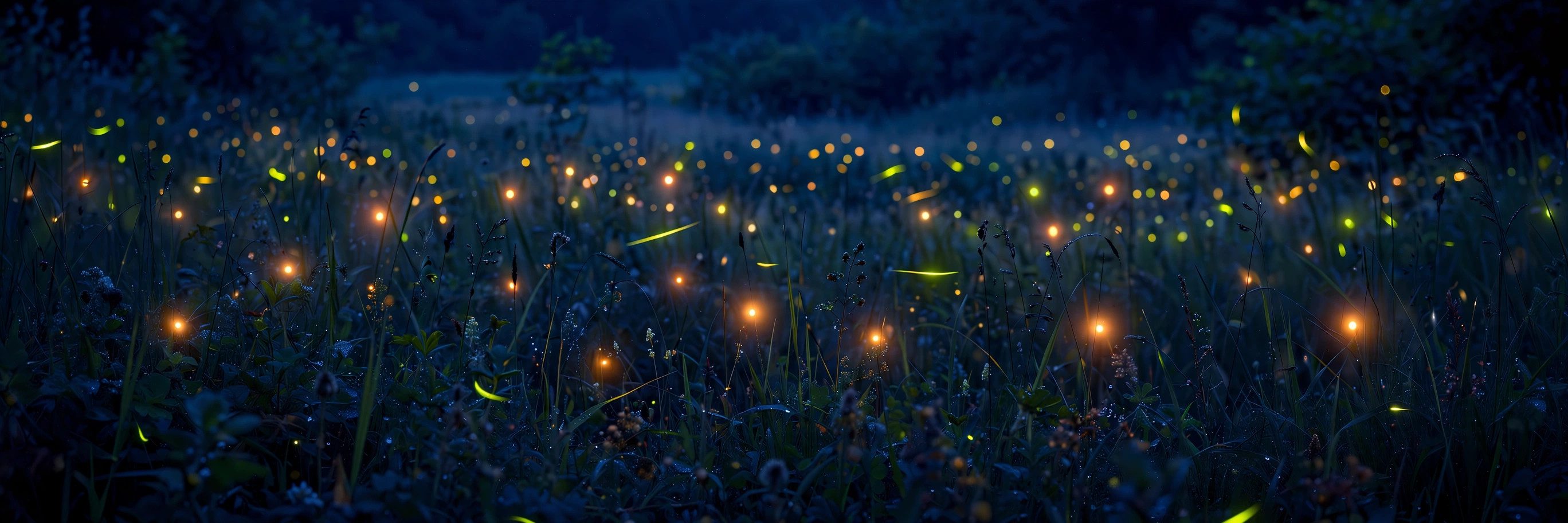
A firefly makes light without a filament, a battery or any real heat. Its glow is pure chemistry, switched on and off by controlling a single ingredient: oxygen.
 Science
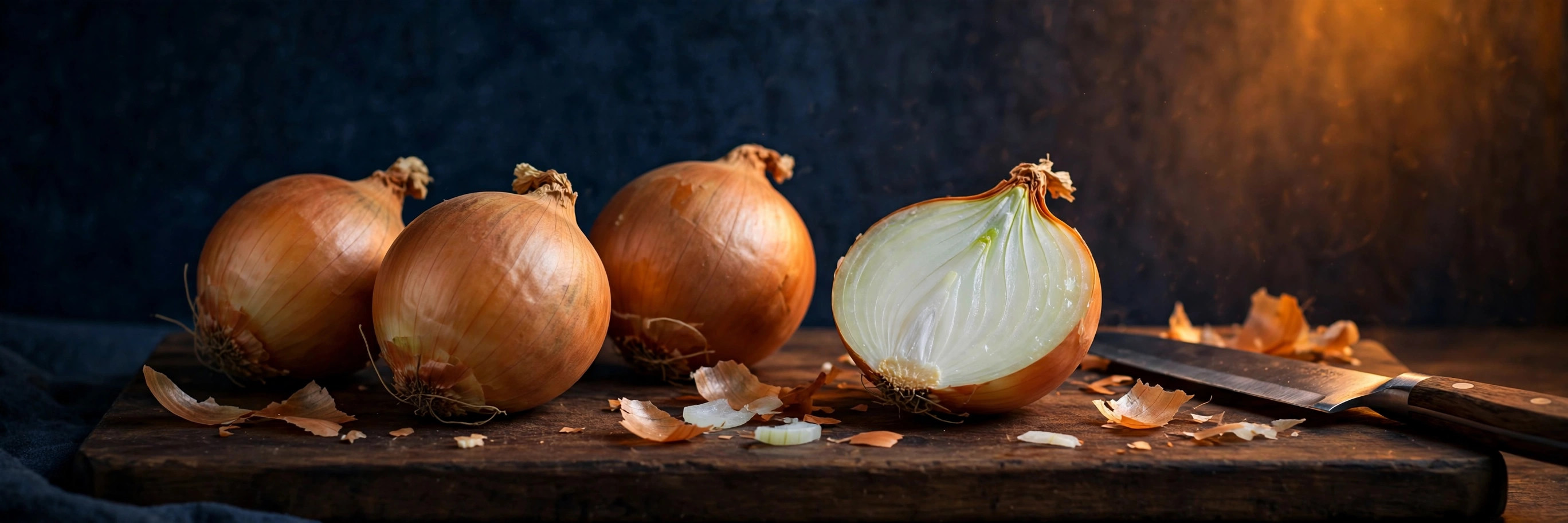
An intact onion is harmless. Slice it, and within seconds your eyes sting and water. That reaction is a defence system — the onion's, not yours.
 Science
Sunlight looks white, yet the sky overhead is blue. The colour is not in the light itself — it is in what the air does to that light on its way to your eyes.
 Space
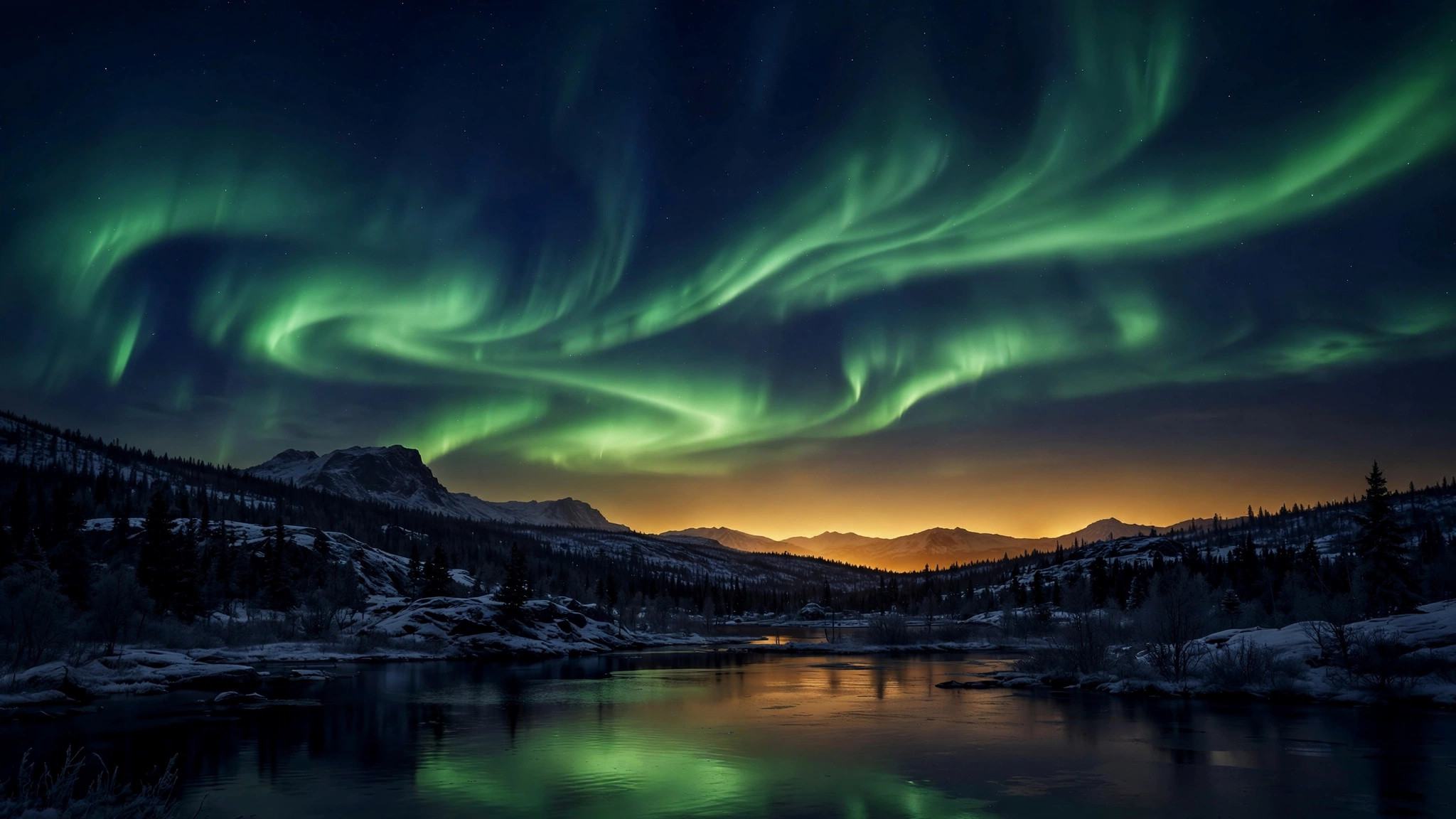
The northern lights start on the Sun, 150 million kilometres away. Here is the journey those particles take before the sky turns green.
 Animals
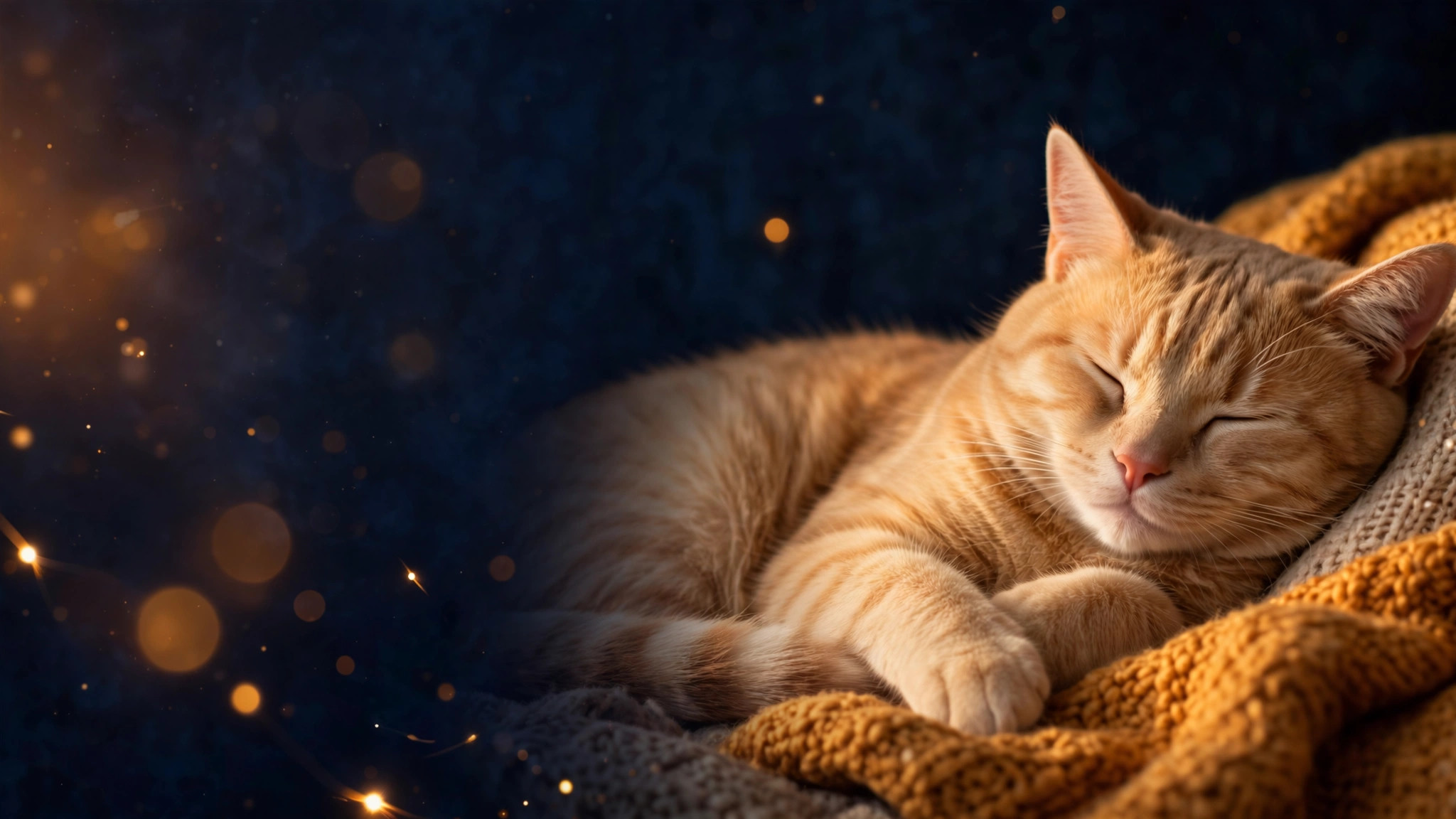
Cats purr when they are content, but also when they are frightened or hurt. That double life is the clue to what the purr is really for.
 Science
Every river tastes fresh, yet every ocean tastes salty. The difference is time — and the fact that the sea has nowhere for its salt to go.
 Animals
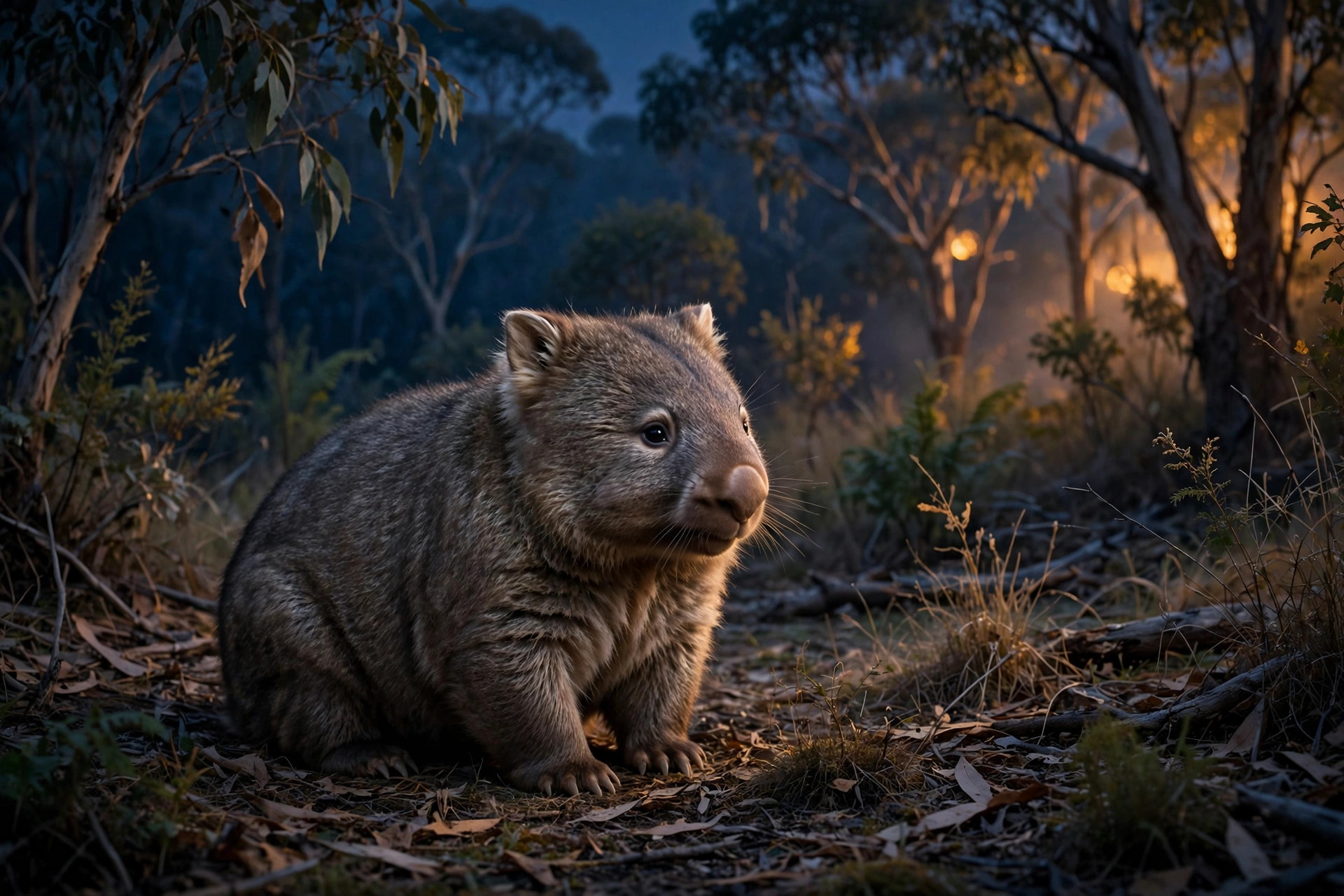
The wombat is the only animal on Earth known to produce cube-shaped droppings — and scientists finally figured out how.
 Space
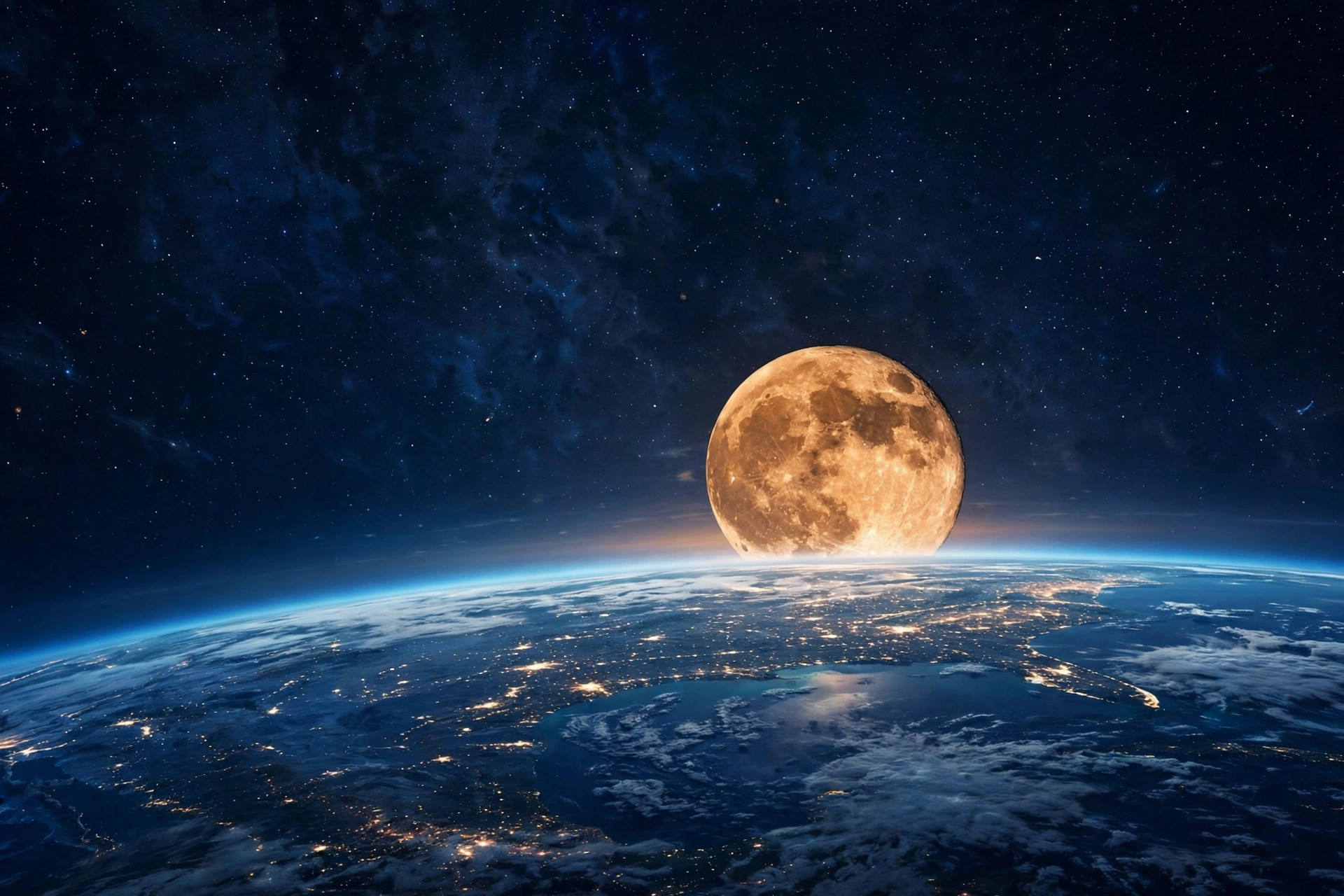
The Moon drifts about 3.8 centimetres further from Earth every year. Apollo-era mirrors let scientists measure it to the millimetre.
 History
Teaching at Oxford began by 1096. The Aztec capital wasn't founded until 1325 — Oxford is older than the Aztec Empire by centuries.
 Human Body
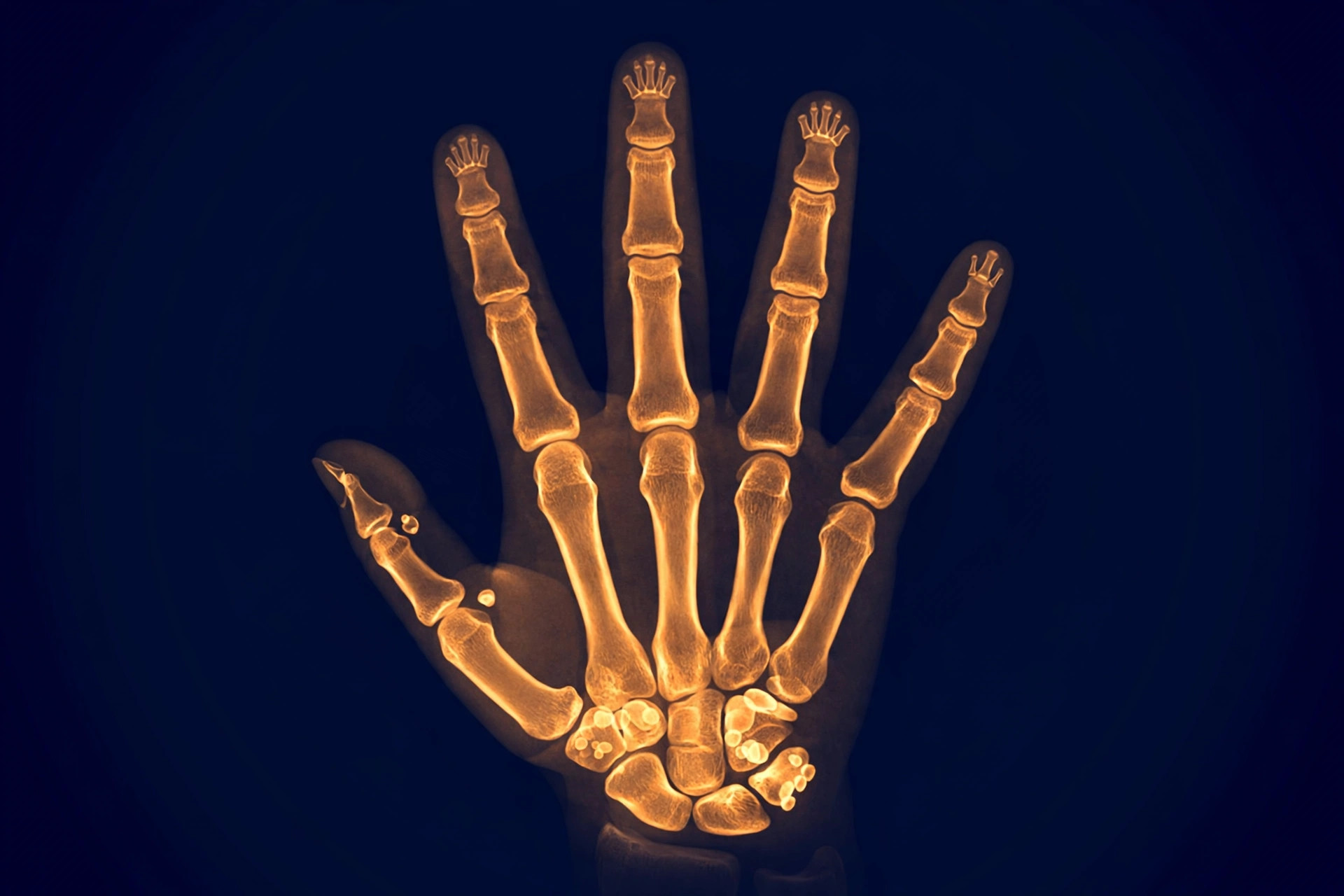
Babies are born with around 300 bones; adults have just 206. As you grow, many bones fuse together — here's the full story.
 Animals
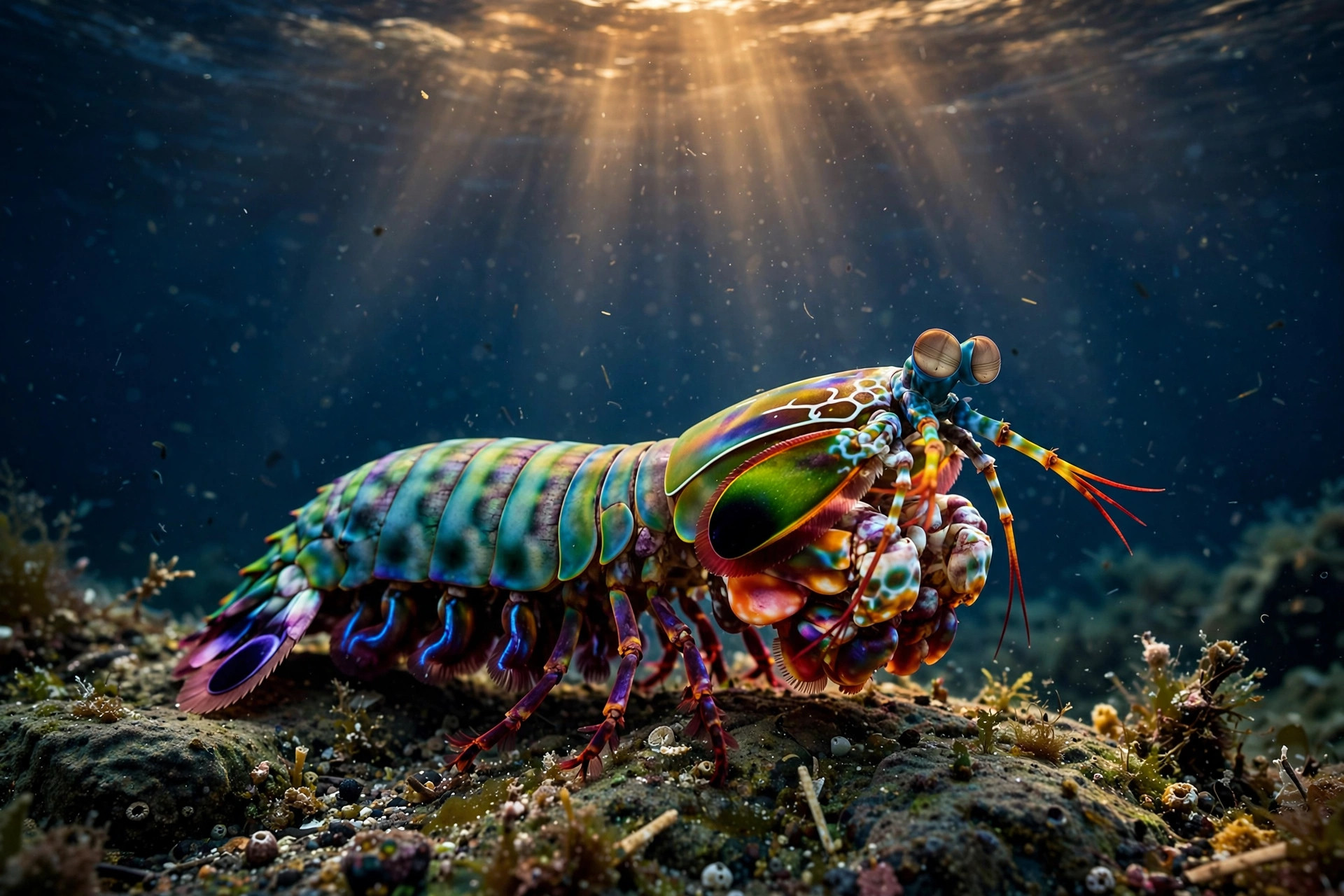
Mantis shrimp perceive up to 16 colour channels to our 3 — plus ultraviolet and polarised light. The most complex vision system known.
 Science
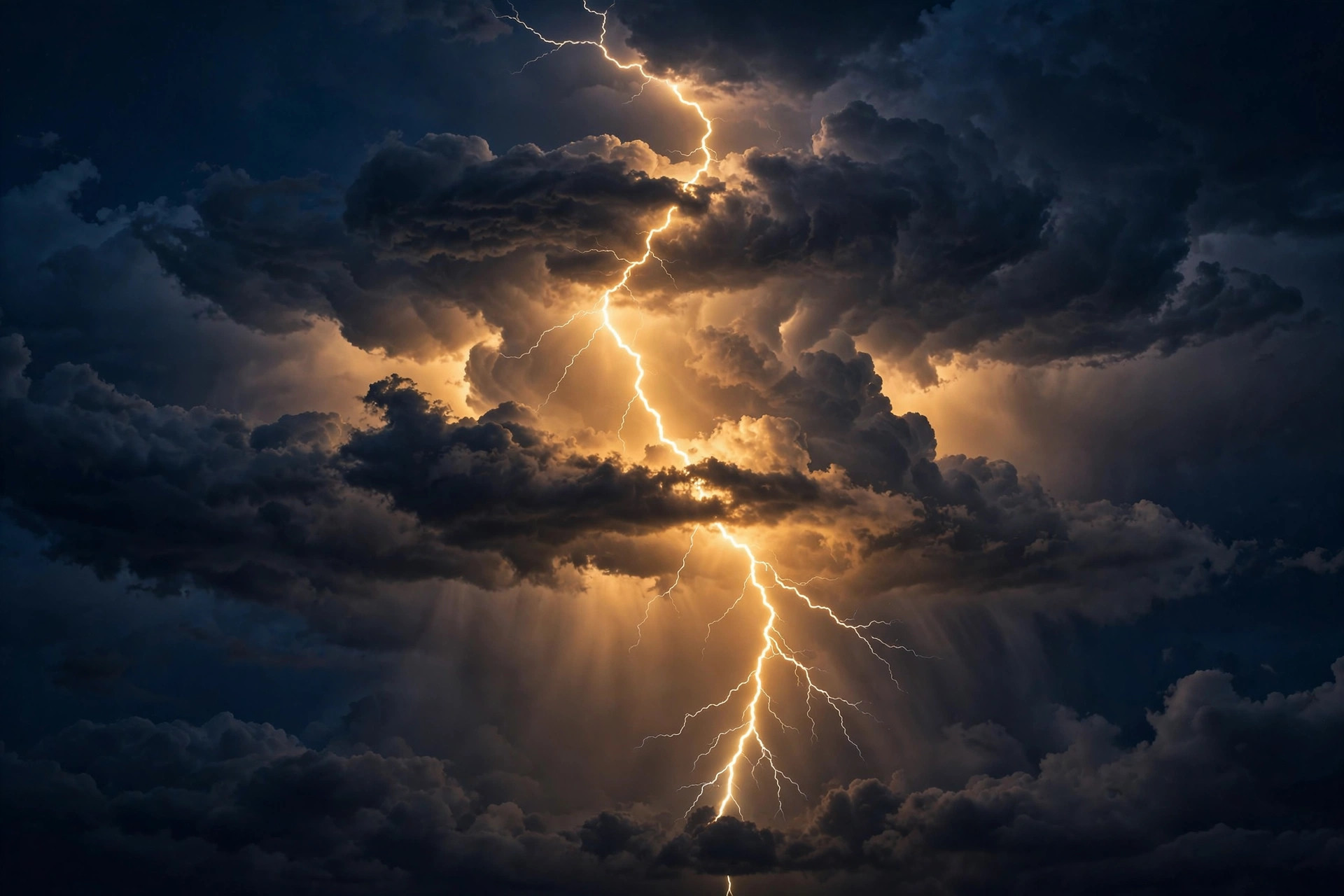
A lightning strike reaches around 30,000 Kelvin — roughly five times hotter than the surface of the Sun. It lasts only a split second.
 History
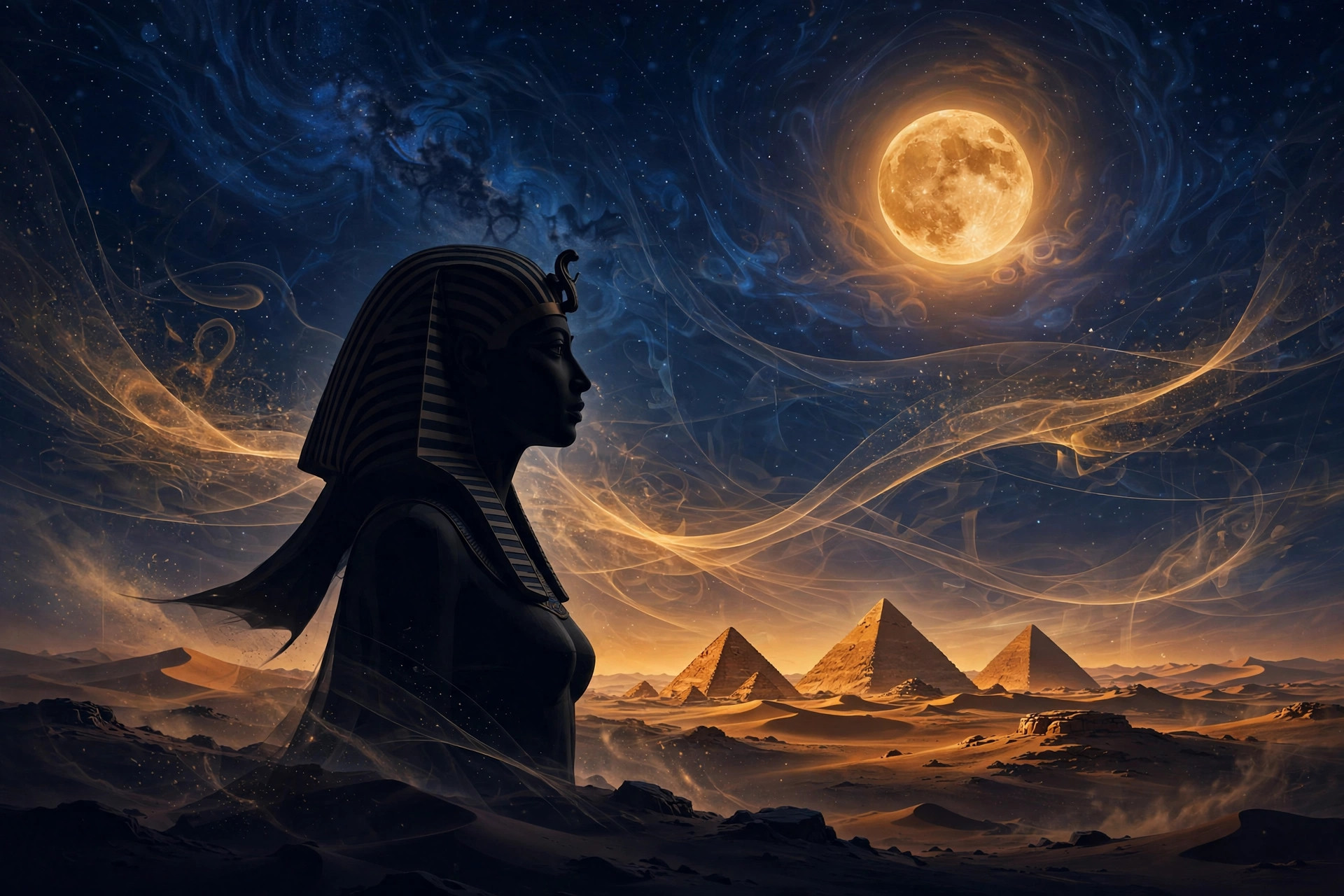
Cleopatra lived nearer in time to the iPhone than to the construction of the Great Pyramid. Ancient history is younger than you think.
 Science
There are around 10^120 possible chess games — more than the estimated 10^80 atoms in the observable universe. No two games need ever repeat.
 Space
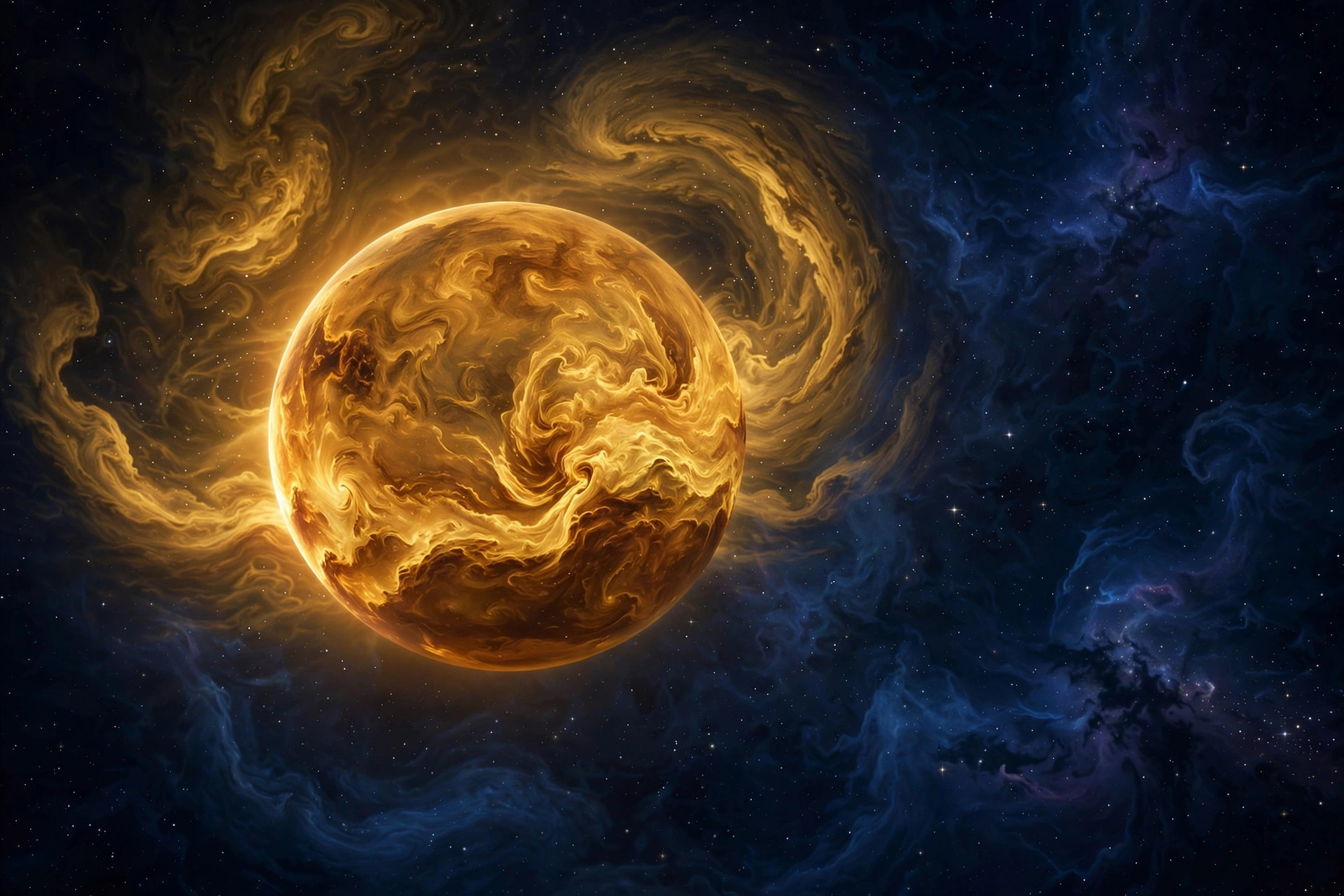
Venus spins so slowly that one day there (243 Earth days) lasts longer than its entire year (225 Earth days).
 Science
The Eiffel Tower grows about 15 centimetres taller on hot summer days and shrinks back in winter — pure thermal expansion physics.