Why Do We Eat Turkey on Thanksgiving? It Was Not the Pilgrims' Idea
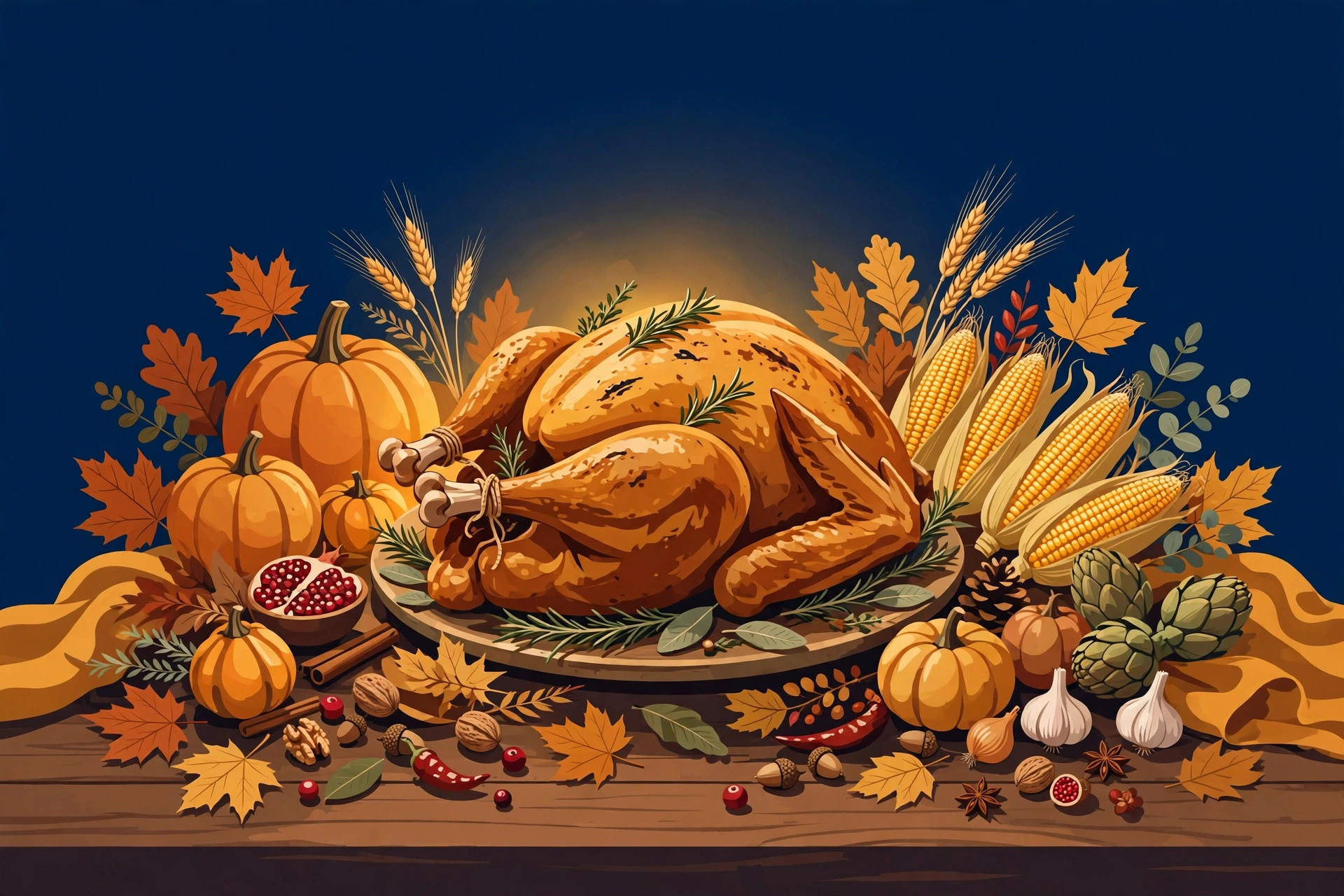
The turkey was almost certainly not the star of the first Thanksgiving — it won the table later, by being big, cheap and unmistakably American.
Why do we eat turkey on Thanksgiving? Not because the Pilgrims did. There is no record of turkey at the 1621 harvest feast in Plymouth — yet today roughly 9 in 10 Americans eat turkey on Thanksgiving Day. The bird earned its place through a long, practical and surprisingly literary route.
Why do we eat turkey on Thanksgiving: the first feast
The famous 1621 meal shared by Plymouth colonists and Wampanoag guests is documented only in two brief accounts. Colonist Edward Winslow wrote that the settlers killed "as much fowl" as served the company for almost a week, and the Wampanoag brought deer. Governor William Bradford separately mentioned a "great store of wild Turkies" that autumn — but historians think the fowl on the table was more likely duck or goose, with seafood such as oysters also probable. Turkey may have been there, but nobody wrote it down.
Why turkey won: big, cheap and American
As Thanksgiving grew from a regional New England custom into a national celebration, turkey beat its rivals on practicality. English settlers were used to roast fowl on feast days, but chickens were worth more alive for their eggs, and rooster meat was tough. Turkeys, by contrast, were native to North America, easy to keep, cheaper than ducks or geese, and — crucially — big enough to feed a whole family from a single bird. Alexander Hamilton is even said to have remarked that "no citizen of the United States shall refrain from turkey on Thanksgiving Day."
The writers who made turkey the tradition
Two writers did more than anyone to fix turkey at the head of the table. In her 1827 novel Northwood, Sarah Josepha Hale devoted an entire chapter to a New England Thanksgiving with a roasted turkey "placed at the head of the table" — and she then campaigned for decades to make Thanksgiving a national holiday, succeeding when Abraham Lincoln proclaimed it in 1863. Around the same time, Charles Dickens's A Christmas Carol (1843) helped cement turkey as the great Anglo-American holiday bird. Once the holiday was official, the schoolbook story of Pilgrims and turkeys fused into a single national myth.
So the Thanksgiving turkey is not really a relic of 1621. It is a 19th-century tradition dressed in Pilgrim clothes — a bird chosen because it was big enough for the feast, cheap enough for everyone, and American enough to become a symbol.
For more autumn history, read why we carve pumpkins on Halloween and why leaves change colour in autumn.
More mind-blowing facts
 History
What Was the First Speeding Ticket? 8 mph in 1896
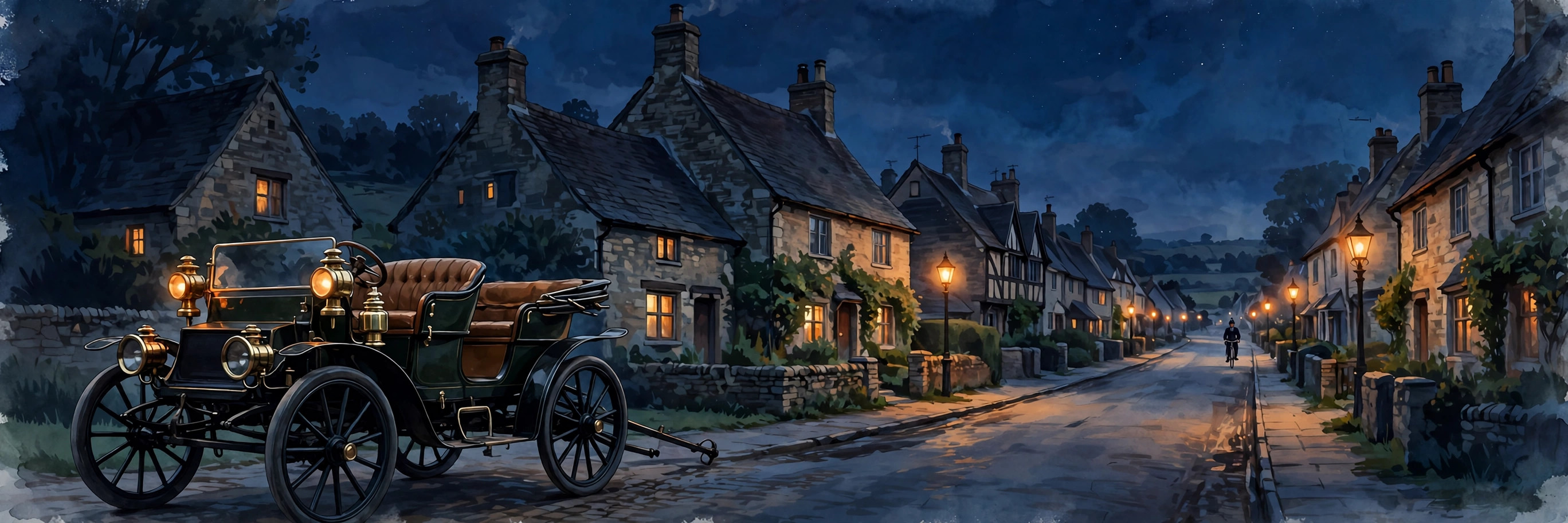
The first speeding ticket in history was issued for driving at 8 mph — four times the legal limit of 2 mph — and the officer who caught the driver was on a bicycle.
 History
Why Did Einstein Turn Down the Presidency of Israel?
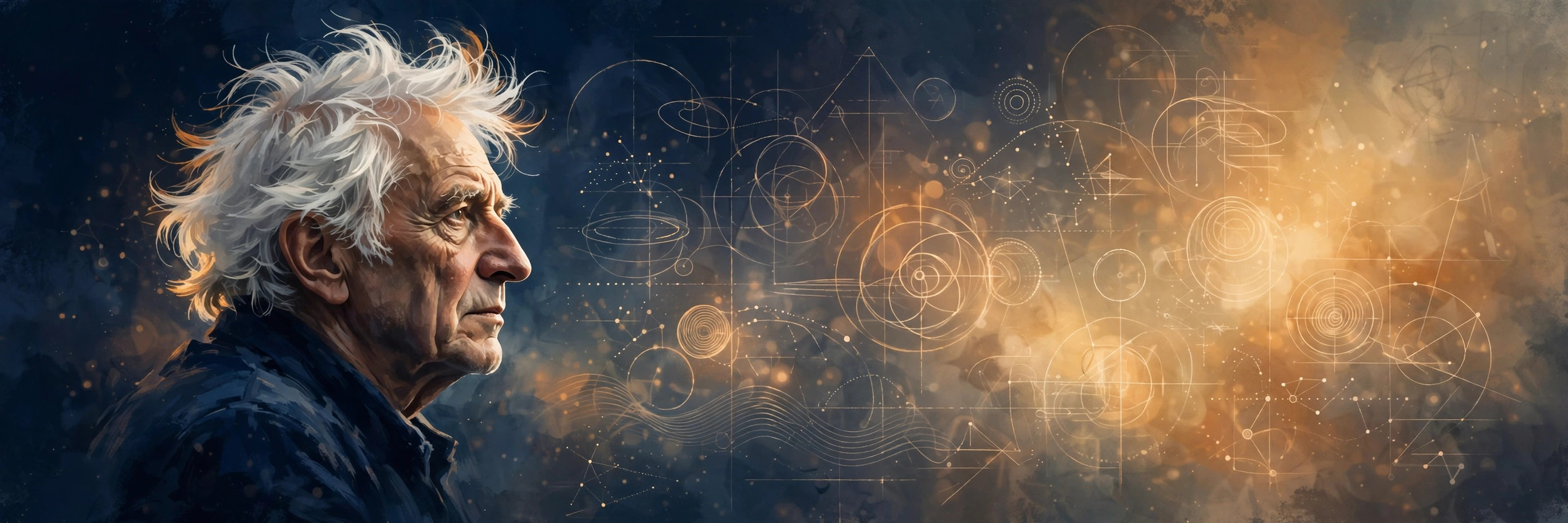
In November 1952, Albert Einstein was offered the presidency of Israel. He declined within a day — and his reason was strikingly honest.
 History
Why Do We Say "Break a Leg"? The Theatre Superstition Explained
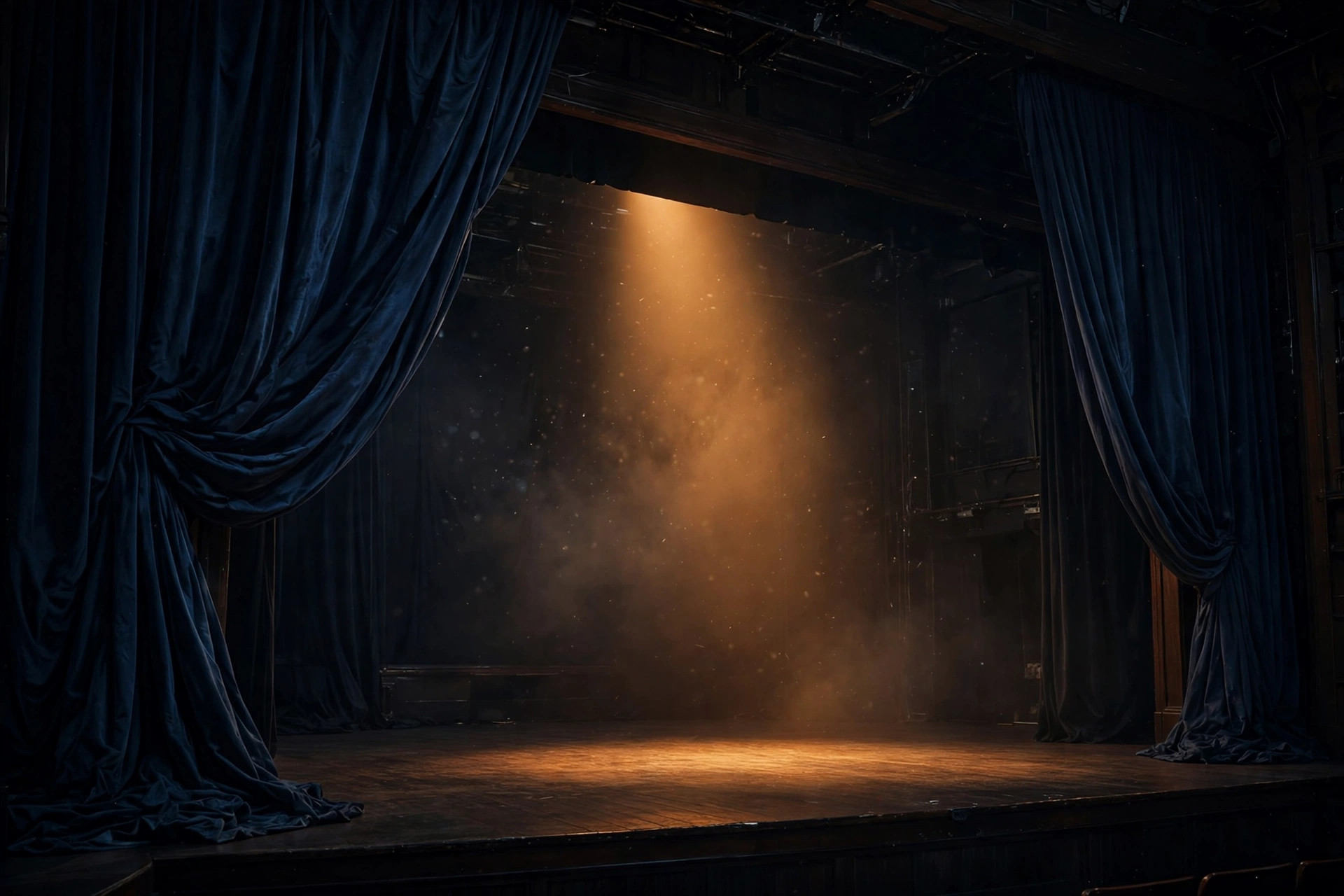
We say "break a leg" because theatre folk believe wishing a performer "good luck" will jinx the show — so they wish the opposite instead, hoping fate returns the favour.