Why Do We Get Déjà Vu? The Brain Glitch Behind "Already Seen
Déjà vu is a brief mismatch between familiarity and memory — your brain flags a new scene as familiar, then catches the error a moment later.
Why do we get déjà vu? That eerie flash — the certainty that you have lived this exact moment before, even though you know you have not — is one of the most common quirks of the human brain. Around 60% of people experience it at least once, and it is most frequent in young adults. The French phrase means "already seen", and it was popularised by the philosopher Émile Boirac in a letter in 1876. Scientists have not found a single cause, but the leading explanations all point to the same thing: a brief glitch in how your brain handles familiarity.
Memory works through two cooperating processes. Familiarity is the fast, automatic feeling that something has been encountered before; recollection is the slower job of pulling up the details of where and when. Normally they agree. In déjà vu, they fall out of sync: the familiarity system fires, but recollection finds no matching memory. A second brain region then checks the feeling against your actual recall, finds nothing, and you are left with the strange sensation of having seen it all before — plus the knowledge that you have not. As cognitive psychologist Akira Robert O'Connor of the University of St Andrews puts it, the feeling is probably your brain avoiding an error rather than making one.
Why do we get déjà vu? A familiar layout with no memory attached
One strong trigger is spatial similarity. Cognitive psychologist Anne Cleary of Colorado State University showed that a new scene can feel familiar when its layout matches a place you have seen before — even if you cannot remember that place. In her experiments, volunteers explored virtual rooms built in the life-simulation game The Sims. When they later entered a different room with the same layout but different furniture, they reported déjà vu more often than in rooms with unrelated layouts. Your brain had recognised the arrangement without recalling the original room, leaving only the feeling behind. A Texas airport you have never visited can feel familiar because it resembles airports you have seen in films, photographs or other trips.
The strongest evidence for a neural mechanism comes from epilepsy research. Some people with temporal-lobe epilepsy experience déjà vu as part of their seizures, and in a 2004 study, electrical stimulation of the rhinal cortex — a memory region in the medial temporal lobe — directly triggered the sensation in patients. That suggests the familiarity circuitry can fire on its own, for no reason at all. In healthy brains, a similar random misfire may be all it takes. Young people experience déjà vu most often, which fits: their brains are at peak speed and sensitivity, and the misfire rate is highest.
There is one more twist. Déjà vu often comes with a feeling that you know what will happen next — yet tests show that feeling is an illusion. In a 2018 study, Cleary and Claxton found that people reporting déjà vu felt more confident about predicting the next turn on a virtual route, but were no more accurate than anyone else. The confidence, not the prediction, is the real effect. Like dreams, déjà vu is a window into how memory is built — and how easily its two halves can disagree.
More mind-blowing facts
 Nature
What Is a Bobbit Worm? The 3-Metre Ambush Predator Under the Sand
The bobbit worm is a giant bristle worm that hides in the seabed and ambushes passing fish with scissor-like jaws — the longest polychaete worm on record.
 Food
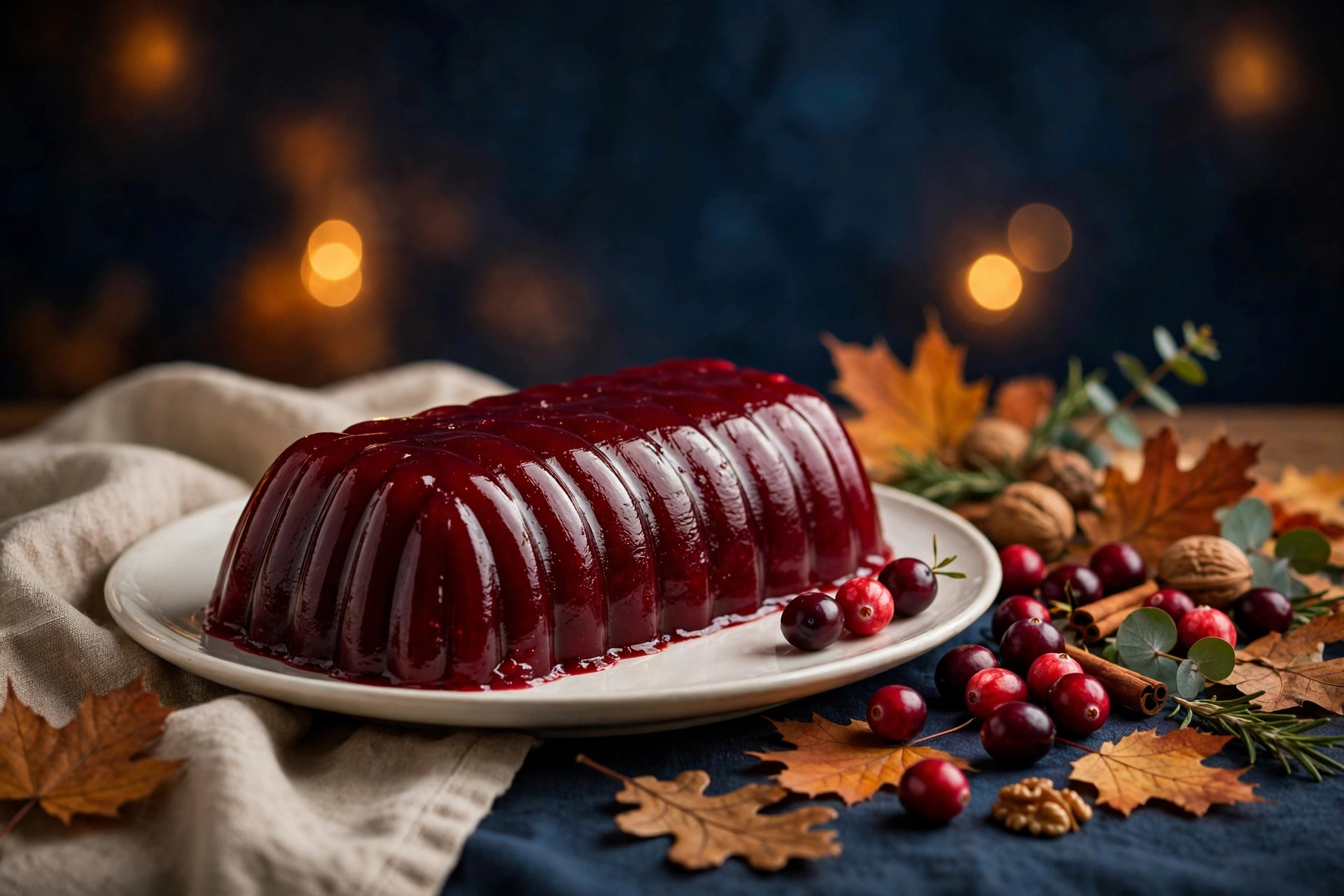
Why Do We Eat Cranberry Sauce on Thanksgiving? From Bogs to Cans
Cranberry sauce reached the Thanksgiving table because the berry is native to North America, an 1796 cookbook paired it with turkey, and canning made it cheap and year-round.
 History
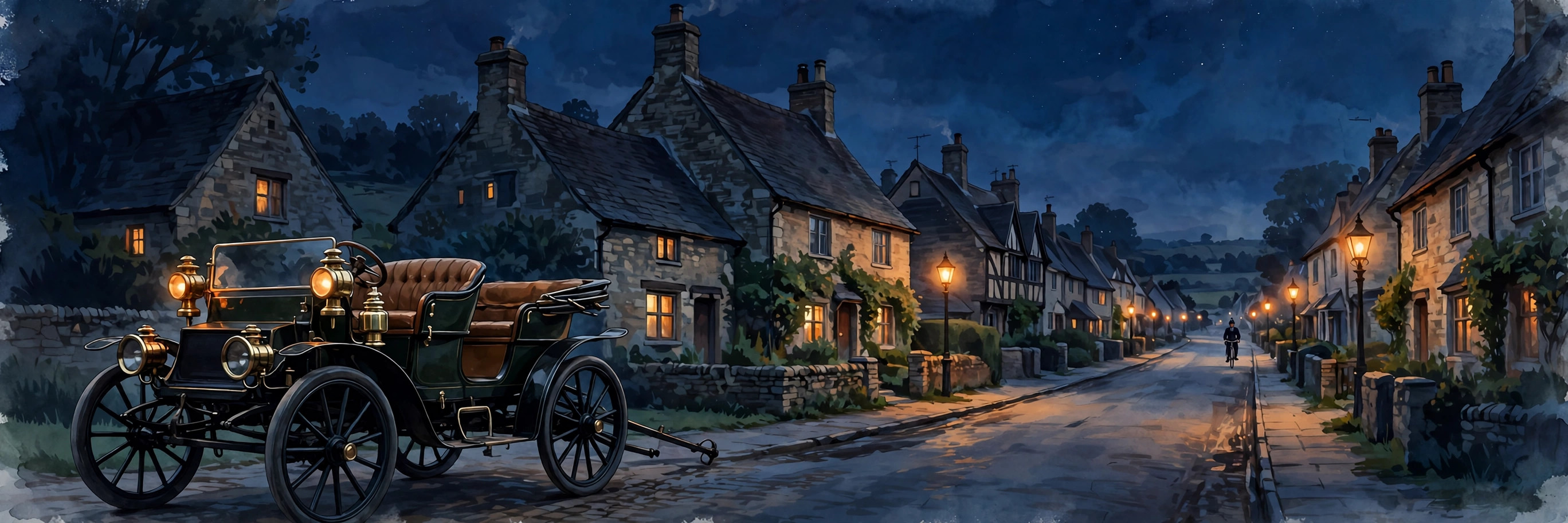
What Was the First Speeding Ticket? 8 mph in 1896
The first speeding ticket in history was issued for driving at 8 mph — four times the legal limit of 2 mph — and the officer who caught the driver was on a bicycle.