Why Do We Get Brain Freeze? The Nerve Reflex Behind the Ice-Cream Headache
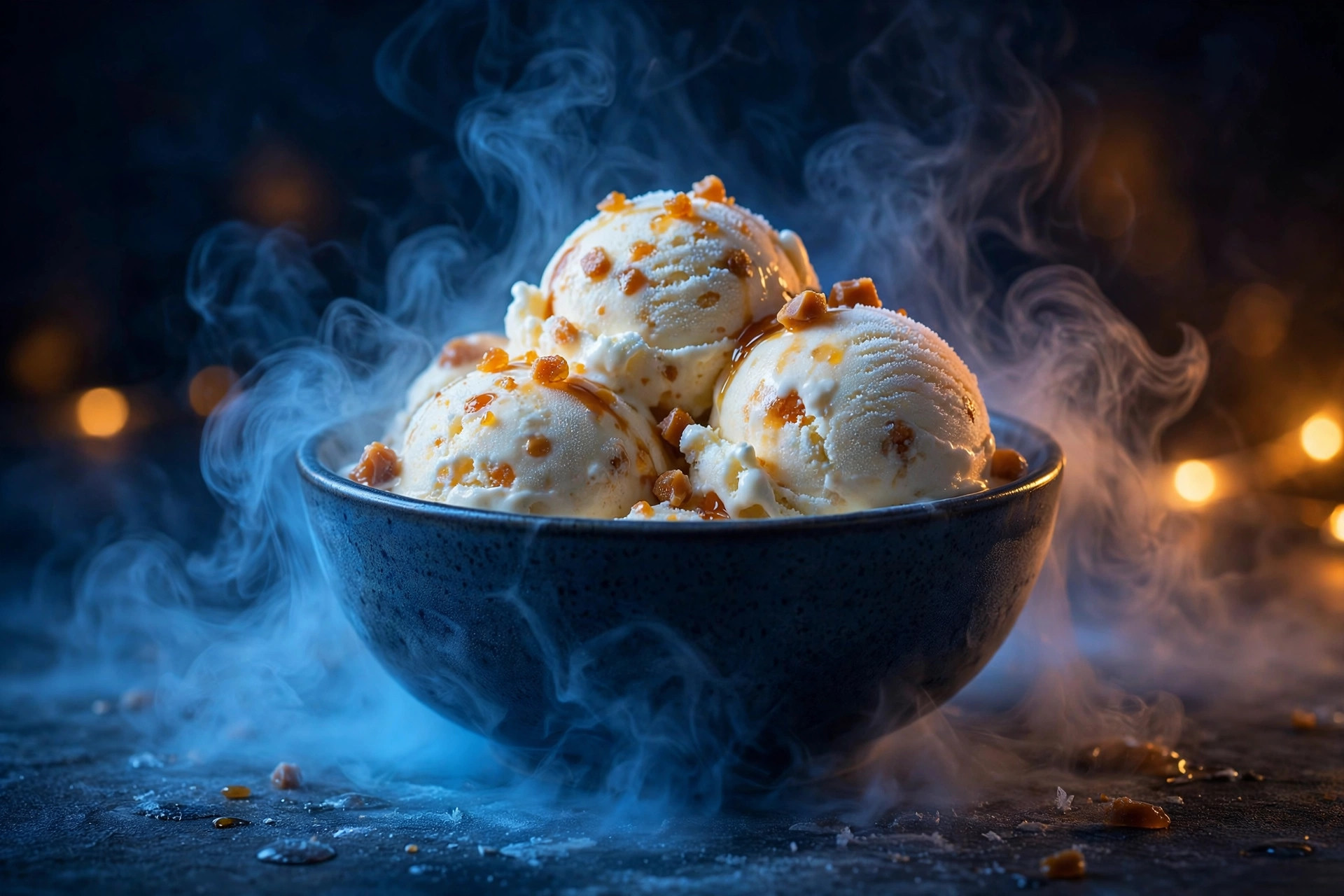
Why do we get brain freeze? When icy food chills the roof of your mouth, blood vessels there constrict and then dilate sharply, and the trigeminal nerve misreads the signal as pain in your forehead.
Why do we get brain freeze? Because your brain would rather give you a headache than let itself get cold. That sharp, stabbing ache across your forehead after a big spoonful of ice cream or a gulp of a slushy drink is your body's emergency heating system overshooting — and the pain is felt in entirely the wrong place. The medical name for it is sphenopalatine ganglioneuralgia, which roughly translates as nerve pain of the sphenopalatine ganglion, a bundle of nerve cells behind your nose.
It starts at the back of the roof of your mouth. When something very cold touches that spot, the blood vessels there constrict rapidly, squeezing shut to keep warm blood — and warmth — inside your head. Almost immediately, your body reverses course and floods the area with blood to warm it back up. That fast constrict-then-dilate swing activates pain receptors, and the signal races up through the sphenopalatine ganglion into the trigeminal nerve, the large nerve that carries sensation from your whole face. Because the trigeminal nerve also serves your forehead and temples, your brain misreads where the pain is coming from. The hurt is in your mouth; you feel it in your head. Scientists call this referred pain.
Why do we get brain freeze? It may be a survival reflex
Researchers think the reflex exists to protect your brain. The brain is exquisitely sensitive to temperature, so a sudden chill at the back of the throat triggers a rapid blood-flow adjustment to keep its temperature stable. A 2012 study that measured blood flow with ultrasound while volunteers drank ice water through a straw found blood flow in the front brain arteries jumped by about a third within seconds of a brain freeze, then settled as the pain faded — supporting the idea that the vessel swing, not the cold itself, causes the ache. Most episodes peak within seconds and fade in under a minute or two.
Some people get brain freeze more easily than others. People who suffer from migraines are significantly more likely to experience it, and more intensely, because the same trigeminal nerve pathways are involved in migraine pain. Only about a third of people reliably get brain freeze from cold food, though most are susceptible to a related headache from sudden exposure to very cold air — the same reflex can be triggered by a sharp breath of frigid winter air or by cold water on an unprotected head while swimming.
Stopping a brain freeze is simple: warm the back of your mouth. Press your warm tongue firmly against the roof of your mouth, drink something warm, or cup your hands over your mouth and nose and breathe warm air. Eating more slowly helps too — it is the sudden chilling, or a cycle of chilling and warming, that triggers the nerve, so wolfing down ice cream is the surest way to set it off. Like goosebumps, brain freeze is a small, ancient reflex doing its job a little too enthusiastically.
More mind-blowing facts
 Nature
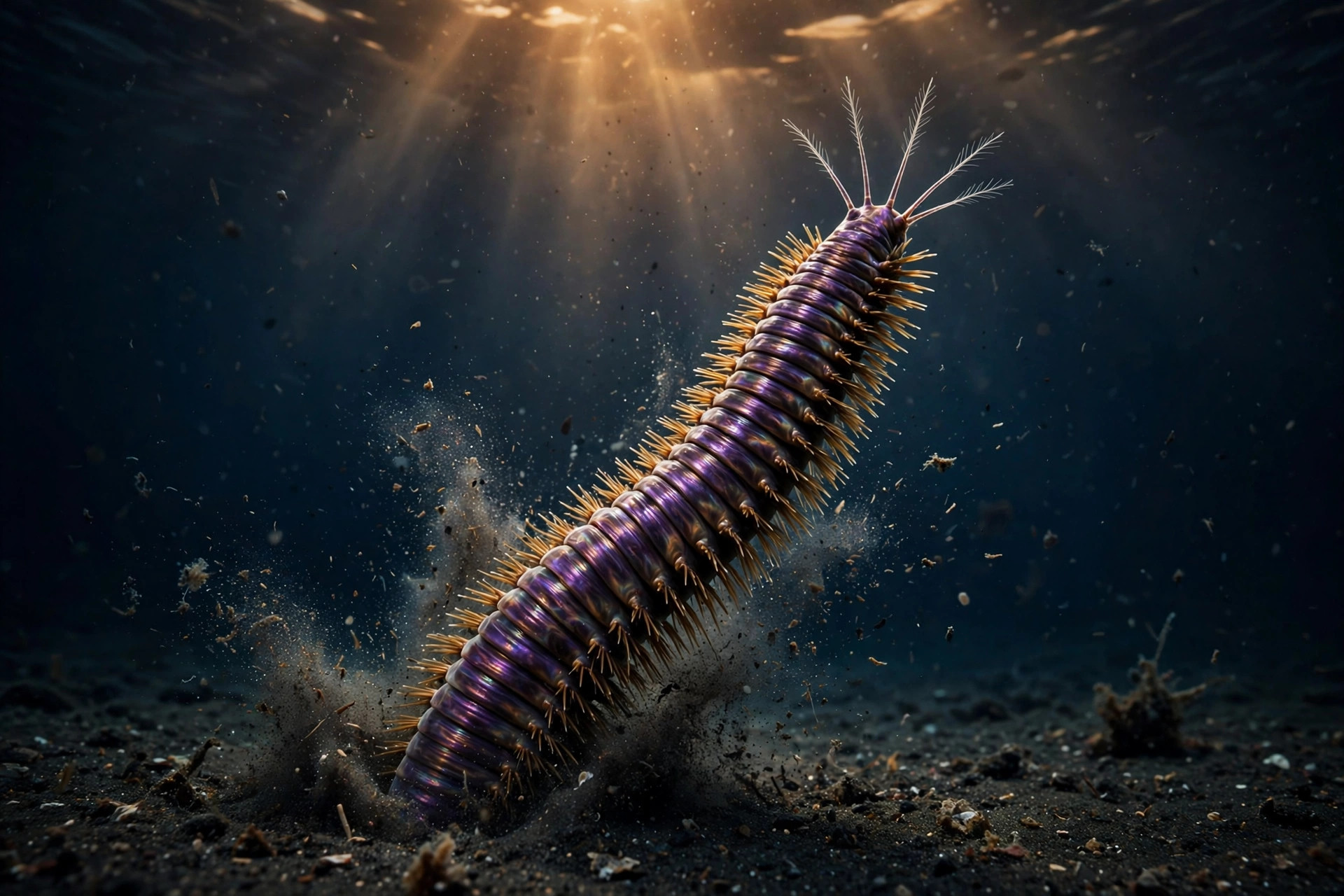
What Is a Bobbit Worm? The 3-Metre Ambush Predator Under the Sand
The bobbit worm is a giant bristle worm that hides in the seabed and ambushes passing fish with scissor-like jaws — the longest polychaete worm on record.
 Food
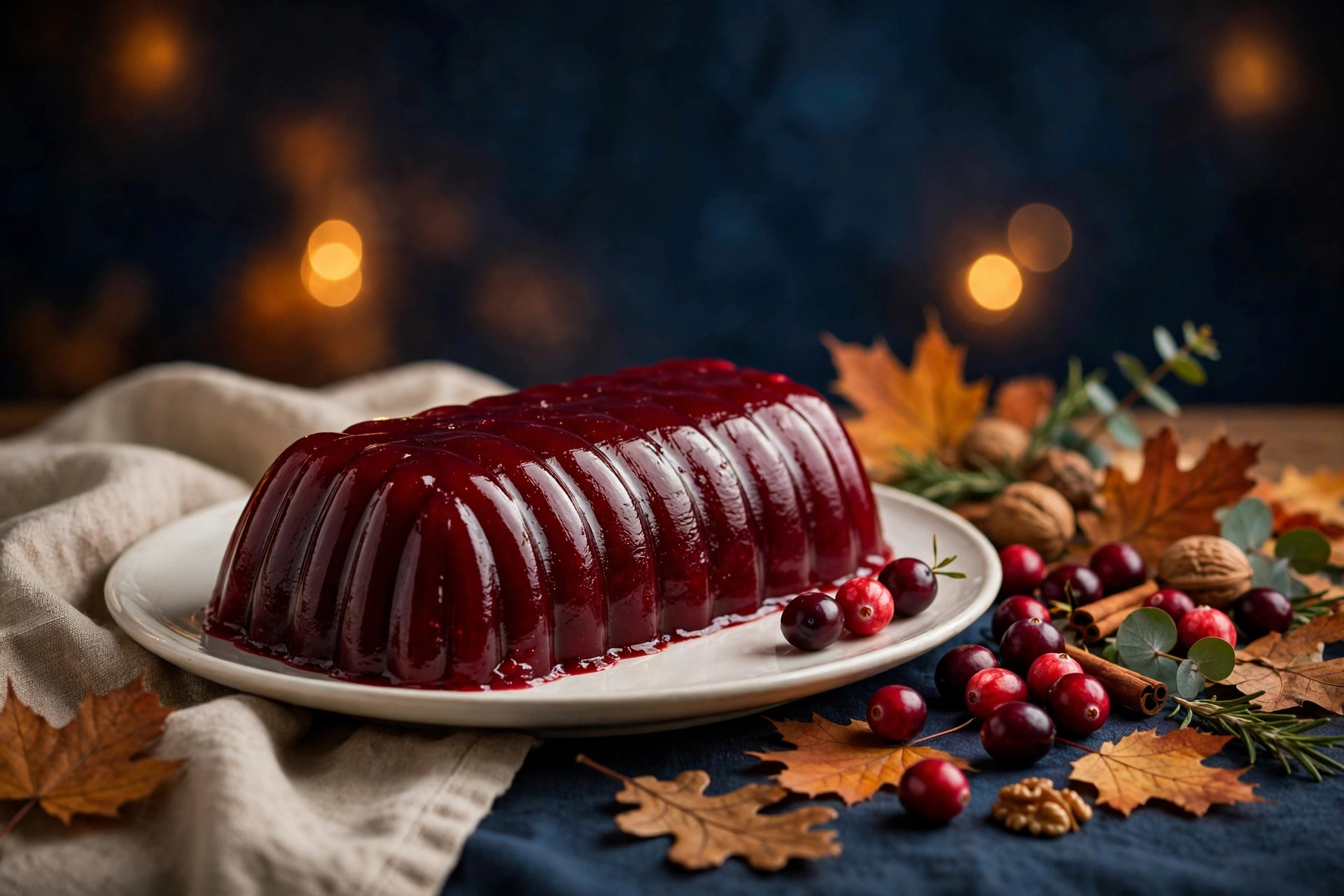
Why Do We Eat Cranberry Sauce on Thanksgiving? From Bogs to Cans
Cranberry sauce reached the Thanksgiving table because the berry is native to North America, an 1796 cookbook paired it with turkey, and canning made it cheap and year-round.
 Mind
Why Do We Get Déjà Vu? The Brain Glitch Behind "Already Seen
Déjà vu is a brief mismatch between familiarity and memory — your brain flags a new scene as familiar, then catches the error a moment later.