Why Are Black Cats Unlucky? The Real History Behind the Superstition
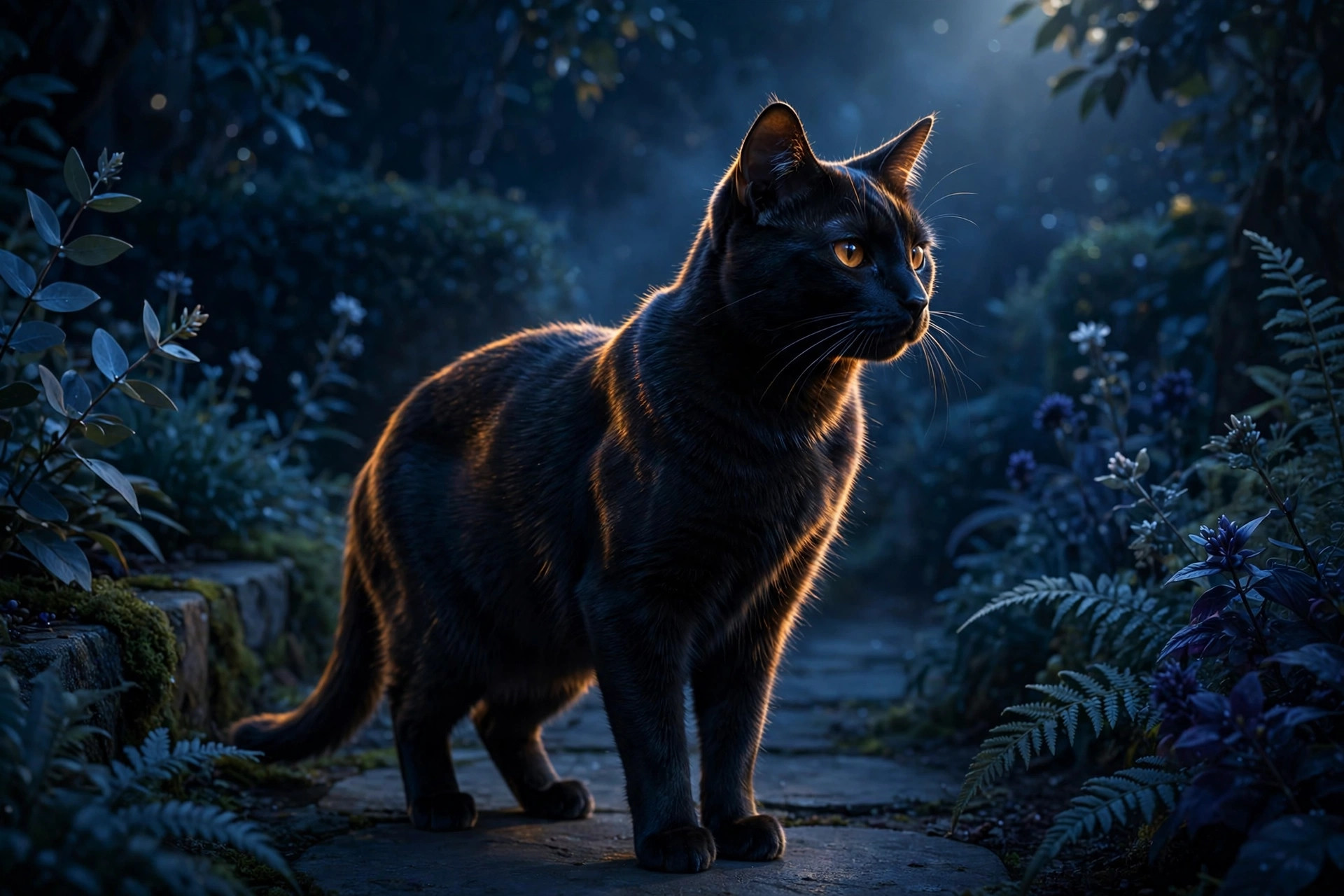
A black cat crossing your path is one of the oldest bad-luck warnings in the West — yet the fear is not ancient, universal, or based on anything the cat does.
Why are black cats unlucky, when a cat's coat colour has nothing to do with luck at all? The short answer is that the superstition was built, layer by layer, over roughly 800 years of European religious fear, witch trials and storytelling. Before that, cats of every colour were honoured — and in several cultures, black cats still are.
Why are black cats unlucky? Medieval Europe made the connection
In ancient Egypt, cats were revered, and the goddess Bastet was shown as a cat or a cat-headed woman. Killing a cat could be punished severely. The turn came in medieval Europe, as the Church campaigned against pagan practices and heresy. Cats, linked to old goddess worship and to the night, were recast as creatures of the Devil.
A much-quoted milestone is Pope Gregory IX's papal bull Vox in Rama, issued in 1233, which associated black cats with devil worship in the context of a heresy investigation in Germany. Popular retellings exaggerate it into a Europe-wide order against cats, but its real importance is symbolic: it shows black cats already entangled with ideas of heresy and evil by the 13th century.
The witch trials then fixed the image. Black cats were said to be witches' familiars — spirits in animal form that served a witch — or witches themselves in disguise, slipping through the dark to spy on neighbours. Puritan settlers carried the belief to America, where it settled into folklore.
Not every culture feared them
The fear was never universal, which is the clearest proof that it is cultural, not feline. British sailors long kept black cats aboard ship for luck, believing a cat that stayed aboard protected the vessel. In Japan, a black cat is a protective figure: the black maneki-neko, the beckoning-cat figurine, is said to ward off evil spirits. In parts of Britain, a black cat crossing your path is still considered good luck, not bad.
So the same animal has meant protection in one port and peril in another. The cat did not change. The story around it did.
Why the belief survives today
Partly, it survives because Halloween keeps it in costume: the witch's black cat is now a decoration, repeated every October. Partly, it survives through confirmation bias — we remember the bad day that followed a black cat and forget the hundred ordinary days that did not. And it has a real-world cost: animal shelters commonly report that black cats wait longer for adoption than lighter-coloured cats, a pattern sometimes called "black cat bias".
There is no evidence that a black cat brings misfortune, and plenty that the belief itself was made by history. For another superstition with a surprising origin, see why Friday the 13th is considered unlucky, and for what cats are really communicating, why cats purr and why cats knead.
The next time a black cat crosses your path, the only thing it is really bringing is a cat — and about eight centuries of human storytelling.
More mind-blowing facts
 History
What Was the First Speeding Ticket? 8 mph in 1896
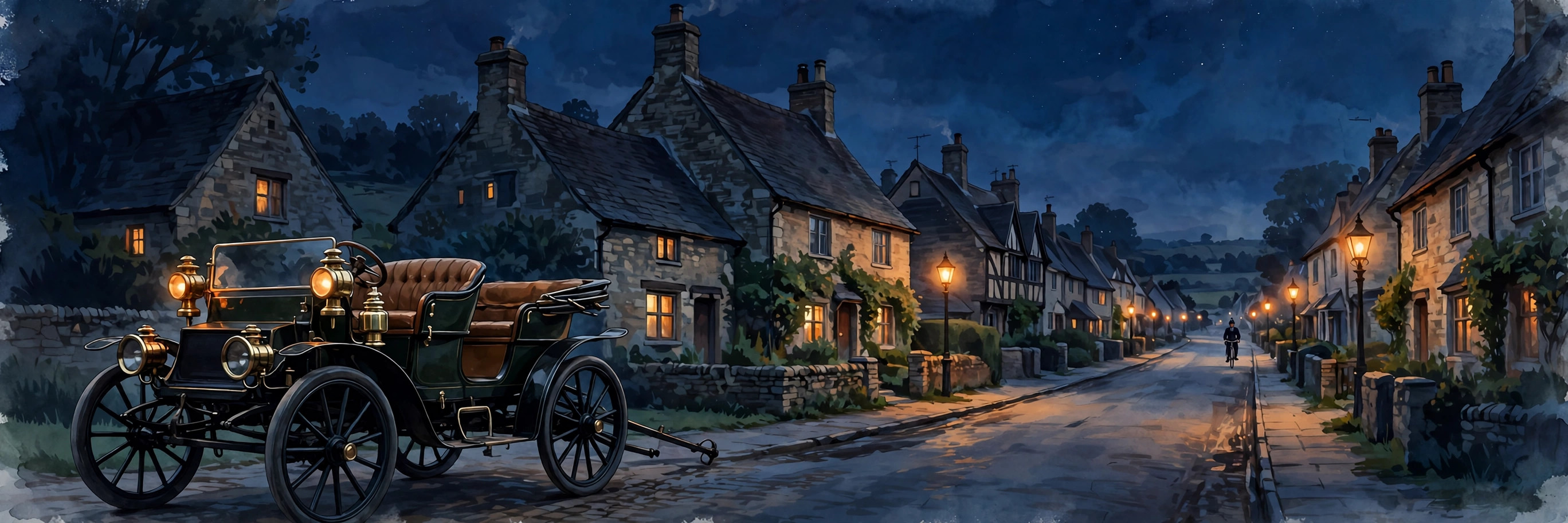
The first speeding ticket in history was issued for driving at 8 mph — four times the legal limit of 2 mph — and the officer who caught the driver was on a bicycle.
 History
Why Did Einstein Turn Down the Presidency of Israel?
In November 1952, Albert Einstein was offered the presidency of Israel. He declined within a day — and his reason was strikingly honest.
 History
Why Do We Say "Break a Leg"? The Theatre Superstition Explained
We say "break a leg" because theatre folk believe wishing a performer "good luck" will jinx the show — so they wish the opposite instead, hoping fate returns the favour.