Why Do We See Lightning Before Thunder? Light Is Nearly a Million Times Faster Than Sound
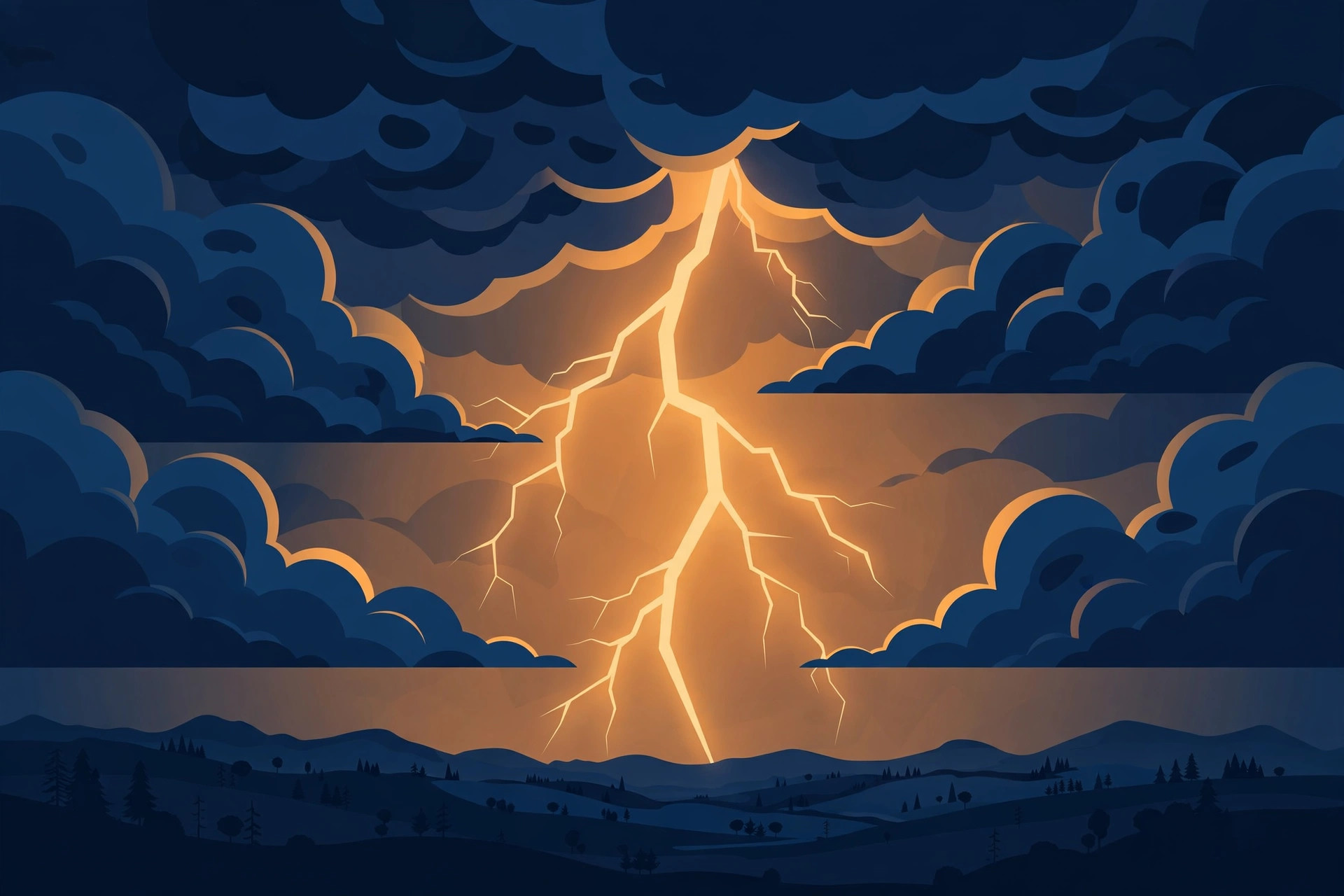
Why do we see lightning before thunder? Both are born in the same instant — the flash is the discharge, the thunder is the air it superheats exploding outward. Light simply arrives first, by a huge margin.
Why do we see lightning before thunder? Because the flash and the boom are born at the same instant, but they travel at wildly different speeds. Lightning is a giant spark: when the electrical difference inside a storm cloud grows large enough, a rapid discharge leaps between clouds, or between a cloud and the ground. The lightning channel heats the surrounding air to around 30,000 Kelvin — about five times hotter than the surface of the Sun — in a fraction of a second. That superheated air expands violently, creating a pressure wave that races outward through the atmosphere. That wave is thunder. Lightning and thunder are not two events, one after the other. They are one event, seen and heard.
The delay you notice is entirely about the journey to your senses. Light travels through air at close to 300,000 kilometres per second, so for any distance on Earth the flash reaches your eyes effectively instantaneously — about three microseconds to cross one kilometre. Sound, by contrast, is a mechanical wave: air molecules must physically bump into their neighbours, one after another, to carry it. In dry air at 20 degrees Celsius it moves at only about 343 metres per second, roughly 1,235 kilometres per hour. NOAA's National Severe Storms Laboratory puts it simply: light travels through air roughly a million times faster than sound. So a lightning strike one kilometre away shows itself in a blink, while its thunder needs about three seconds to arrive. The farther the strike, the longer the gap.
Why do we see lightning before thunder? The flash-to-bang rule
That gap is useful: it lets you estimate how far away a storm is without any instruments. Count the seconds between the flash and the thunder, then divide by three to get the distance in kilometres — or divide by five for miles. Six seconds means the strike was about two kilometres away. If you hear thunder at all, the lightning is close enough to be dangerous, and the US National Weather Service's rule is blunt: when thunder roars, go indoors. Lightning can strike up to 15 kilometres or more from the storm that produced it, well outside the rain.
Thunder rumbles rather than cracking once because a lightning bolt is kilometres long, and sound from different parts of the channel reaches your ears at different times — the nearest part first, the farthest part last, stretched out into a rolling growl. Sometimes you can see a distant flash with no thunder at all: the sound has faded out over the distance, a phenomenon often called heat lightning.
But a thunderstorm is the most dramatic demonstration of all — two senses reporting the same event at two very different speeds, with the blue sky overhead as the stage. The flash is not early and the thunder is not late. They left together. Light just got there first, by nearly a million to one.
More mind-blowing facts
 Science
What Was the First Webcam? The Coffee Pot That Started It All
The first webcam was not built for fame or fortune. It was built so a handful of Cambridge researchers would stop climbing stairs for an empty coffee pot.
 Science
How Do Airplanes Fly? The Real Science of Lift
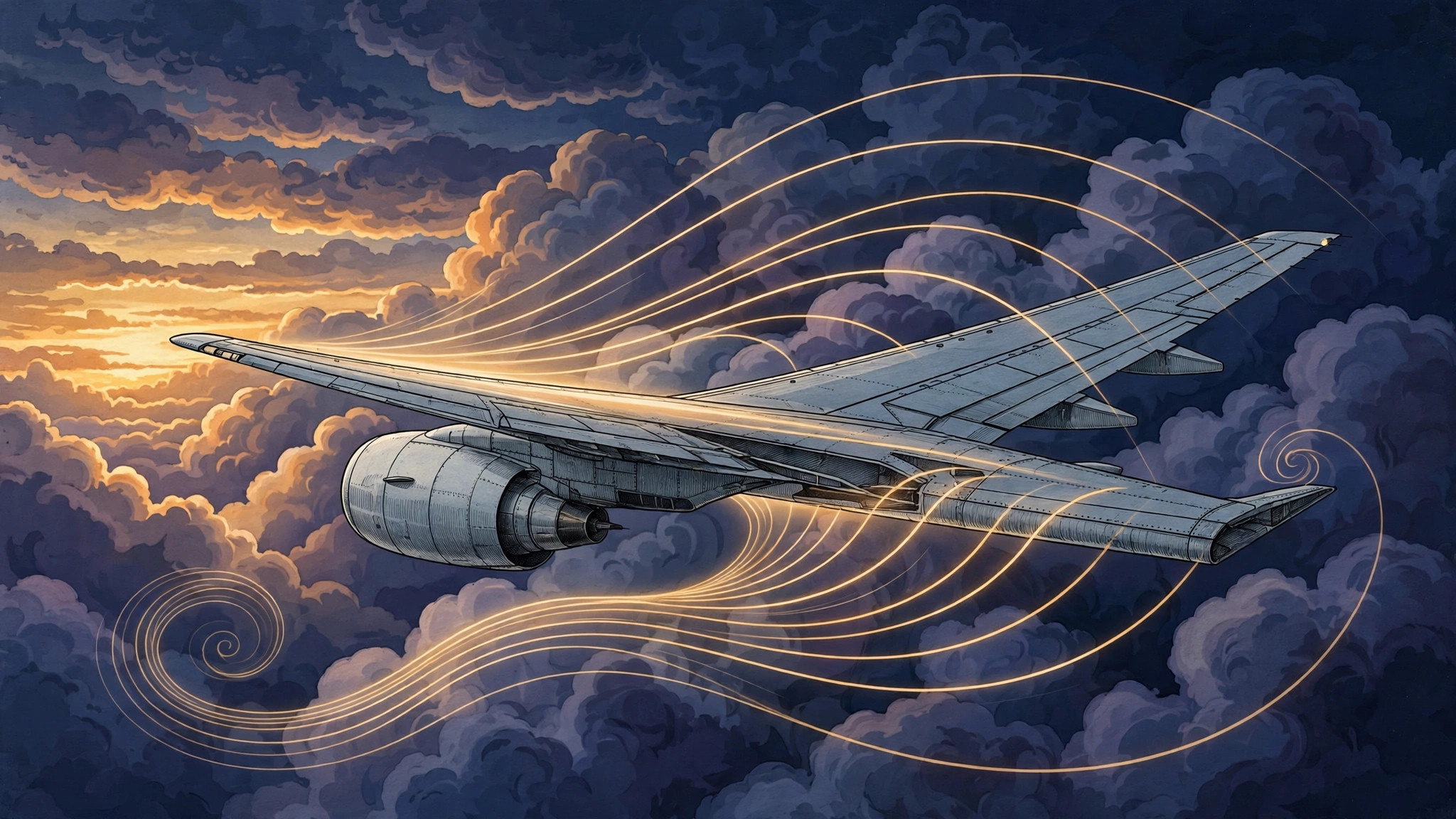
Airplanes fly because their wings push air downward — and the air pushes back up. That reaction force, plus lower pressure above the wing, is lift.
 Science
Why Do We Have Seasons? The Tilt That Changes Everything
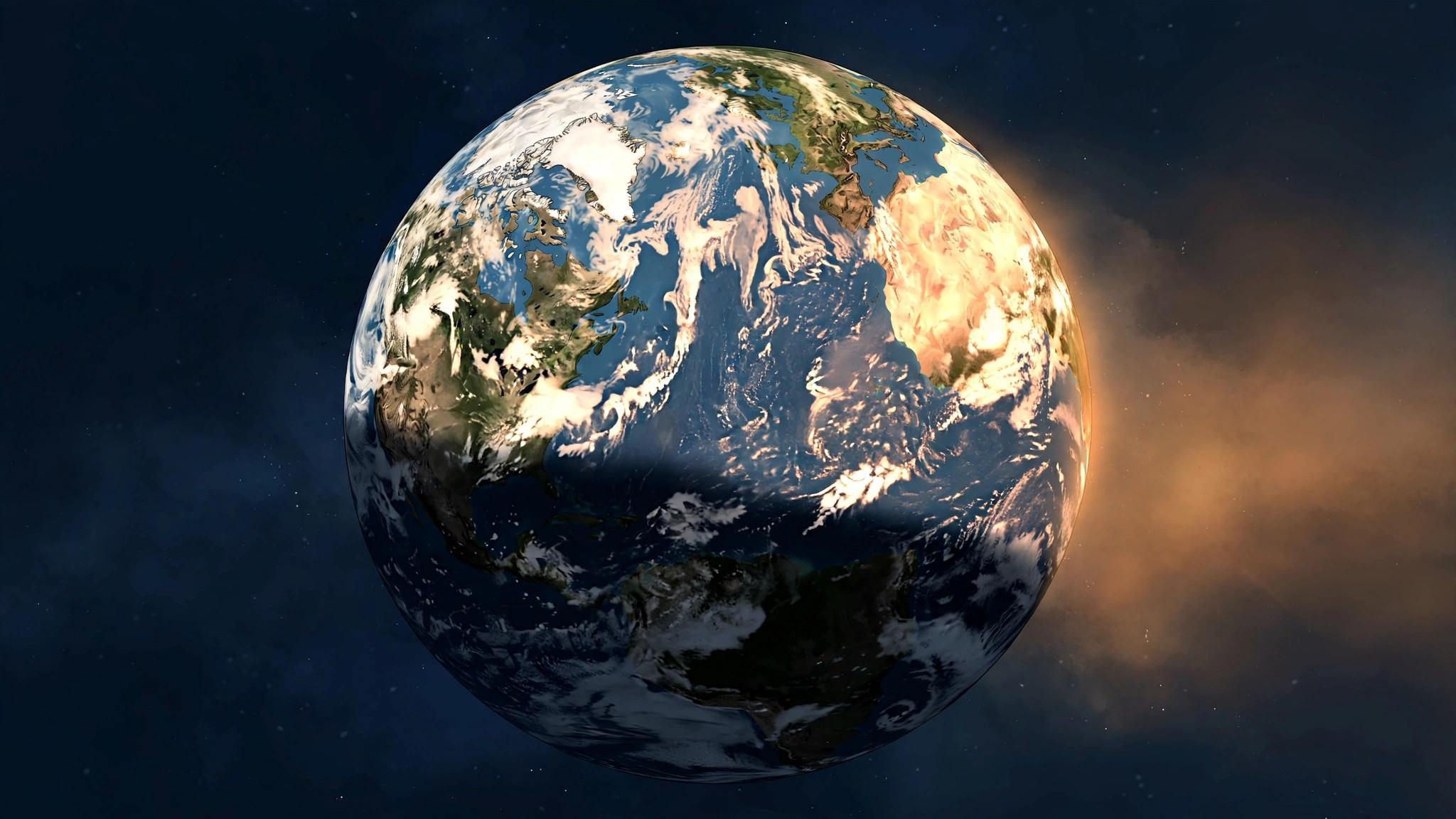
We have seasons because Earth leans 23.5 degrees on its axis — so each hemisphere takes turns leaning toward the Sun and away from it as the year goes by.