Do Goldfish Have a Three-Second Memory? The Myth Debunked
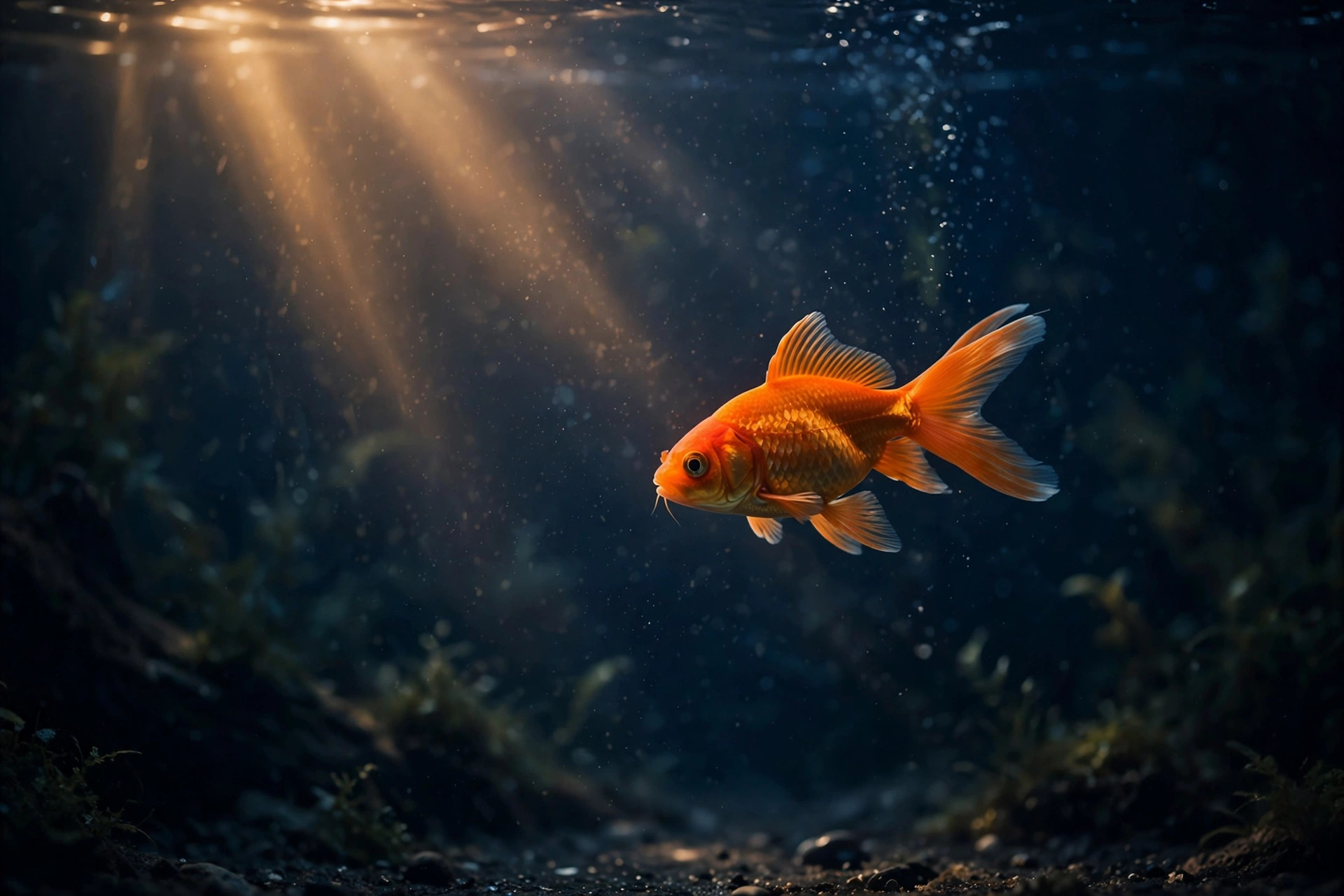
The three-second goldfish memory is one of the most repeated animal myths — and it is wrong. Goldfish can remember for weeks or months.
Do goldfish have a three-second memory? No. It is one of the most repeated animal myths, but it has no basis in research. Goldfish can learn new tasks, remember feeding times and find their way around a maze long after they first learned it — for weeks, and in some studies for months.
Nobody has traced the "three seconds" figure to an actual study. It appears to be folklore that stuck because it sounds plausible: a small fish in a small bowl, circling endlessly, supposedly starting each lap with a blank mind. The science tells a very different story.
What goldfish memory research actually found
Goldfish have been used as laboratory animals for studying learning and memory since the 1950s and 1960s, which would have been impossible if they forgot everything in seconds. In one classic line of research, goldfish were trained to press a lever for food, and the reward was gradually restricted to a single hour each day. The fish learned the schedule: they pressed the lever most during that hour and largely ignored it at other times. That requires remembering across a whole day, not three seconds.
Other experiments show the same pattern in different ways. Goldfish can learn to navigate mazes, tell colours apart, and associate a sound or a place with feeding time. In a 2022 study at Oxford University, goldfish were trained to swim exactly 70 centimetres before turning back for a food reward — and they kept swimming the correct distance even when researchers changed their starting position and removed visual cues. That is precise spatial memory, not guesswork.
Behavioural ecologist Culum Brown, who has studied fish cognition for decades, has put it bluntly: the three-second memory is a complete myth. His own work found that fish can remember complex tasks for at least five months, depending on the species.
Why the myth matters
The myth does more than flatter our own memories. It has long been used, casually, to excuse keeping goldfish in tiny, unfiltered bowls — as if a fish that forgets instantly cannot suffer from poor conditions. The research points the other way: a goldfish that remembers its feeding routine and its surroundings is an animal that experiences its environment, for better or worse. Properly cared for, a goldfish can live for around 20 years.
Goldfish brains are small, but size is not the whole story. They lack a mammalian hippocampus, yet a brain region called the telencephalon handles comparable jobs: spatial navigation, associative learning and turning experience into something retrievable later. Like the mantis shrimp's extraordinary vision, a goldfish's senses are far more capable than the popular caricature suggests.
So the next time someone is told to "be a goldfish" and forget a mistake in three seconds, the joke works — but the biology does not. Goldfish remember. The three-second memory never existed.
More mind-blowing facts
 Animals
Why Do Dogs Tilt Their Heads? The Science Behind the Adorable Tilt
Why do dogs tilt their heads? They are tuning their ears to locate a sound, seeing past their own muzzle, and concentrating on words they recognise — a sign your dog is paying close attention.
 Animals
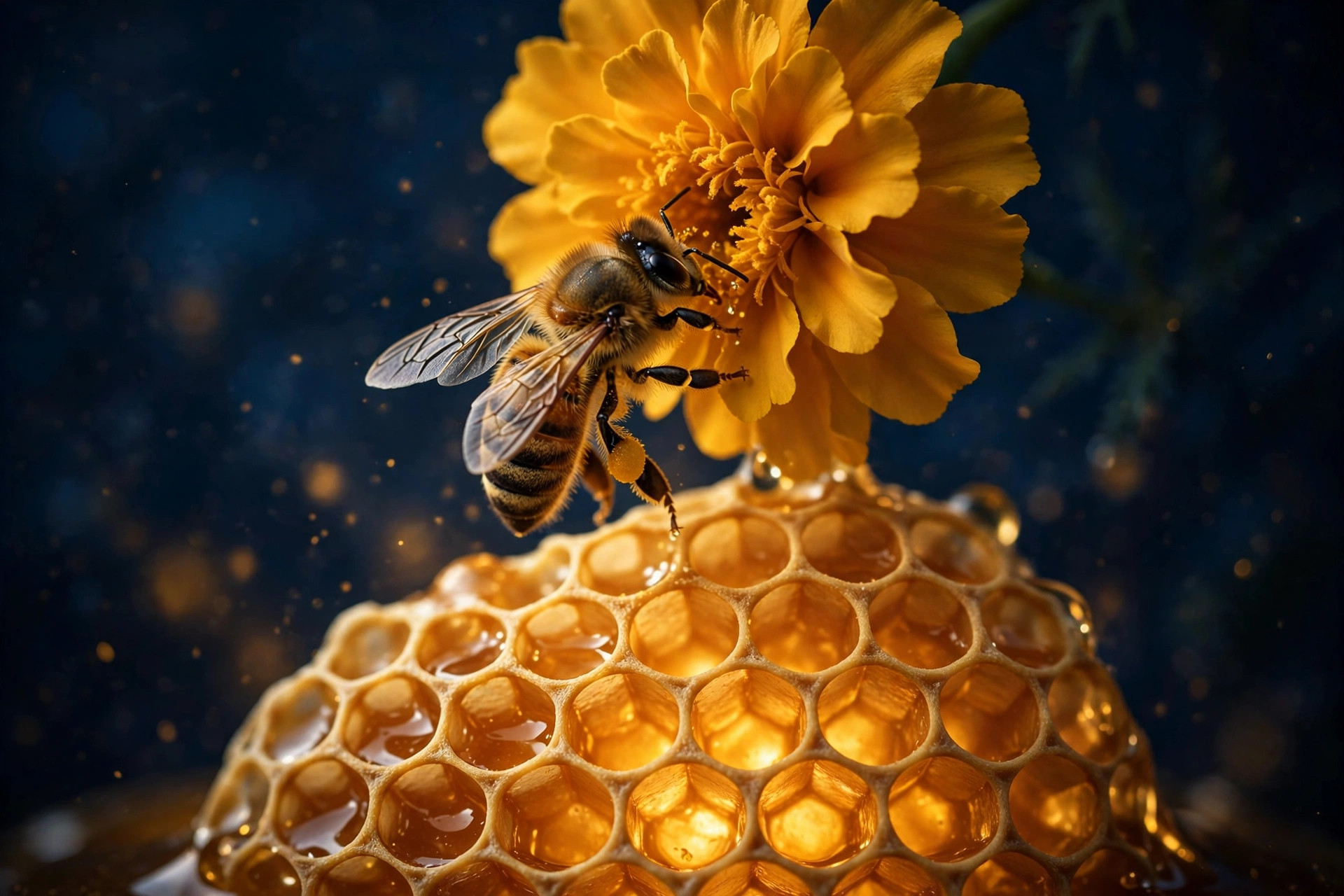
How Do Bees Make Honey? From Flower Nectar to Golden Jar
Bees make honey by collecting flower nectar, breaking down its sugars with enzymes, and fanning away most of its water until the thick golden result can be sealed in wax.
 Animals
Why Do Dogs Wag Their Tails? It Is Not Always Happiness
A wagging tail does not always mean a happy dog. It is a social signal, and the speed, height and direction of the wag all change what the dog is saying.