Why Do Leaves Change Colour in Fall? The Hidden Pigments Explained
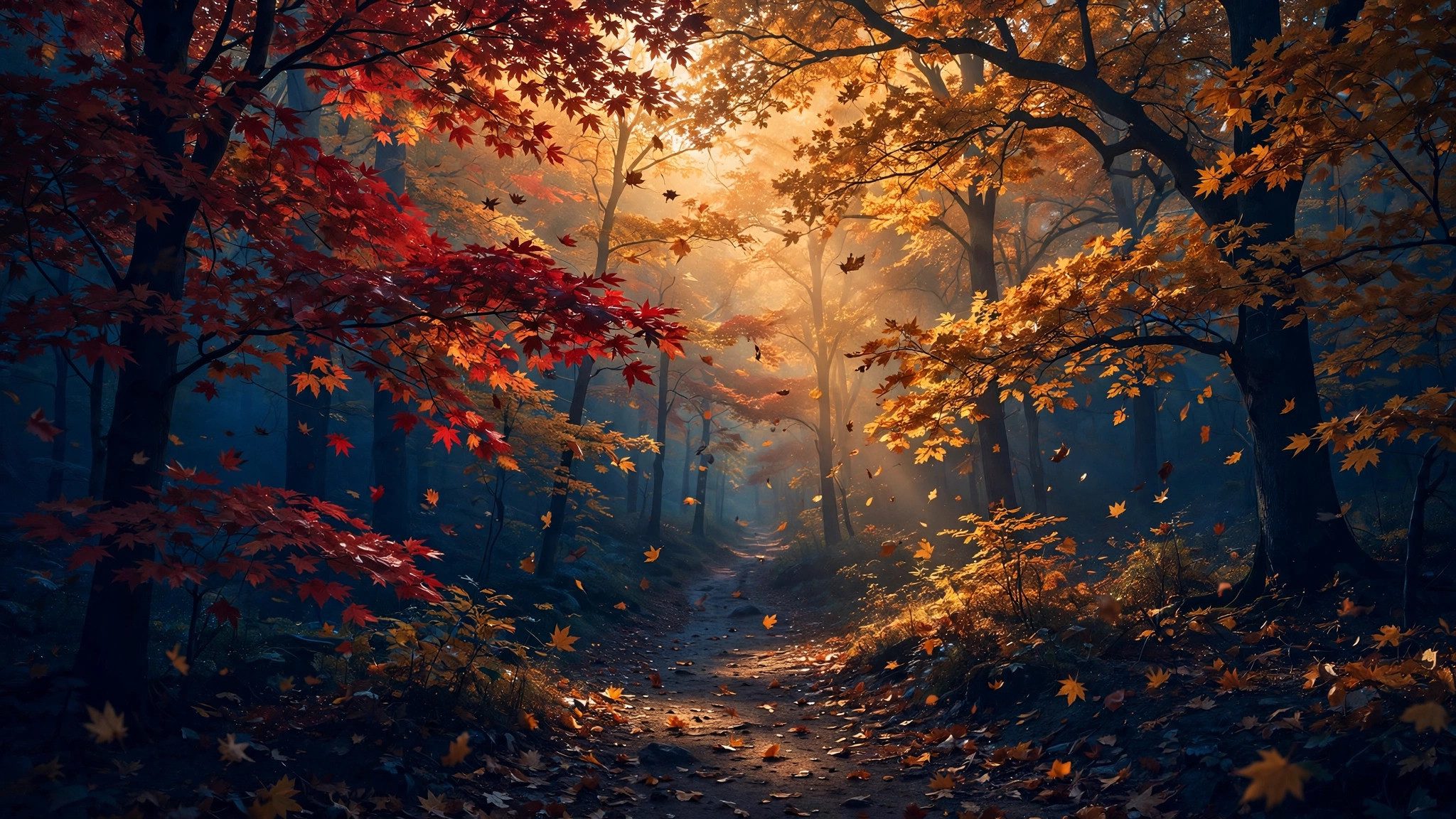
The reds and golds of autumn were hiding in the leaf all summer. Fall colour is mostly an unveiling, as green chlorophyll fades — plus one pigment trees only make once autumn arrives.
Why do leaves change colour in fall, turning whole hillsides red, orange and gold? The colours do not arrive from outside. Most of them were inside the leaf all along, hidden behind green. Autumn is when the green steps aside and the tree quietly reclaims what it can before letting the leaf go.
The trigger is not frost, as many people assume. It is the shortening day.
Why do leaves change colour in autumn? Chlorophyll steps aside
All summer, leaves are packed with chlorophyll, the green pigment that drives photosynthesis — the process that turns sunlight, water and carbon dioxide into sugars the tree can live on. Chlorophyll is so abundant, and so strongly green, that it masks every other pigment in the leaf.
As days shorten and nights cool, trees read the signal that winter is coming. Making fresh chlorophyll is expensive, and a broad leaf would lose dangerous amounts of water in cold, dry winter air. So the tree stops replacing chlorophyll as it breaks down. The green fades, and the pigments underneath are finally visible.
Those revealed pigments are mainly carotenoids — the same family that makes carrots orange and corn yellow — along with yellow xanthophylls. They were present from spring onwards, helping with photosynthesis. Birches, hickories and aspens, rich in these pigments, turn clear gold and yellow.
Where do the reds come from?
Red is different. Reds and purples come from anthocyanins, pigments most trees only produce in autumn itself. On bright autumn days, leaves still make sugar, but a sealing layer forming at the leaf stalk traps that sugar inside. The tree converts it into anthocyanins, colouring maples, red oaks and sumacs crimson and scarlet. One leading idea is that this red acts as a sunscreen, protecting the leaf while the tree salvages valuable nutrients from it.
That is why the best fall displays follow sunny days and cool, frost-free nights: plenty of sugar, plenty of time to turn it red. A hard early frost or a dull, wet autumn can mute the show, and browns — left by tannins, as in many oaks — take over once the brighter pigments fade.
Before each leaf falls, the tree absorbs much of its remaining nitrogen and other nutrients back into the branches. A thin abscission layer then weakens the stalk, and the leaf drops. It is not waste; it is winter housekeeping.
For another everyday colour with a hidden mechanism, see why the sky is blue, and for colour written across the night sky, what causes the northern lights.
So autumn colour is really two stories at once: yellows that were always there, finally unmasked, and reds made fresh in the leaf's final, busiest weeks.
Questions, answered
Where do the reds come from?
Red is different. Reds and purples come from anthocyanins, pigments most trees only produce in autumn itself. On bright autumn days, leaves still make sugar, but a sealing layer forming at the leaf stalk traps that sugar inside. The tree converts it into anthocyanins, colouring maples, red oaks and sumacs crimson and scarlet.
More mind-blowing facts
 Science
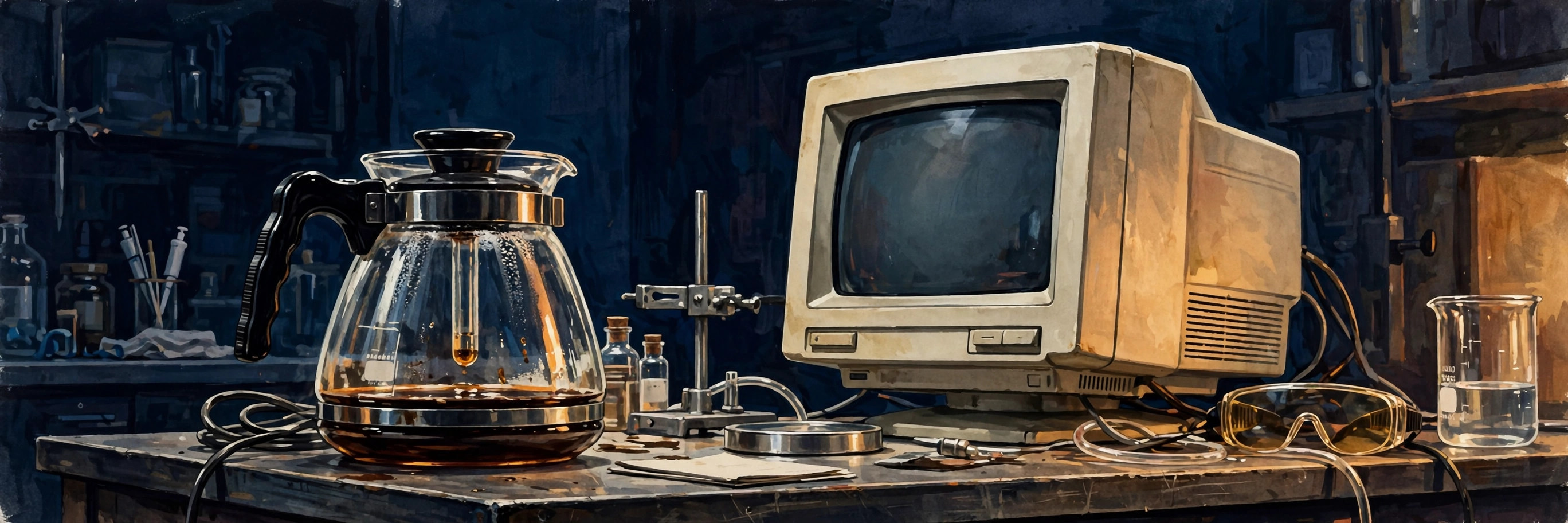
What Was the First Webcam? The Coffee Pot That Started It All
The first webcam was not built for fame or fortune. It was built so a handful of Cambridge researchers would stop climbing stairs for an empty coffee pot.
 Science
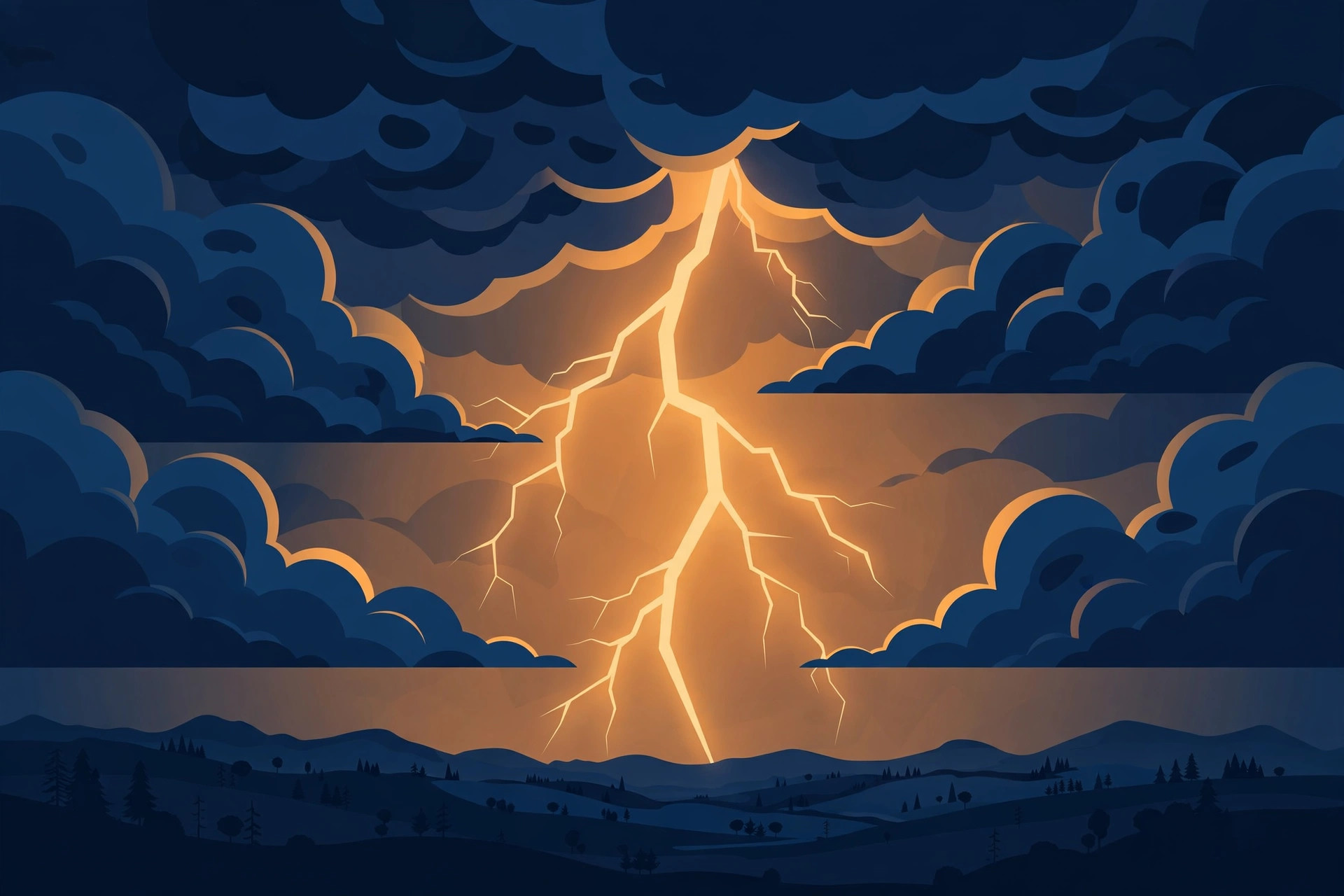
Why Do We See Lightning Before Thunder? Light Is Nearly a Million Times Faster Than Sound
Why do we see lightning before thunder? Both are born in the same instant — the flash is the discharge, the thunder is the air it superheats exploding outward. Light simply arrives first, by a huge margin.
 Science
How Do Airplanes Fly? The Real Science of Lift
Airplanes fly because their wings push air downward — and the air pushes back up. That reaction force, plus lower pressure above the wing, is lift.