Are Sharks Really Older Than Trees? Yes — by 65 Million Years
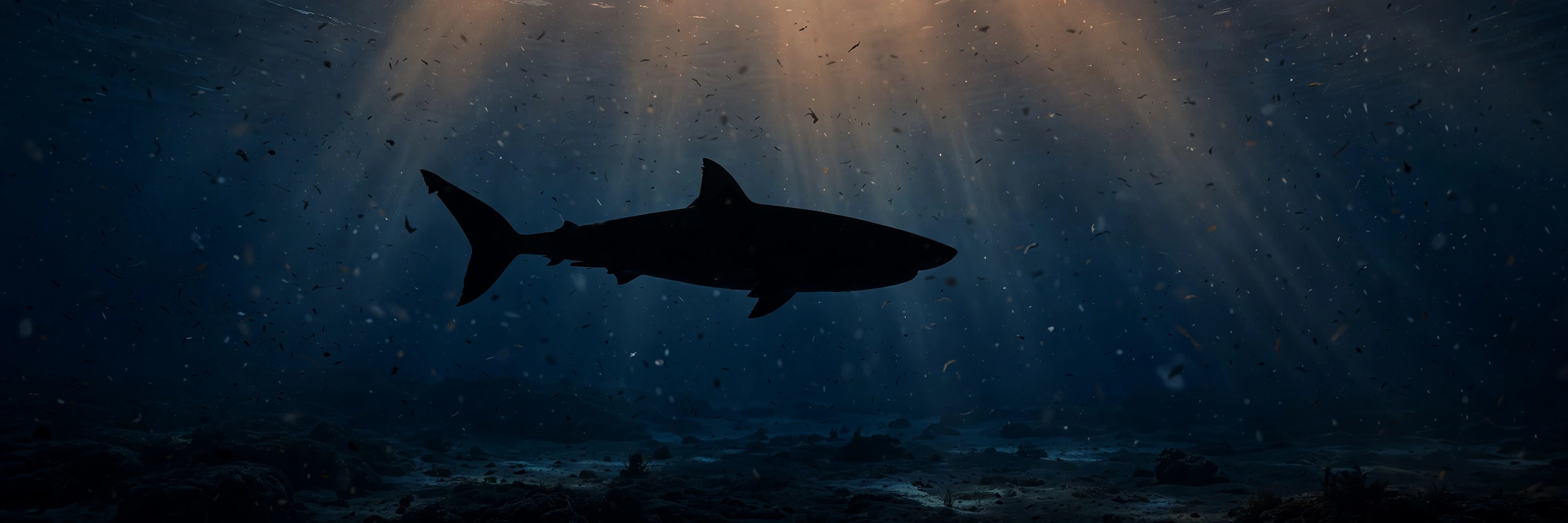
Sharks have been swimming for roughly 450 million years — they predate the first tree by about 65 million years, roughly the span from the dinosaurs to today.
Are sharks older than trees? Yes — and the numbers are worth sitting with. Sharks have been swimming in Earth's oceans for roughly 450 million years, which means they predate the first true tree by about 65 million years. That gap is roughly the same span that separates us from the extinction of the dinosaurs.
Are sharks older than trees? What the fossils say
According to the Natural History Museum's timeline of shark evolution, the earliest evidence of sharks in the fossil record consists of a few tiny scales — dermal denticles, the same tooth-like skin structures modern sharks still carry — found in Late Ordovician rocks roughly 450 million years old. There is some debate over whether those earliest scales belong to true sharks or very close relatives, and the earliest undisputed shark scales are about 420 million years old. Either way, sharks predate almost every other living lineage of vertebrate.
By the time the first organism that could reasonably be called a tree existed, sharks had been swimming for an interval longer than the entire age of mammals.
When did the first trees appear?
The first true trees appear in the fossil record around 385 million years ago, in the Middle Devonian. The early trees, such as Wattieza and later Archaeopteris, were nothing like today's forests: Wattieza was an 8-metre, fern-like plant that became the first organism to grow a trunk.
When sharks first appeared, there were no forests at all — the only plants on land were mosses and liverworts no taller than a few centimetres.
How have sharks survived five mass extinctions?
Sharks have lived through all five of Earth's mass extinctions, including the one that wiped out the dinosaurs. Emma Bernard, fossil fish curator at the Natural History Museum, points to adaptability: sharks can exploit different parts of the water column — from deep, dark oceans to shallow seas and even river systems — and eat a hugely varied diet, from plankton and fish to crabs, seals and whales. That diversity makes the group far more likely to survive when conditions change.
Because a shark's skeleton is cartilage, which decays instead of fossilising, most shark fossils are teeth, fin spines and skin denticles — a single shark sheds tens of thousands of teeth in its lifetime, which is why shark teeth are so abundant in the fossil record.
So the next time you see a shark gliding across your screen, remember: it comes from a lineage that is older than trees, older than the Atlantic Ocean, and older than Saturn's rings — and it barely needed to change.
For more ancient ocean life, see the mantis shrimp's sixteen-colour vision — and for the ultimate longevity record on land, the oldest living individual tree.
Questions, answered
When did the first trees appear?
The first true trees appear in the fossil record around 385 million years ago, in the Middle Devonian. The early trees, such as Wattieza and later Archaeopteris, were nothing like today's forests: Wattieza was an 8-metre, fern-like plant that became the first organism to grow a trunk.
How have sharks survived five mass extinctions?
Sharks have lived through all five of Earth's mass extinctions, including the one that wiped out the dinosaurs.
More mind-blowing facts
 Science
What Was the First Webcam? The Coffee Pot That Started It All
The first webcam was not built for fame or fortune. It was built so a handful of Cambridge researchers would stop climbing stairs for an empty coffee pot.
 Science
Why Do We See Lightning Before Thunder? Light Is Nearly a Million Times Faster Than Sound
Why do we see lightning before thunder? Both are born in the same instant — the flash is the discharge, the thunder is the air it superheats exploding outward. Light simply arrives first, by a huge margin.
 Science
How Do Airplanes Fly? The Real Science of Lift
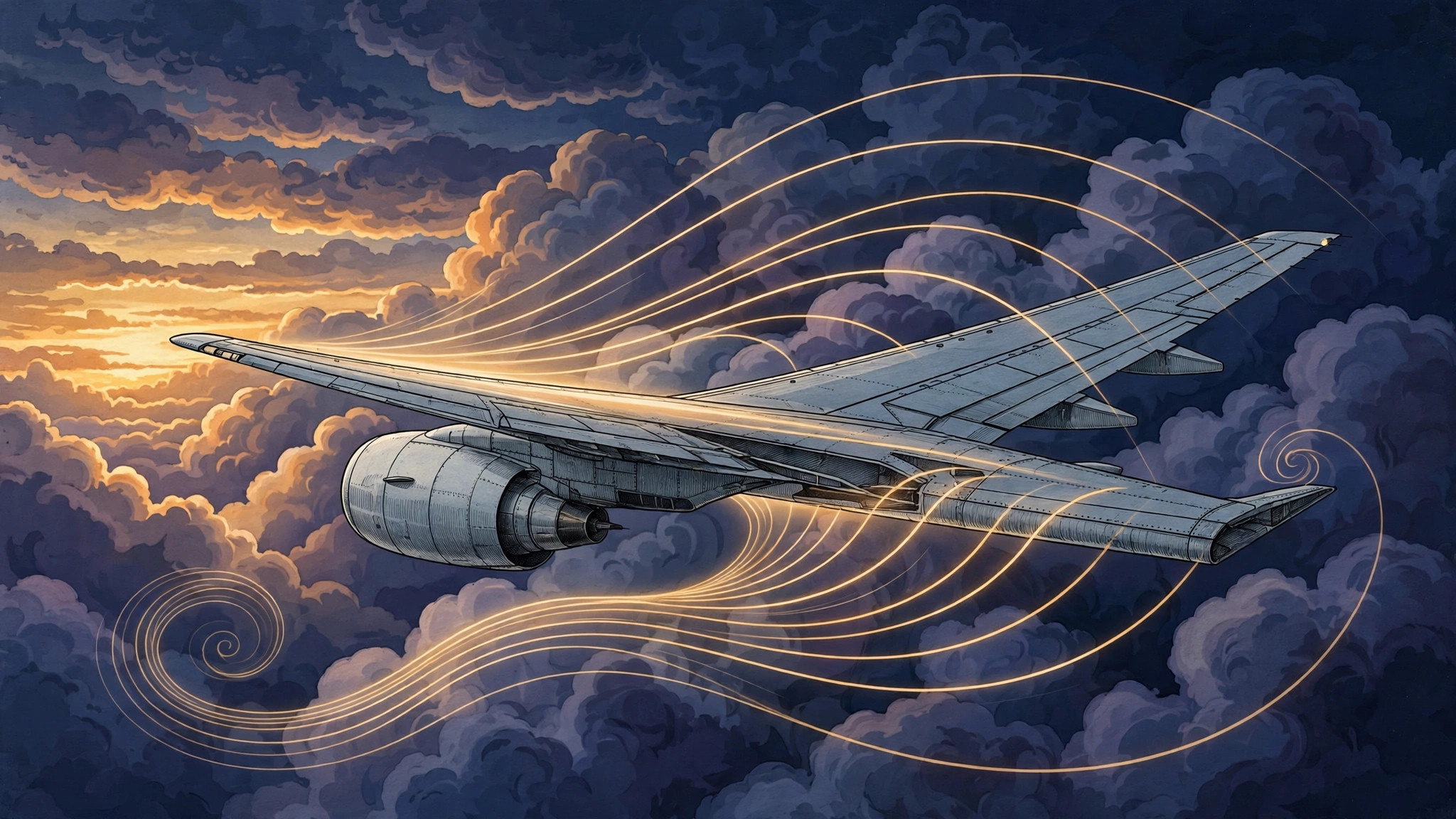
Airplanes fly because their wings push air downward — and the air pushes back up. That reaction force, plus lower pressure above the wing, is lift.