Why Does the US Use Fahrenheit? A Colonial Relic That Refused to Go
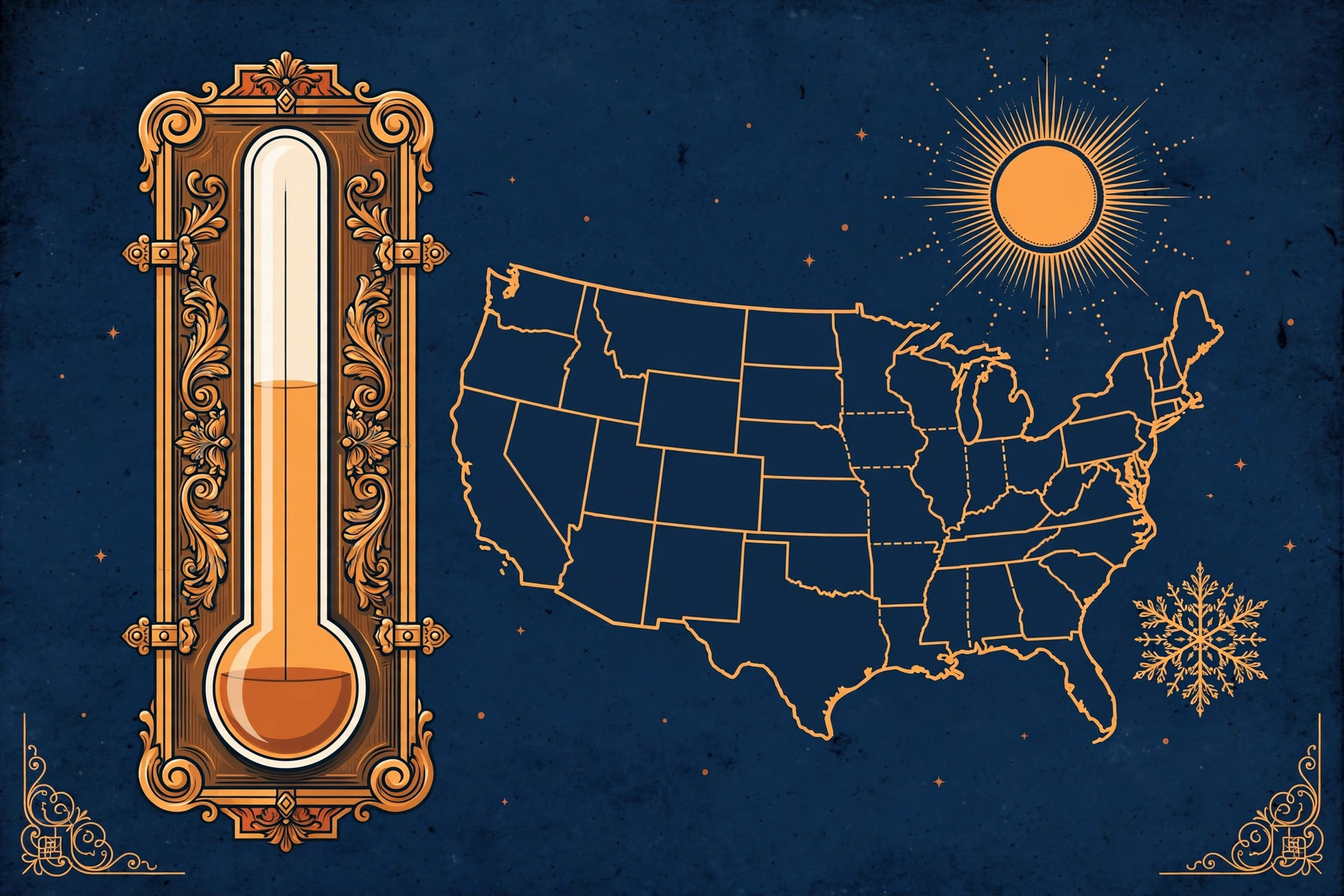
The US did not reject Celsius — it simply arrived first. Fahrenheit was already the standard before Celsius existed, and switching a whole country costs more than it saves.
Why does the US use Fahrenheit instead of Celsius? Not out of stubbornness, exactly — out of timing. America adopted Fahrenheit before Celsius even existed, and by the time the rest of the world switched, changing every thermometer, oven dial, weather forecast and road sign in the country looked like a cost with no payoff. So the US stayed put, and became the world's most famous holdout.
Why does the US use Fahrenheit: the scale came first
The Fahrenheit scale was created in the early 1700s by German physicist Daniel Gabriel Fahrenheit, who built some of the first reliable mercury thermometers. He set 0°F at the freezing point of a brine mixture and originally put body temperature near 96°F. The scale spread through the English-speaking world, and Britain carried it into the American colonies. When the United States was founded, Fahrenheit was simply the temperature scale everyone already used.
Celsius arrived later. In 1742, Swedish astronomer Anders Celsius proposed a scale with 100 degrees between water's freezing and boiling points — a natural fit for the metric system developed in revolutionary France. Britain eventually switched: the UK Met Office moved its weather forecasts to Celsius in 1961. The United States never followed.
Why America never switched
The main reason is inertia, sharpened by cost. By the mid-20th century, when metrication swept the world, American industry, weather reporting, cooking and everyday speech were all built on Fahrenheit. The 1975 Metric Conversion Act made metric adoption voluntary in the US, and public enthusiasm for switching never materialised — there was no crisis forcing the change, and no one wanted to relearn what "a hot day" feels like.
There is also a human-scale argument Fahrenheit's defenders make: its 0-to-100 range maps neatly onto everyday weather. A day of 0°F is bitterly cold, 100°F is scorching, and most human experience falls between — while the same range in Celsius runs from about −18°C to 38°C, less intuitive at a glance.
Who still uses Fahrenheit?
The US is the largest Fahrenheit country, but not the only one: the Bahamas, the Cayman Islands, Palau, the Marshall Islands and Micronesia also use it. Everywhere else uses Celsius — and even in America, scientists, doctors and the military work in Celsius behind the scenes. The National Weather Service's own forecast models run in Celsius; only the public-facing numbers are converted to Fahrenheit.
So the answer is a historical accident that hardened into habit: America got Fahrenheit first, the world changed around it, and nobody has yet found a reason to pay the price of catching up.
For more everyday science, read why the sky is blue and how hot a lightning bolt really is.
Questions, answered
Who still uses Fahrenheit?
The US is the largest Fahrenheit country, but not the only one: the Bahamas, the Cayman Islands, Palau, the Marshall Islands and Micronesia also use it. Everywhere else uses Celsius — and even in America, scientists, doctors and the military work in Celsius behind the scenes.
More mind-blowing facts
 Science
What Was the First Webcam? The Coffee Pot That Started It All
The first webcam was not built for fame or fortune. It was built so a handful of Cambridge researchers would stop climbing stairs for an empty coffee pot.
 Science
Why Do We See Lightning Before Thunder? Light Is Nearly a Million Times Faster Than Sound
Why do we see lightning before thunder? Both are born in the same instant — the flash is the discharge, the thunder is the air it superheats exploding outward. Light simply arrives first, by a huge margin.
 Science
How Do Airplanes Fly? The Real Science of Lift
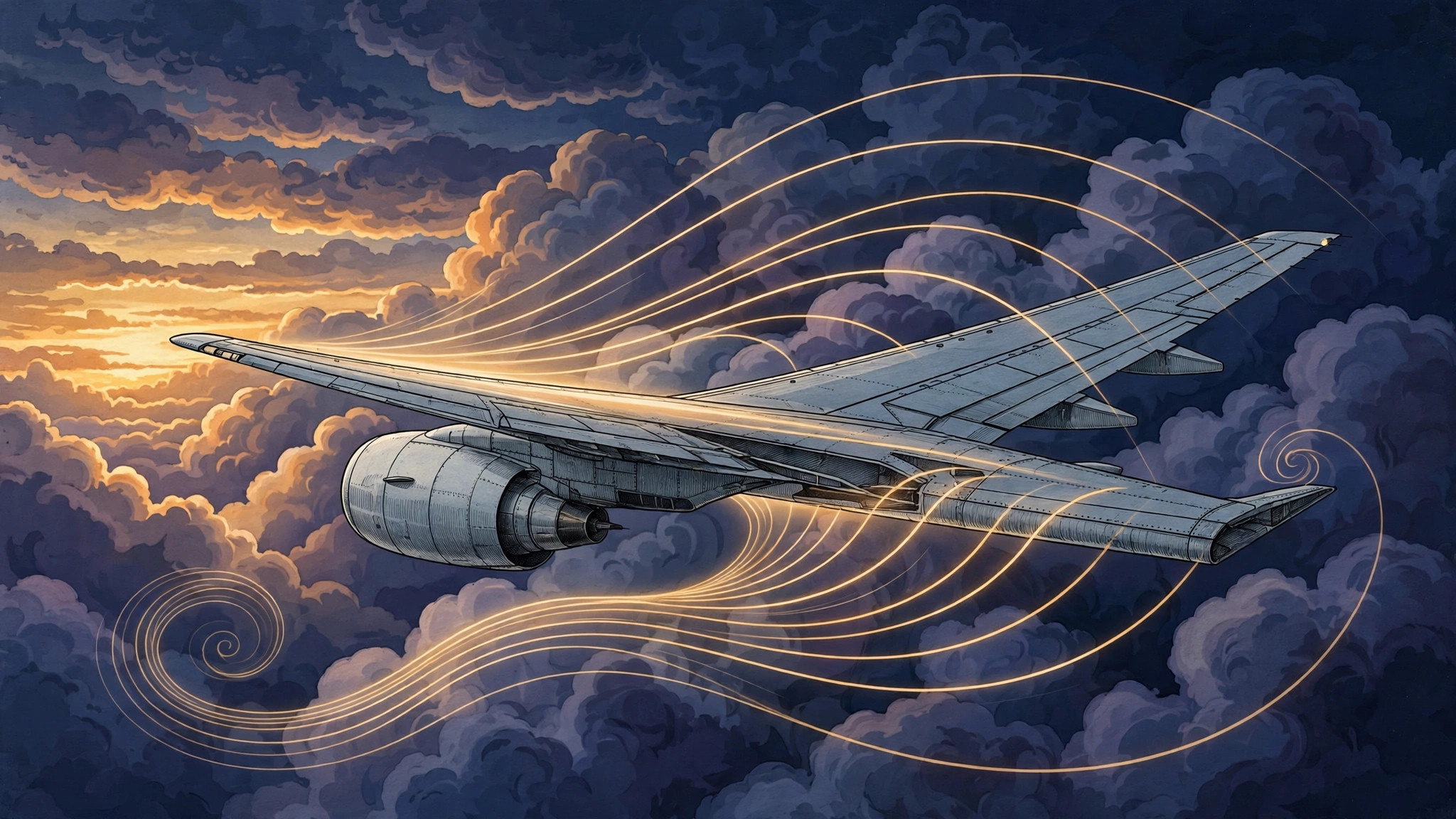
Airplanes fly because their wings push air downward — and the air pushes back up. That reaction force, plus lower pressure above the wing, is lift.