Why Do Cats Knead? The Science Behind "Making Biscuits" Behaviour
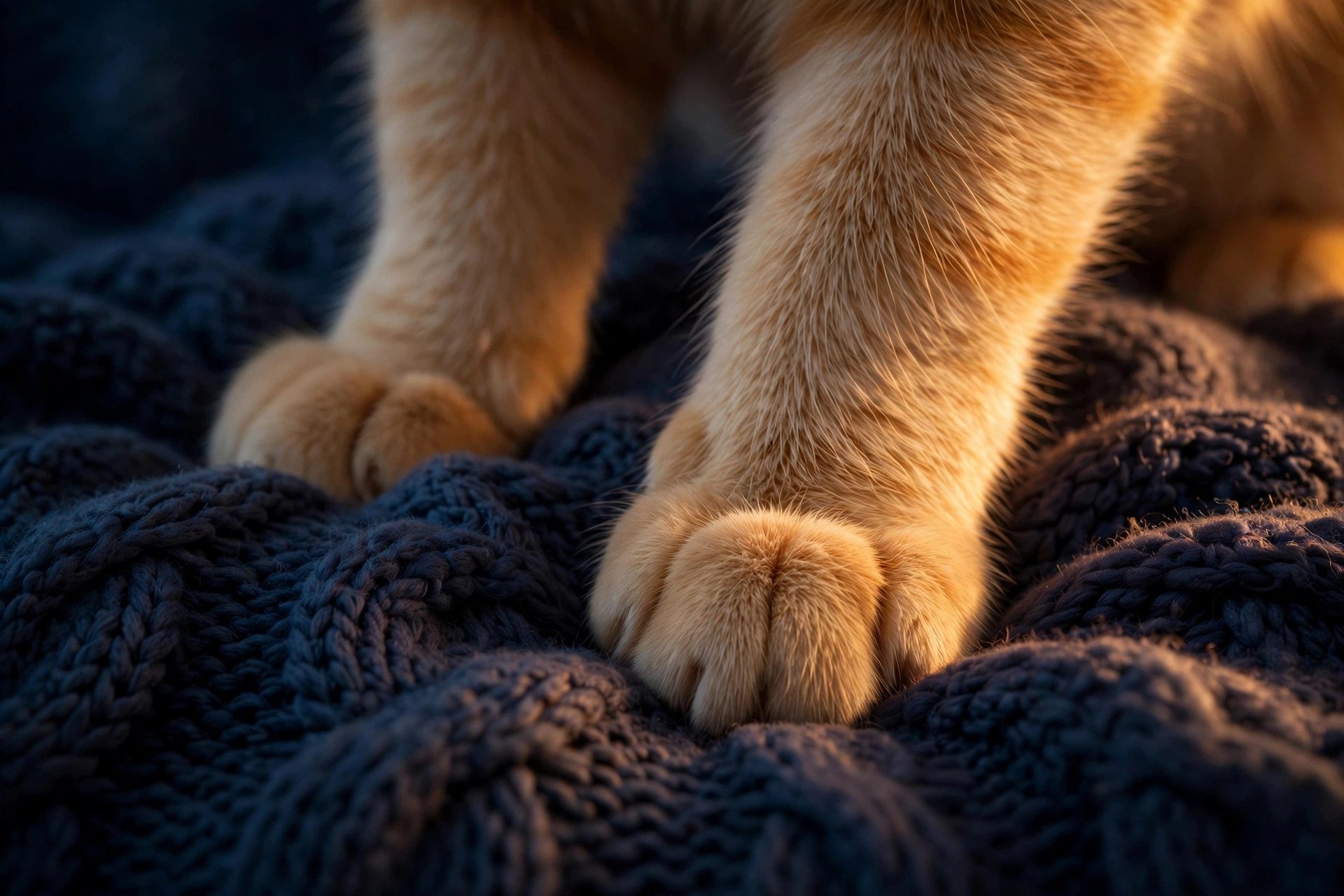
It looks like a tiny baker at work — but your cat's "making biscuits" routine is one of the oldest emotional habits in its life.
Why do cats knead? If you share your home with a cat, you have watched it: the slow, rhythmic push of the front paws into a cushion, a blanket or your lap, left paw, right paw, left paw. Cat owners call it "making biscuits" — and the real explanation goes all the way back to the first days of your cat's life.
Why do cats knead as kittens? Milk.
Kneading begins at birth. Newborn kittens instinctively press their tiny paws against their mother's mammary glands to stimulate milk flow while nursing. It is a survival reflex — the motion, the warmth and the closeness of the mother form one of the earliest positive sensory experiences a kitten ever has.
Why do adult cats keep kneading?
Adult cats no longer need milk, but the behaviour persists for life in most cats, through a phenomenon called neoteny — the retention of juvenile traits into adulthood. Researchers describe kneading as a "retained neonatal behaviour": the motion stays neurologically wired to feelings of safety, warmth and comfort, so performing it in adulthood appears to reactivate that state. That is why cats typically knead when they are relaxed, settling down, or bonding — often with half-closed eyes, purring, and sometimes a little drooling.
Cats knead to mark you as theirs
There is a second, chemical layer. Cats have scent glands between their paw pads that release pheromones. When your cat kneads your lap or a blanket, it deposits its scent on the surface — claiming it, gently, as familiar territory. This is the same instinct behind a cat rubbing its face on furniture or on you.
What does it mean when your cat kneads on you?
Read it as a compliment. Kneading on your lap is often described by feline behaviourists as a signal of affiliation — your cat is telling you, in the most literal way, "you're my person." Many cats also knead as a pre-sleep ritual, settling into a soft surface the way they once settled against their mother.
One practical note: if the claws come out, trim them regularly rather than scolding the behaviour. Kneading is comfort, not mischief — it is your cat revisiting the safest moments of its life, one paw-press at a time.
For another feline mystery, find out why cats purr — including the frequency range that may help them heal.
Questions, answered
Why do adult cats keep kneading?
Adult cats no longer need milk, but the behaviour persists for life in most cats, through a phenomenon called neoteny — the retention of juvenile traits into adulthood.
What does it mean when your cat kneads on you?
Read it as a compliment. Kneading on your lap is often described by feline behaviourists as a signal of affiliation — your cat is telling you, in the most literal way, "you're my person." Many cats also knead as a pre-sleep ritual, settling into a soft surface the way they once settled against their mother.
More mind-blowing facts
 Animals
Why Do Dogs Tilt Their Heads? The Science Behind the Adorable Tilt
Why do dogs tilt their heads? They are tuning their ears to locate a sound, seeing past their own muzzle, and concentrating on words they recognise — a sign your dog is paying close attention.
 Animals
How Do Bees Make Honey? From Flower Nectar to Golden Jar
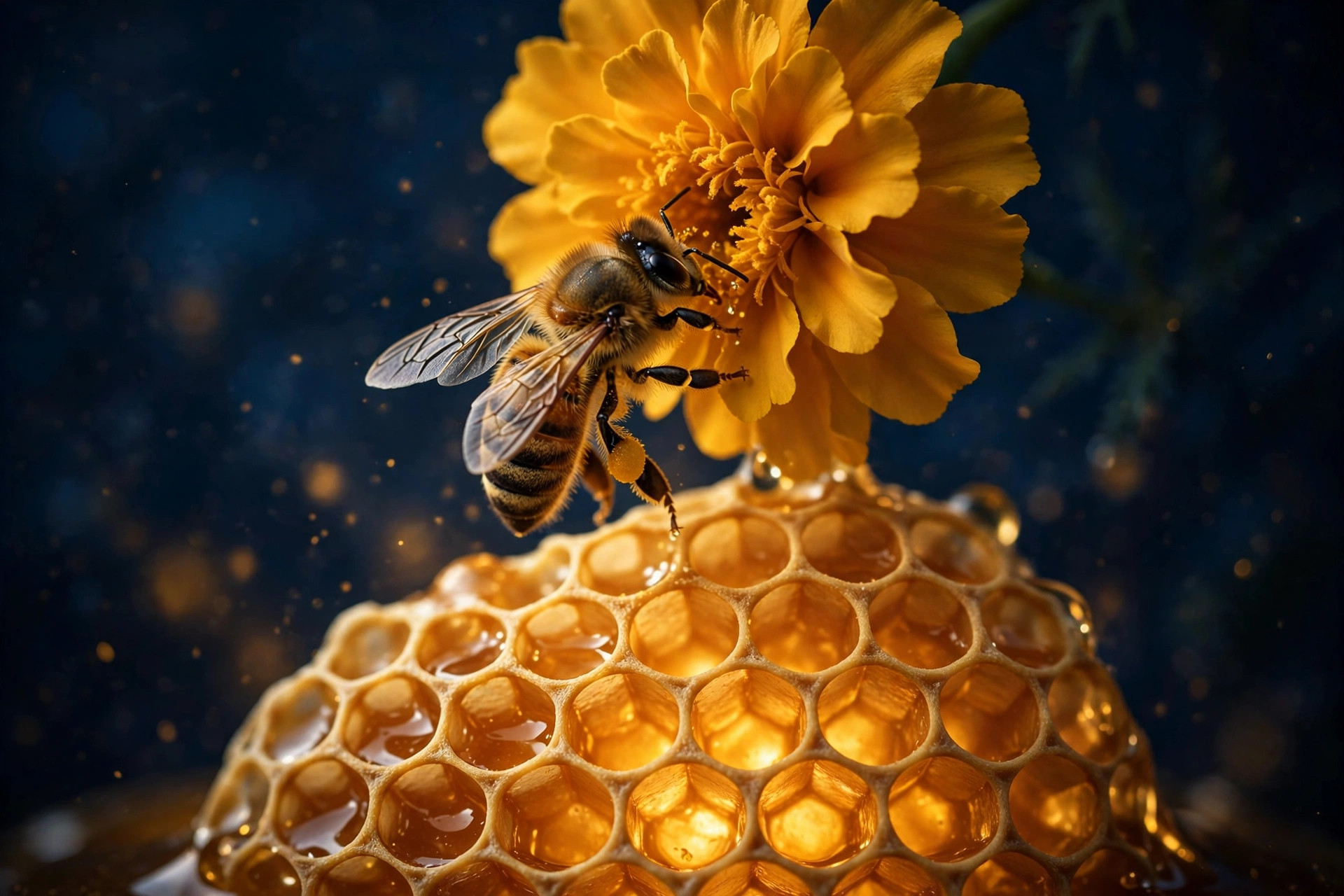
Bees make honey by collecting flower nectar, breaking down its sugars with enzymes, and fanning away most of its water until the thick golden result can be sealed in wax.
 Animals
Do Goldfish Have a Three-Second Memory? The Myth Debunked
The three-second goldfish memory is one of the most repeated animal myths — and it is wrong. Goldfish can remember for weeks or months.