How Do Fireflies Glow? Cold Light, Explained Simply
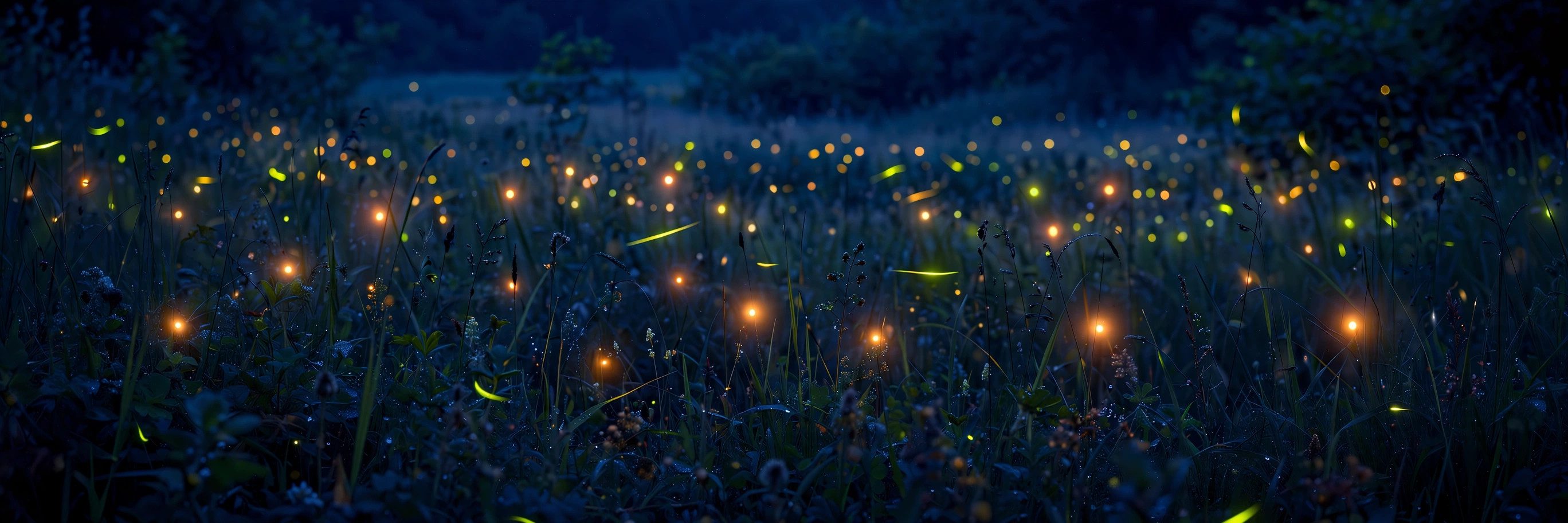
A firefly makes light without a filament, a battery or any real heat. Its glow is pure chemistry, switched on and off by controlling a single ingredient: oxygen.
How do fireflies glow on a summer night, flashing on and off without getting hot? A firefly — which is actually a beetle, not a fly — carries a small chemical light factory in its abdomen. When the ingredients meet in the right order, the reaction releases its energy as light instead of heat.
Scientists call light made by a living thing bioluminescence. The firefly version is one of the most efficient examples known.
How do fireflies glow? Luciferin plus luciferase
Two named ingredients do the central work. The first is luciferin, a light-producing molecule. The second is luciferase, an enzyme that speeds up its reaction. In the presence of oxygen, calcium and ATP — the molecule cells use to store energy — luciferase helps luciferin combine with oxygen.
The product of that reaction, oxyluciferin, is formed in an excited, high-energy state. As it settles back to its normal state, the extra energy escapes as a photon: a flash of yellow-green light, typically around 560 nanometres. According to Scientific American, this is why a firefly's light is described as cold light. A household bulb wastes most of its energy as heat; a firefly wastes very little, which matters, because a hot light organ would injure the insect.
How do they switch the flash on and off?
The switch is oxygen. Fireflies do not have lungs. Air reaches their tissues through a branching network of tiny tubes. By controlling how much oxygen reaches the light organ, the insect controls whether the reaction can run.
Nitric oxide helps explain the speed of the flash. Normally, mitochondria inside cells grab available oxygen for their own work. A signal from the firefly's brain triggers a brief release of nitric oxide, which temporarily takes oxygen's place in the mitochondria. Freed oxygen can then flow into the light organ and the flash begins. Nitric oxide breaks down quickly, oxygen is captured again, and the light goes out.
Each species uses its own pattern of flashes, mainly to find a mate. Flying males flash a code; females of the same species, waiting in the grass, answer with a timed reply. The glow can also serve as a warning, signalling to predators that the insect tastes unpleasant.
For another light display driven by nature, see what causes the northern lights — or, closer to home, why cats purr.
So a firefly's blink is not magic and not stored sunshine. It is chemistry, carefully rationed one breath of oxygen at a time.
Questions, answered
How do they switch the flash on and off?
The switch is oxygen. Fireflies do not have lungs. Air reaches their tissues through a branching network of tiny tubes. By controlling how much oxygen reaches the light organ, the insect controls whether the reaction can run.
More mind-blowing facts
 Animals
Why Do Dogs Tilt Their Heads? The Science Behind the Adorable Tilt
Why do dogs tilt their heads? They are tuning their ears to locate a sound, seeing past their own muzzle, and concentrating on words they recognise — a sign your dog is paying close attention.
 Animals
How Do Bees Make Honey? From Flower Nectar to Golden Jar
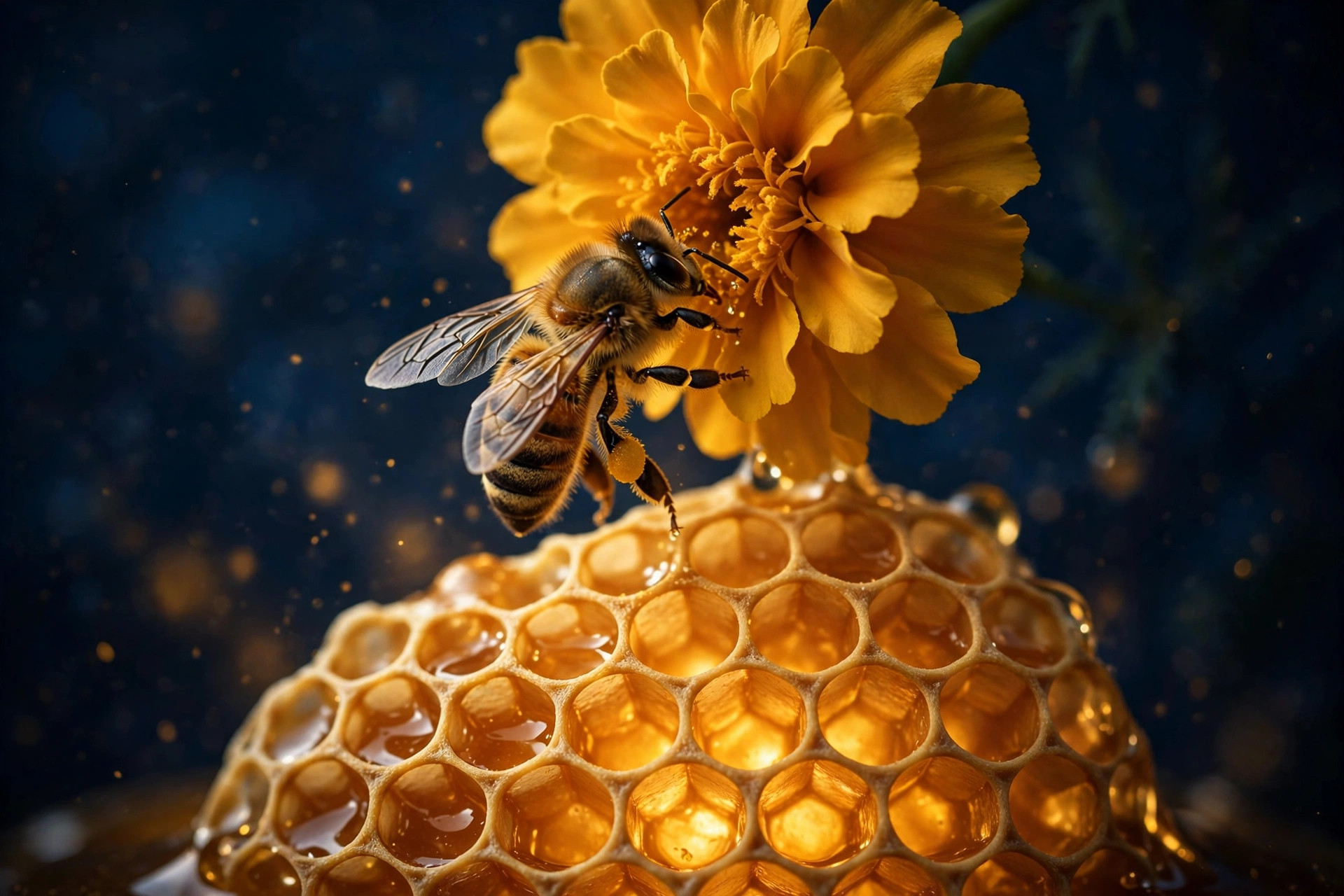
Bees make honey by collecting flower nectar, breaking down its sugars with enzymes, and fanning away most of its water until the thick golden result can be sealed in wax.
 Animals
Do Goldfish Have a Three-Second Memory? The Myth Debunked
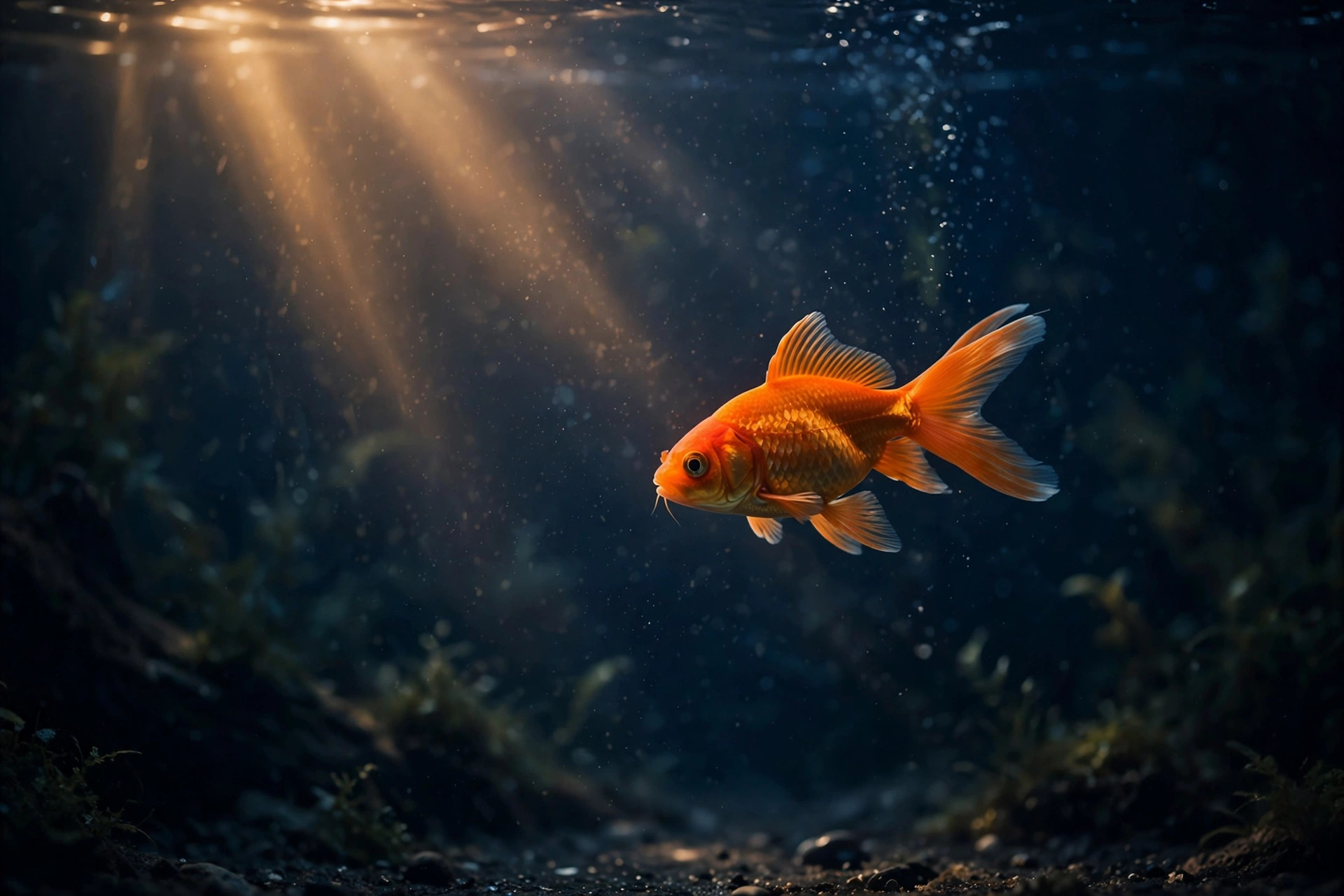
The three-second goldfish memory is one of the most repeated animal myths — and it is wrong. Goldfish can remember for weeks or months.