Why Do We Have Seasons? The Tilt That Changes Everything
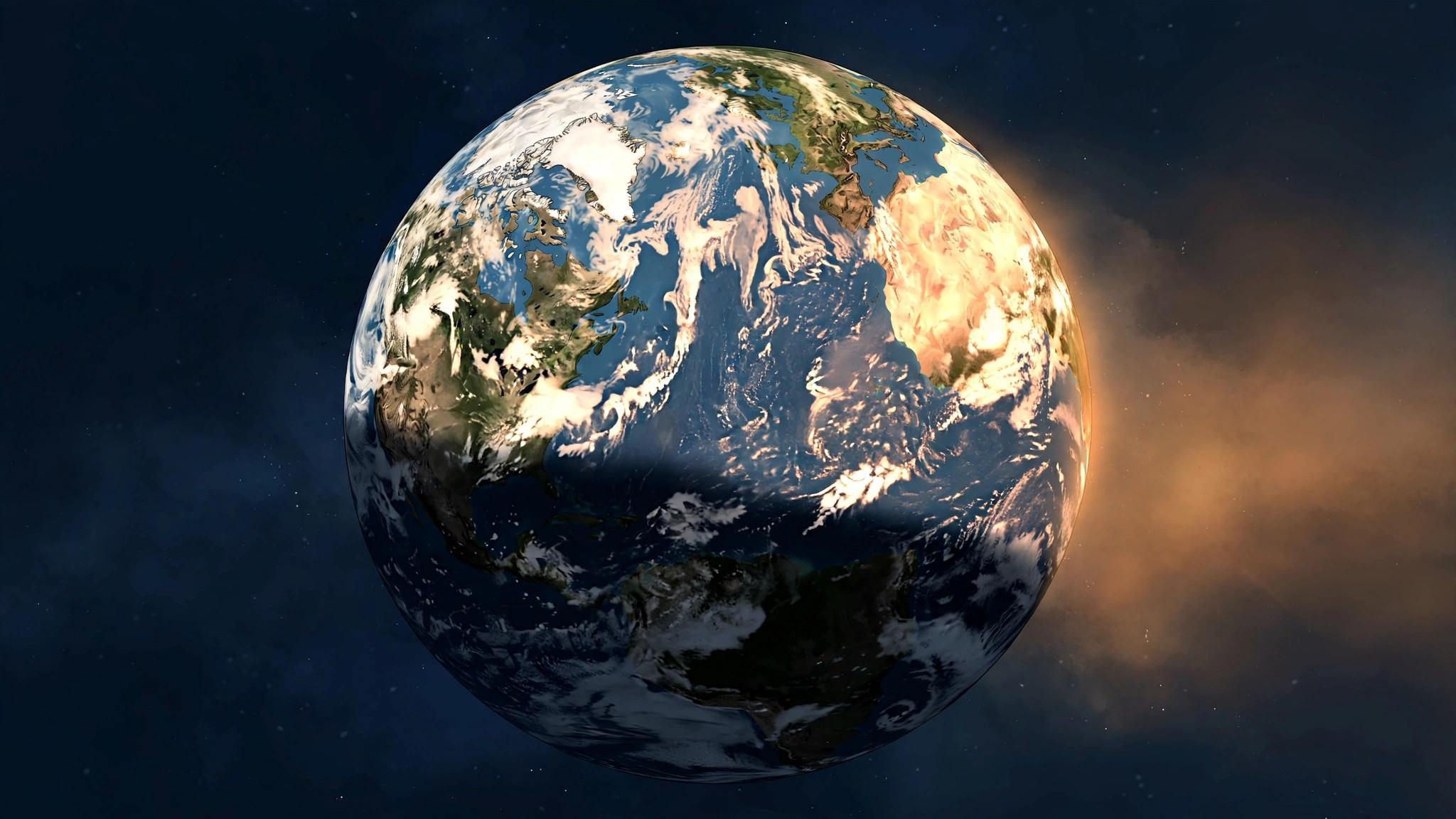
We have seasons because Earth leans 23.5 degrees on its axis — so each hemisphere takes turns leaning toward the Sun and away from it as the year goes by.
Why do we have seasons? Because Earth leans on its side. Our planet spins on an axis tilted about 23.5 degrees from vertical, and that tilt — not our distance from the Sun — is what gives us spring, summer, autumn and winter. As Earth travels around the Sun over the year, the tilt stays pointed in the same direction in space, so each hemisphere takes turns leaning toward the Sun and leaning away from it.
When your hemisphere leans toward the Sun, sunlight strikes the ground at a steep, direct angle and the days are long. More solar energy lands on each patch of ground, and less of it is scattered away in the atmosphere — so it warms up. Six months later the same hemisphere leans away: the Sun sits low in the sky, its light arrives at a shallow angle spread over more ground, and the days are short. That is winter.
Why do we have seasons if Earth is closest to the Sun in January?
Distance is the most common wrong answer, and the calendar proves it false. Earth is actually closest to the Sun — perihelion — in early January, in the middle of the northern winter. It is farthest away — aphelion — in early July, during the northern summer. The distance changes by only about 3% — far too little to drive the seasons, says the US National Weather Service.
What changes dramatically through the year is the angle of the sunlight. Think of a torch shining straight down onto a table versus at a slant: the straight-down beam makes a small, bright, hot patch, while the slanted beam spreads the same light over a much larger, dimmer area. Summer is the straight-down beam; winter is the slanted one.
The tilt also explains why the seasons are opposite in the two hemispheres. When the Northern Hemisphere leans toward the Sun in June, the Southern Hemisphere leans away — so June is summer in New York and winter in Sydney. Near the equator the seasonal swing is small; near the poles it is extreme, with months of midnight sun and months of darkness.
Solstices and equinoxes mark the turning points
Twice a year the tilt reaches its extreme. On the June solstice the Sun stands directly over the Tropic of Cancer, the Northern Hemisphere's longest day; on the December solstice it stands over the Tropic of Capricorn and the south gets its longest day. In between, the March and September equinoxes are the days when neither hemisphere leans toward the Sun, so day and night are nearly equal worldwide.
Without the tilt there would be no seasons at all: every place on Earth would receive roughly the same amount of sunlight every day of the year. The leaves turning colour each autumn, the long summer evenings and the short winter days are all the same story — one leaning planet, circling the Sun, taking turns in the light. Like why the sky is blue, it is everyday physics hiding in plain sight.
Questions, answered
Why do we have seasons if Earth is closest to the Sun in January?
Distance is the most common wrong answer, and the calendar proves it false. Earth is actually closest to the Sun — perihelion — in early January, in the middle of the northern winter. It is farthest away — aphelion — in early July, during the northern summer.
More mind-blowing facts
 Science
What Was the First Webcam? The Coffee Pot That Started It All
The first webcam was not built for fame or fortune. It was built so a handful of Cambridge researchers would stop climbing stairs for an empty coffee pot.
 Science
Why Do We See Lightning Before Thunder? Light Is Nearly a Million Times Faster Than Sound
Why do we see lightning before thunder? Both are born in the same instant — the flash is the discharge, the thunder is the air it superheats exploding outward. Light simply arrives first, by a huge margin.
 Science
How Do Airplanes Fly? The Real Science of Lift
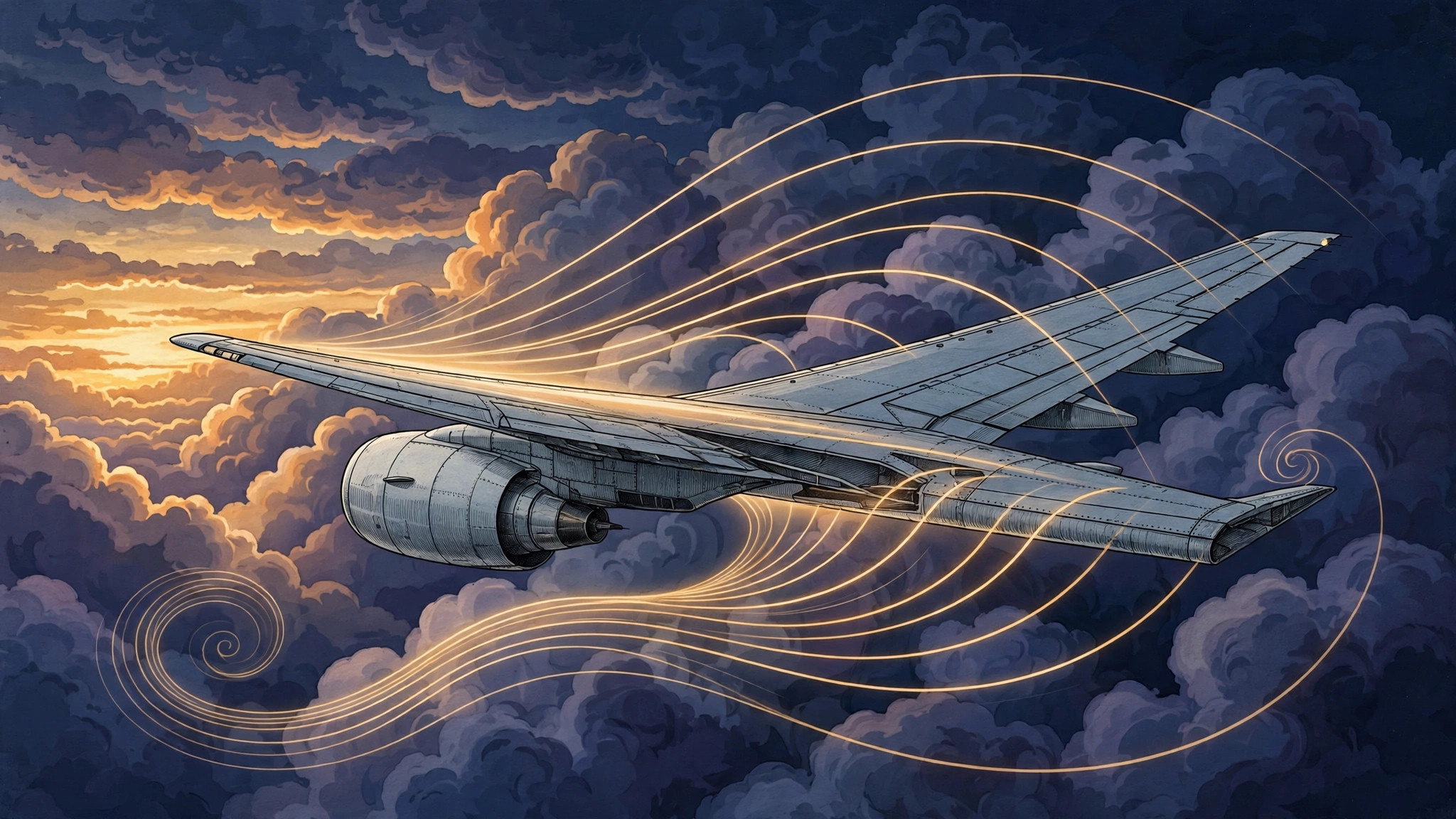
Airplanes fly because their wings push air downward — and the air pushes back up. That reaction force, plus lower pressure above the wing, is lift.