Why Was Candy Corn Called "Chicken Feed"?
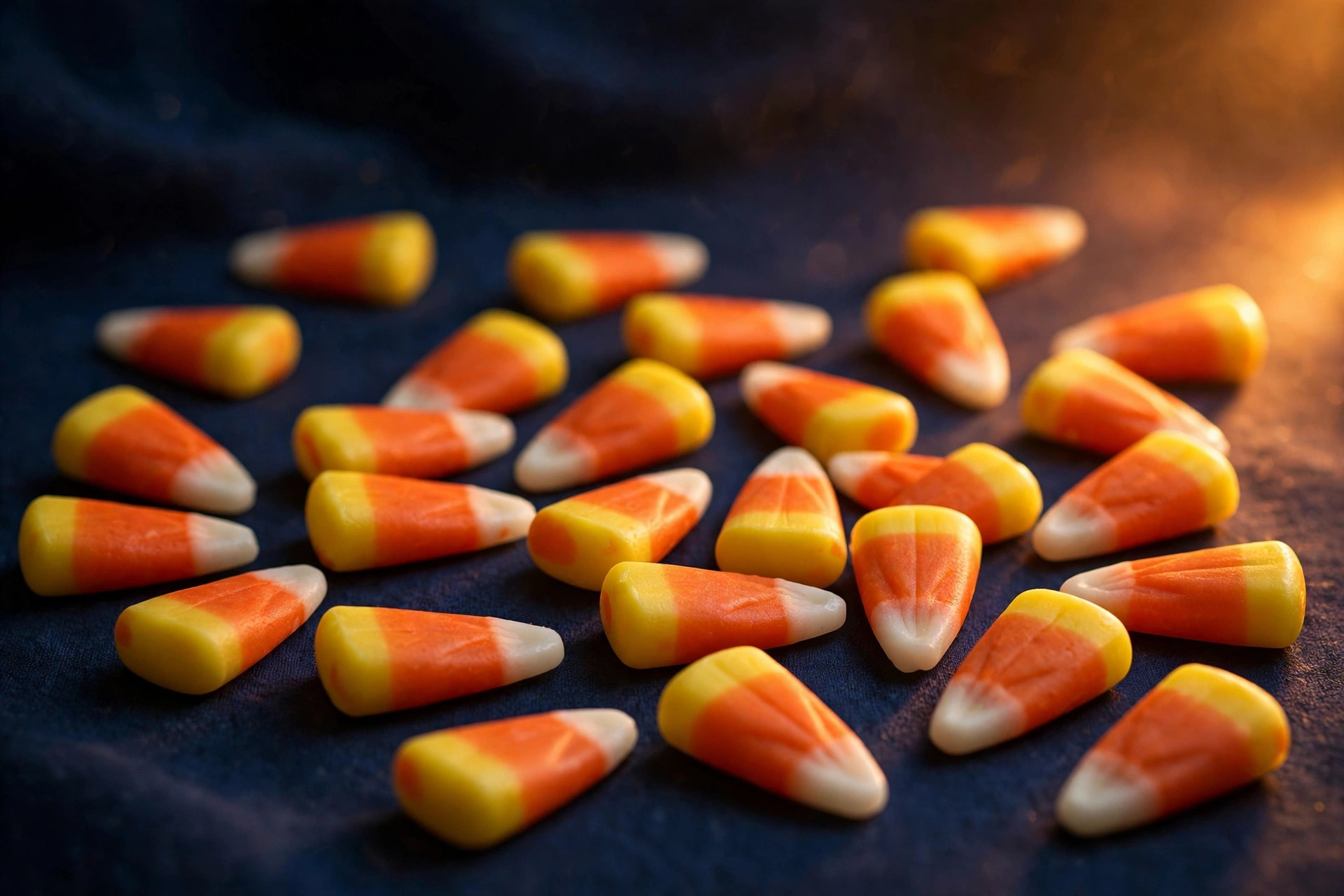
America's most divisive Halloween sweet started life with a very unappetising name — and the joke was the whole point.
Why was candy corn called "Chicken Feed"? The answer is one of the best marketing jokes of the 19th century: the sweet was deliberately shaped and named like the corn farmers threw to their chickens, because when it was invented, corn was considered animal food — not people food.
Who invented candy corn, and when?
Candy corn is generally credited to George Renninger, a confectioner at the Wunderle Candy Company in Philadelphia, who developed the tri-coloured sweet in the 1880s. The yellow base, orange middle and white tip were unusual for candy at the time, and the whole piece was designed to look like a kernel of field corn — agricultural imagery was hugely popular in confectionery then.
A few years later, in 1898, the Goelitz Confectionery Company (the firm that eventually became Jelly Belly) took up the recipe. Goelitz was the company that sold the candy under the name "Chicken Feed" — the box printed with a rooster and the slogan "Something worth crowing for."
Why was candy corn called Chicken Feed?
In the late 1800s, before the First World War, corn was not considered a staple for human consumption. More than half of Americans lived in rural areas, and corn was the crop you fed to chickens and pigs. Calling a candy "Chicken Feed" was a cheeky nod to its shape and its farm-country looks, and it spoke directly to an agrarian audience. Samira Kawash, writing for The Atlantic, notes that it was not until wartime wheat shortages in 1917 that most Americans considered corn products acceptable everyday food.
The original manufacturing was laborious: workers hand-poured heated slurry of sugar, water and corn syrup into kernel-shaped moulds, three separate pours for the three coloured layers — white tip first, then orange, then yellow.
How "Chicken Feed" became Halloween's candy
Candy corn did not become a Halloween icon straight away. It was a penny candy sold in bulk at general stores for decades. The turning point came in the 1950s, when door-to-door trick-or-treating took off after wartime sugar rationing ended. Candy corn's harvest imagery made it a natural fit, and a dramatic spike in October advertising cemented it as the Halloween sweet.
Today the numbers are enormous: around 35 million pounds of candy corn are made every year, with Brach's Confections the biggest producer — nearly 7 million of the roughly 9 million kernels made each year. And October 30 is officially National Candy Corn Day, the day before Halloween.
So the next time someone offers you "Chicken Feed," take the joke in the spirit it was intended — 130 years later, the chicken-feed name is gone, but the kernel-shaped candy is still going strong.
For another Halloween origin story, see why we carve pumpkins instead of turnips on Halloween — and for the science of autumn colour, why leaves change colour in autumn.
Questions, answered
Who invented candy corn, and when?
Candy corn is generally credited to George Renninger, a confectioner at the Wunderle Candy Company in Philadelphia, who developed the tri-coloured sweet in the 1880s.
Why was candy corn called Chicken Feed?
In the late 1800s, before the First World War, corn was not considered a staple for human consumption. More than half of Americans lived in rural areas, and corn was the crop you fed to chickens and pigs. Calling a candy "Chicken Feed" was a cheeky nod to its shape and its farm-country looks, and it spoke directly to an agrarian audience.
More mind-blowing facts
 Food
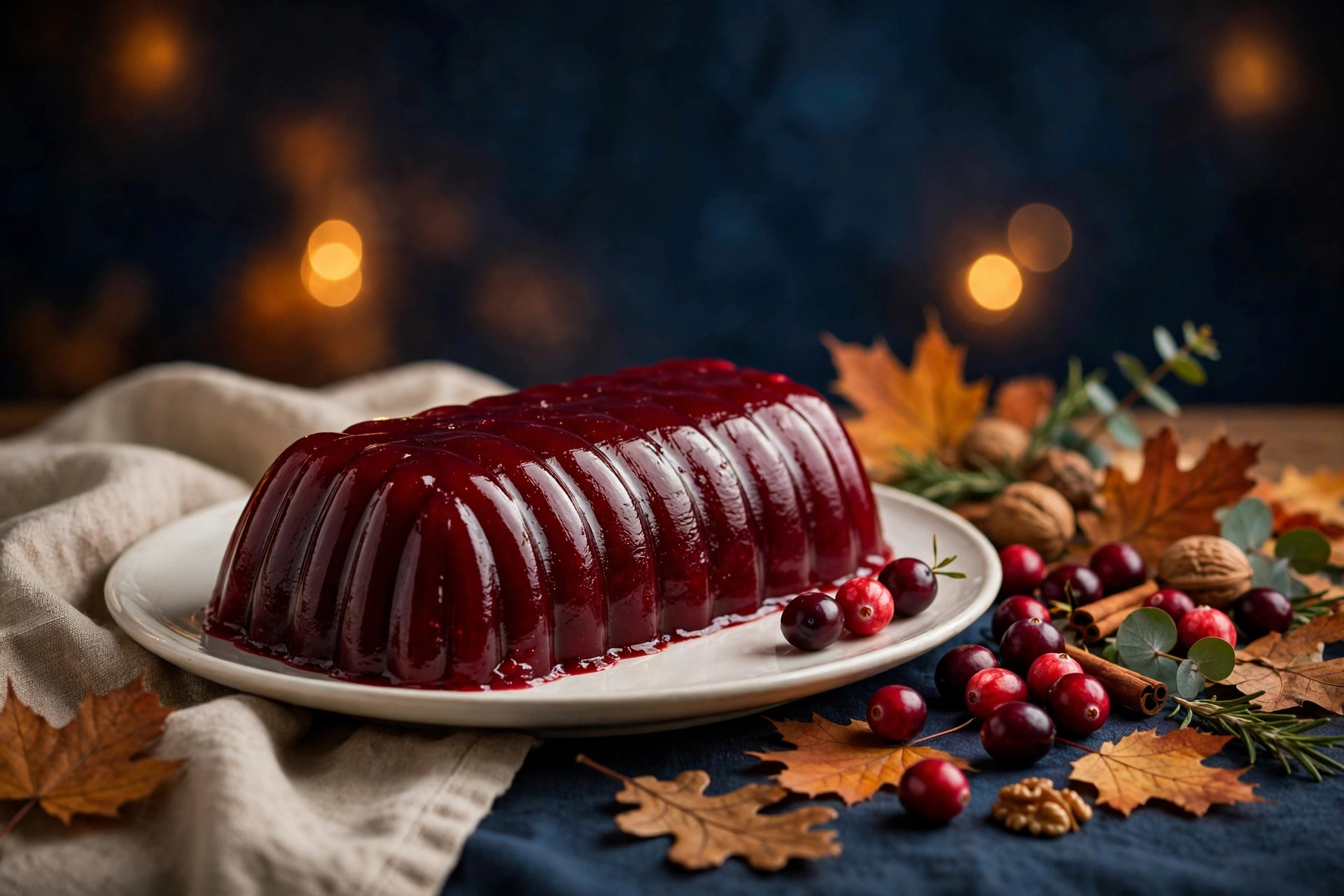
Why Do We Eat Cranberry Sauce on Thanksgiving? From Bogs to Cans
Cranberry sauce reached the Thanksgiving table because the berry is native to North America, an 1796 cookbook paired it with turkey, and canning made it cheap and year-round.
 Nature
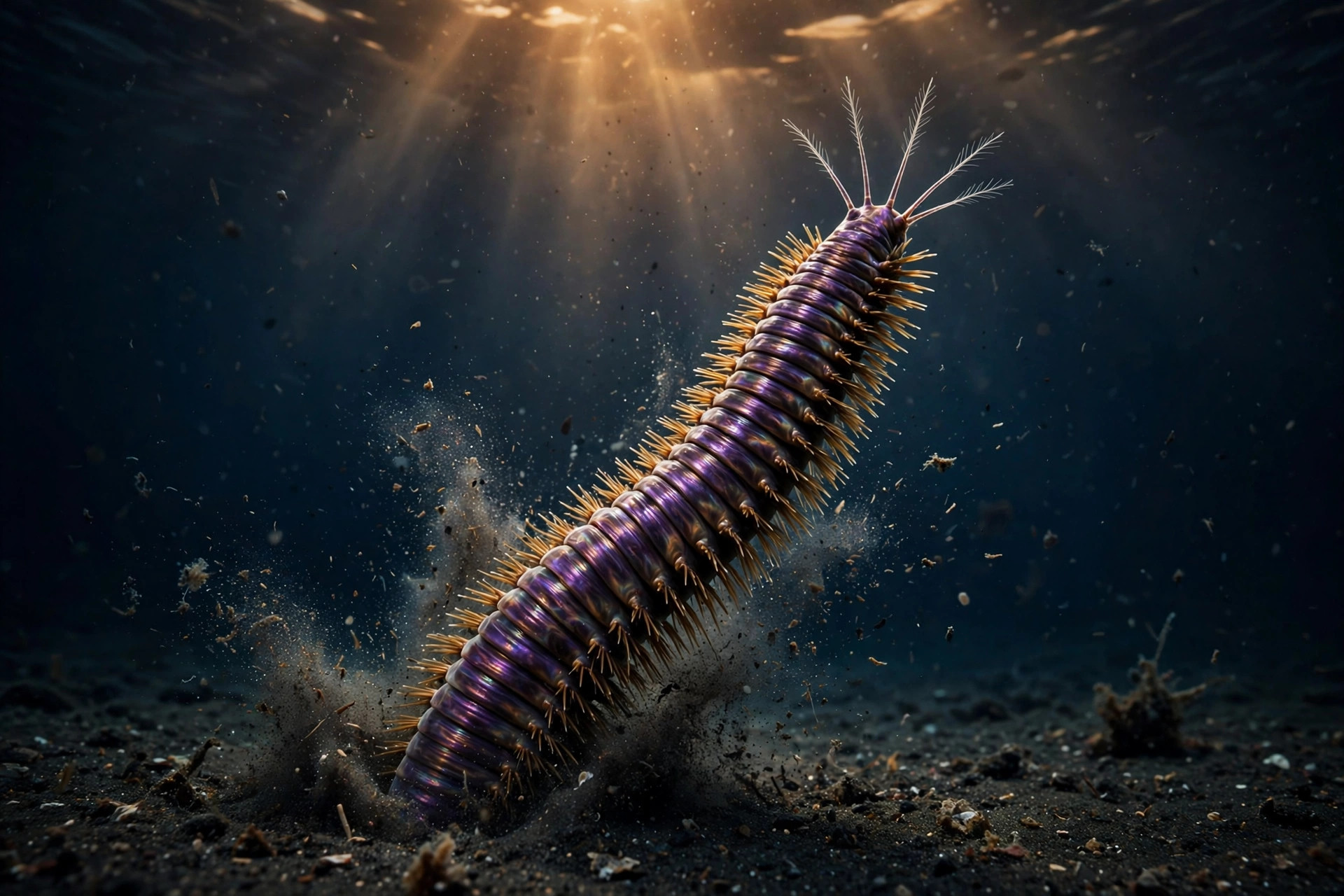
What Is a Bobbit Worm? The 3-Metre Ambush Predator Under the Sand
The bobbit worm is a giant bristle worm that hides in the seabed and ambushes passing fish with scissor-like jaws — the longest polychaete worm on record.
 Mind
Why Do We Get Déjà Vu? The Brain Glitch Behind "Already Seen
Déjà vu is a brief mismatch between familiarity and memory — your brain flags a new scene as familiar, then catches the error a moment later.