Why Do We Carve Pumpkins on Halloween? The Turnip Came First
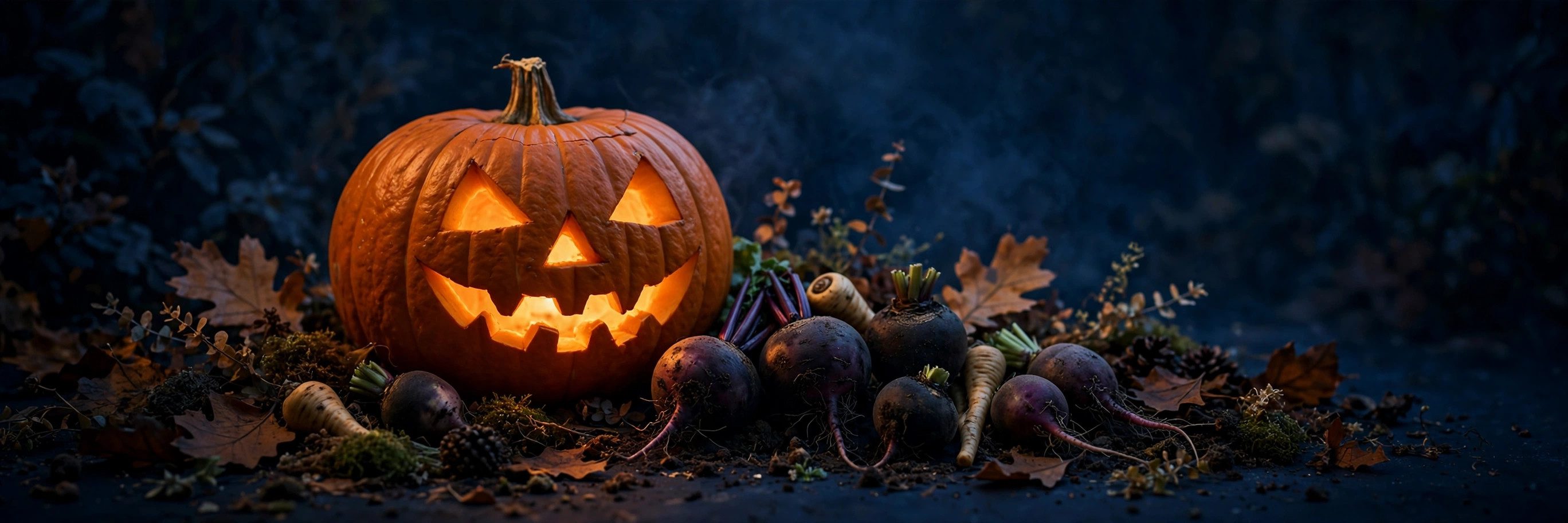
The glowing pumpkin on your porch started life as a carved turnip on an Irish windowsill — with a legend of a trickster and the Devil behind it.
Why do we carve pumpkins on Halloween? Because 19th-century Irish immigrants did — and they were improvising. The original jack-o'-lanterns were not pumpkins at all. In Ireland, people carved faces into turnips and set them on windowsills to ward off wandering spirits on Halloween night.
Why we carve pumpkins on Halloween: the turnip came first
Long before pumpkins, households in Ireland, Scotland and the Isle of Man carved lanterns out of turnips, mangel-wurzels, beets, potatoes and swedes. Metal lanterns were expensive, so a hollowed-out root vegetable with a burning ember or candle inside did the job — and the National Museum of Ireland holds a "ghost turnip" carved in Donegal around 1900. The carved vegetables were placed on windowsills and doorways on Samhain, the Celtic festival marking the end of harvest season and the start of winter.
Who was Stingy Jack?
The name "jack-o'-lantern" comes from Irish folklore about Stingy Jack, a disreputable trickster who cheated the Devil more than once. In one version he tricks the Devil into climbing a tree for apples, then carves crosses around the trunk so the Devil cannot climb down — and only frees him after the Devil promises never to claim his soul.
When Jack dies, heaven rejects him for his life of sin, and the Devil — bound by his promise — cannot take him either. So Jack is condemned to wander the earth, carrying a burning coal the Devil threw him to light the way. Jack places the coal inside a hollowed-out turnip, becoming "Jack of the Lantern" — later shortened to jack-o'-lantern.
Why did the turnip become a pumpkin?
When Irish immigrants brought the custom to North America in the 19th century, they discovered the pumpkin — a fruit native to the Americas. Pumpkins were bigger, softer, more plentiful, and far easier to hollow out and carve than dense turnips. The switch was practical, and the pumpkin quickly became the symbol of Halloween, ripening conveniently near harvest season in October.
The word "jack-o'-lantern" itself is even older: it appears in England in the 1660s for the marsh lights known as will-o'-the-wisp, and the Oxford English Dictionary dates its first use for a carved vegetable lantern to 1837.
So the glowing pumpkin on your porch is really an Irish turnip in American dress — a Celtic spirit-warding ritual that crossed an ocean, found a better canvas, and became the most recognisable symbol of Halloween.
For more Halloween history, read why candy corn was once sold as "Chicken Feed" — and for the science behind the season, see why leaves change colour in autumn.
Questions, answered
Who was Stingy Jack?
The name "jack-o'-lantern" comes from Irish folklore about Stingy Jack, a disreputable trickster who cheated the Devil more than once. In one version he tricks the Devil into climbing a tree for apples, then carves crosses around the trunk so the Devil cannot climb down — and only frees him after the Devil promises never to claim his soul.
Why did the turnip become a pumpkin?
When Irish immigrants brought the custom to North America in the 19th century, they discovered the pumpkin — a fruit native to the Americas. Pumpkins were bigger, softer, more plentiful, and far easier to hollow out and carve than dense turnips.
More mind-blowing facts
 History
What Was the First Speeding Ticket? 8 mph in 1896
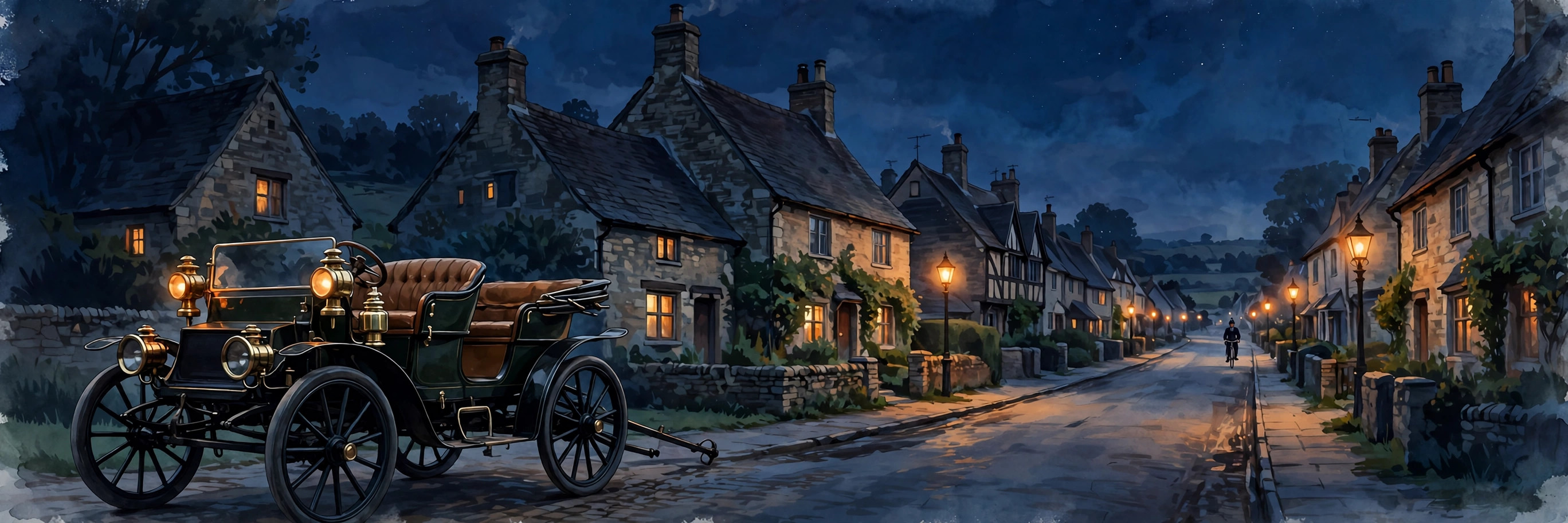
The first speeding ticket in history was issued for driving at 8 mph — four times the legal limit of 2 mph — and the officer who caught the driver was on a bicycle.
 History
Why Did Einstein Turn Down the Presidency of Israel?
In November 1952, Albert Einstein was offered the presidency of Israel. He declined within a day — and his reason was strikingly honest.
 History
Why Do We Say "Break a Leg"? The Theatre Superstition Explained
We say "break a leg" because theatre folk believe wishing a performer "good luck" will jinx the show — so they wish the opposite instead, hoping fate returns the favour.