Why Do We Eat Cranberry Sauce on Thanksgiving? From Bogs to Cans
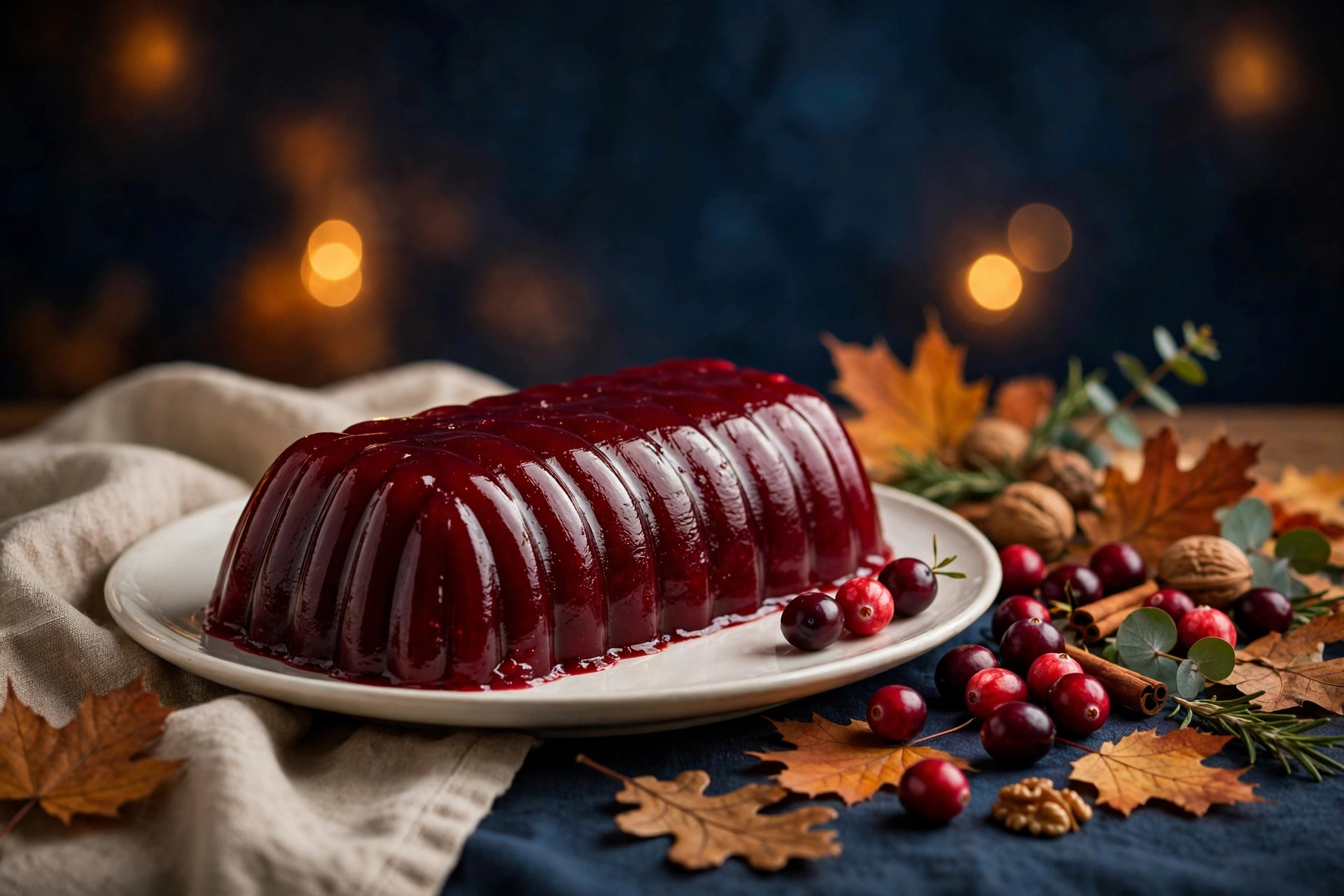
Cranberry sauce reached the Thanksgiving table because the berry is native to North America, an 1796 cookbook paired it with turkey, and canning made it cheap and year-round.
Why do we eat cranberry sauce on Thanksgiving? Because the cranberry is one of only three fruits commercially grown that are native to North America — and because a canning breakthrough in 1912 turned a short-season New England berry into a dish every American household could put on the table. The jiggly, ridged cylinder that slides out of the can is now so tied to the holiday that most Americans eat cranberry sauce almost nowhere else. Its roots, though, go back long before the can.
Native Americans were using cranberries for food, dye and medicine long before the Pilgrims arrived. The Wampanoag, who feasted with the settlers in 1621, already knew the berry — though whether cranberries were served at that first Thanksgiving is unknown, and if they were, they would have tasted nothing like today's sweetened sauce, since the settlers had not yet learned to grow sugar cane. A 1672 account records that "Indians and English use it much, boyling them with Sugar for a Sauce to eat with their Meat." Then, in 1796, Amelia Simmons's American Cookery — the first cookbook published in the United States — recommended roast turkey served with cranberry sauce, a pairing that stuck.
Why do we eat cranberry sauce on Thanksgiving? The can that made it national
For a century the sauce stayed regional. Cranberries grow only in cold, boggy ground, mostly in Massachusetts and later Wisconsin, and the fresh harvest lasts just a few weeks each autumn. The turning point came with Marcus L. Urann, a lawyer who bought a cranberry bog around 1900. Wet harvesting — flooding the bogs so the berries float free — made picking far more efficient, but it also damaged many berries, which shoppers would not buy fresh. In 1912 Urann began cooking the surplus into canned cranberry sauce at a packinghouse in Hanson, Massachusetts, selling it locally. The jellied log that Americans recognise today became available nationwide in 1941, and the growers' cooperative behind it is now known as Ocean Spray.
So the sauce survived on the Thanksgiving table for three reasons at once: the berry is genuinely American, the turkey pairing was printed in the nation's first cookbook, and the can made it cheap, shelf-stable and available everywhere. Like the turkey itself, cranberry sauce became a Thanksgiving tradition not by proclamation but by habit — a regional food that the canning industry carried into every kitchen in the country.
More mind-blowing facts
 Food
Why Was Candy Corn Called "Chicken Feed"?
America's most divisive Halloween sweet started life with a very unappetising name — and the joke was the whole point.
 Nature
What Is a Bobbit Worm? The 3-Metre Ambush Predator Under the Sand
The bobbit worm is a giant bristle worm that hides in the seabed and ambushes passing fish with scissor-like jaws — the longest polychaete worm on record.
 Mind
Why Do We Get Déjà Vu? The Brain Glitch Behind "Already Seen
Déjà vu is a brief mismatch between familiarity and memory — your brain flags a new scene as familiar, then catches the error a moment later.