Why Is the Sky Blue? The Scattering Science Explained
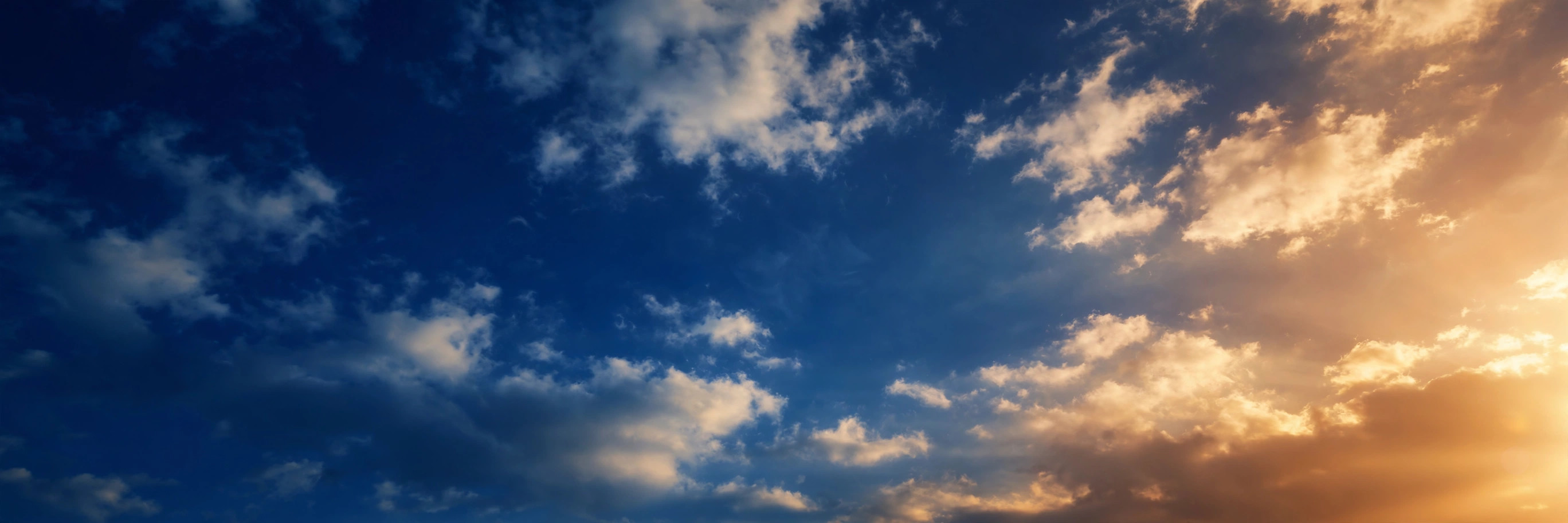
Sunlight looks white, yet the sky overhead is blue. The colour is not in the light itself — it is in what the air does to that light on its way to your eyes.
Why is the sky blue when sunlight itself looks white? Sunlight is not a single colour. It is a mixture of the whole rainbow, and each colour travels as a wave with its own wavelength. Blue and violet light have short, choppy waves. Red and orange light have longer, more stretched waves. That difference decides what happens when sunlight meets the air.
The sky is not blue because the air is tinted. It is blue because the air sorts the sunlight for us.
Why is the sky blue? Rayleigh scattering does the sorting
As sunlight enters the atmosphere, it bumps into gas molecules that are far smaller than the wavelength of visible light. Those tiny molecules scatter short wavelengths far more efficiently than long ones — an effect named Rayleigh scattering, after the British physicist Lord Rayleigh.
The rule is steep. Scattered intensity rises with the fourth power of frequency, so blue light is scattered roughly ten times as strongly as red light. Instead of travelling straight on, blue light is bounced in every direction across the sky. Whichever way you look, some of that scattered blue reaches your eyes, so the whole dome overhead appears blue.
Violet is actually scattered even more than blue. You do not see a violet sky for two reasons: the Sun emits less violet than blue, and our eyes are much less sensitive to violet. Some violet is also absorbed high in the atmosphere. Blue wins what our eyes can actually register.
Why do sunsets turn orange and red?
At midday, sunlight takes a short path through the air. Near sunset, it takes a much longer, slanted path. By the time that light reaches you, most of the blue has already been scattered away in other directions. What is left is weighted towards the longer wavelengths that scatter least — yellow, orange and red.
Clouds behave differently because their water droplets are large compared with the wavelength of light. They scatter colours more evenly, which is why clouds usually look white or grey rather than blue. Without any atmosphere at all, there would be almost no scattering, and the daytime sky would look dark, as astronauts see from orbit.
For another colour effect high above us, see what causes the northern lights, and for a very different water puzzle, why the ocean is salty but rivers are not.
So the blue sky is really scattered sunlight, filtered by physics and by human vision — a daily reminder that white light was never as simple as it looked.
Questions, answered
Why do sunsets turn orange and red?
At midday, sunlight takes a short path through the air. Near sunset, it takes a much longer, slanted path. By the time that light reaches you, most of the blue has already been scattered away in other directions. What is left is weighted towards the longer wavelengths that scatter least — yellow, orange and red.
More mind-blowing facts
 Science
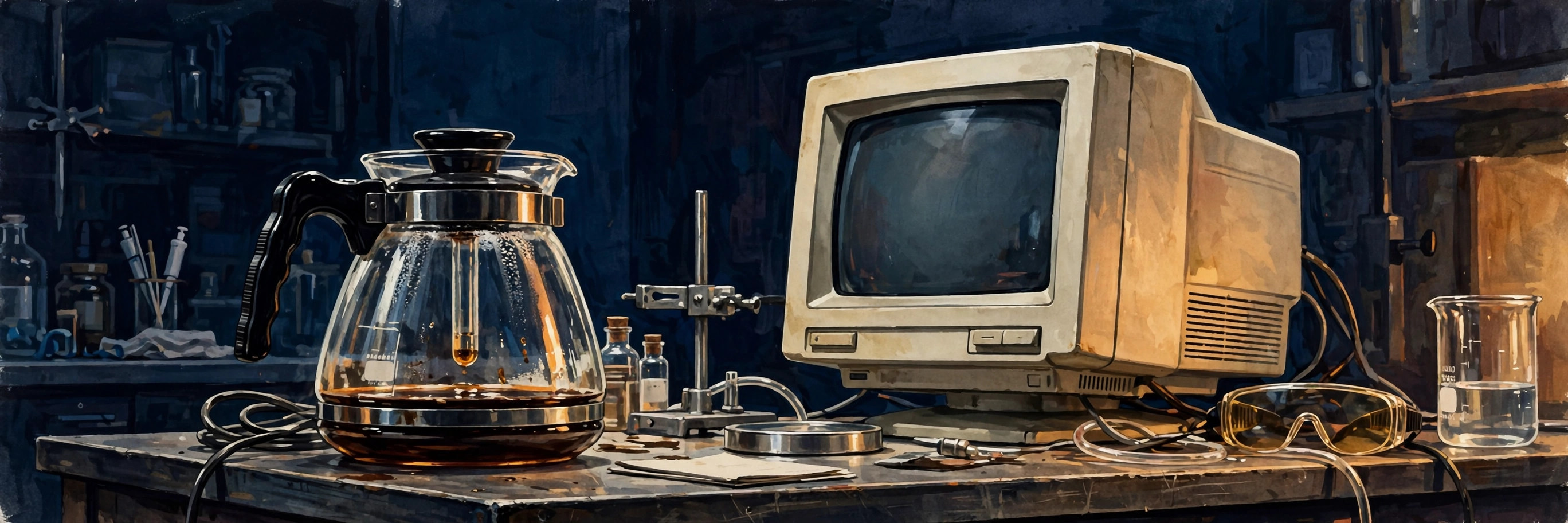
What Was the First Webcam? The Coffee Pot That Started It All
The first webcam was not built for fame or fortune. It was built so a handful of Cambridge researchers would stop climbing stairs for an empty coffee pot.
 Science
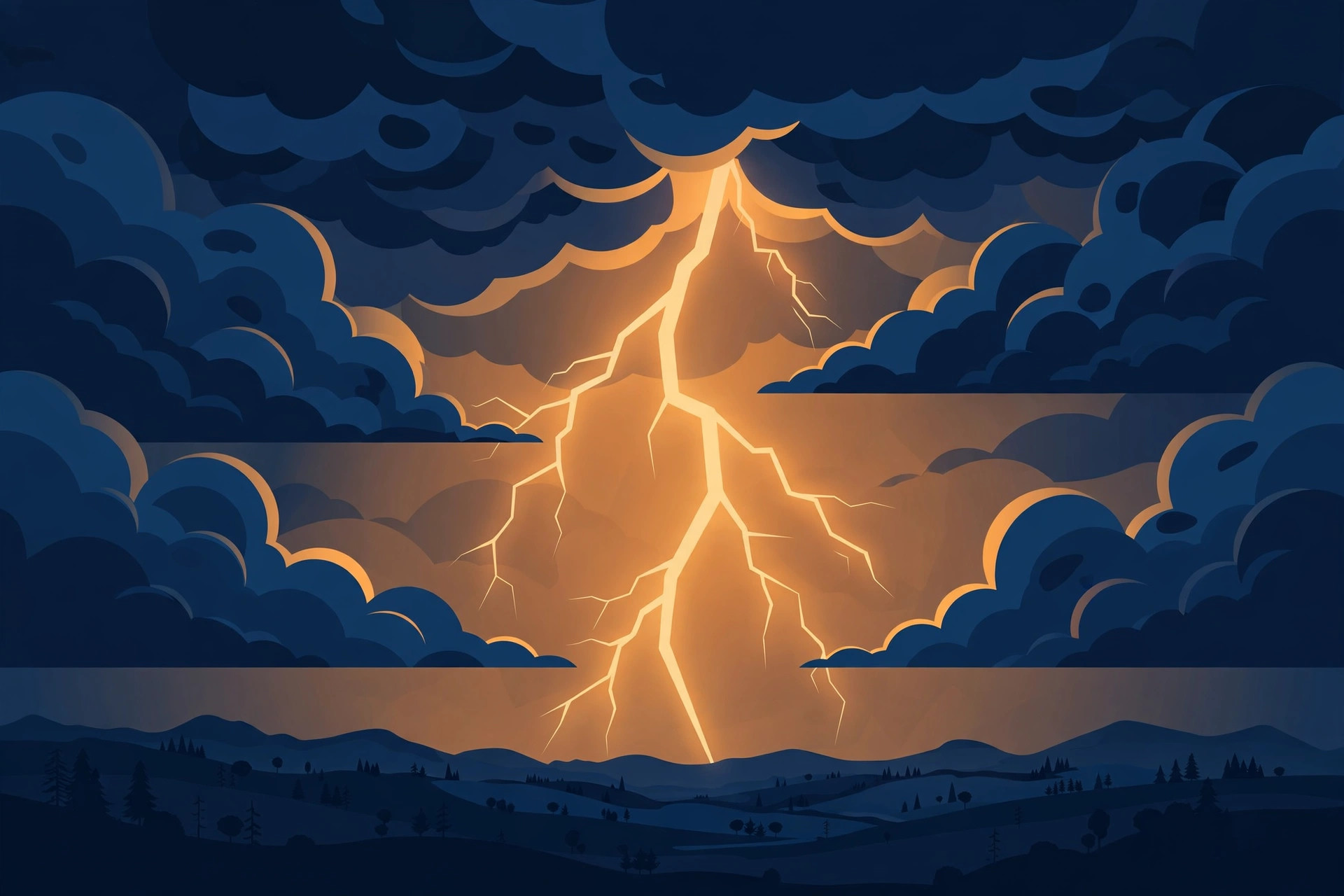
Why Do We See Lightning Before Thunder? Light Is Nearly a Million Times Faster Than Sound
Why do we see lightning before thunder? Both are born in the same instant — the flash is the discharge, the thunder is the air it superheats exploding outward. Light simply arrives first, by a huge margin.
 Science
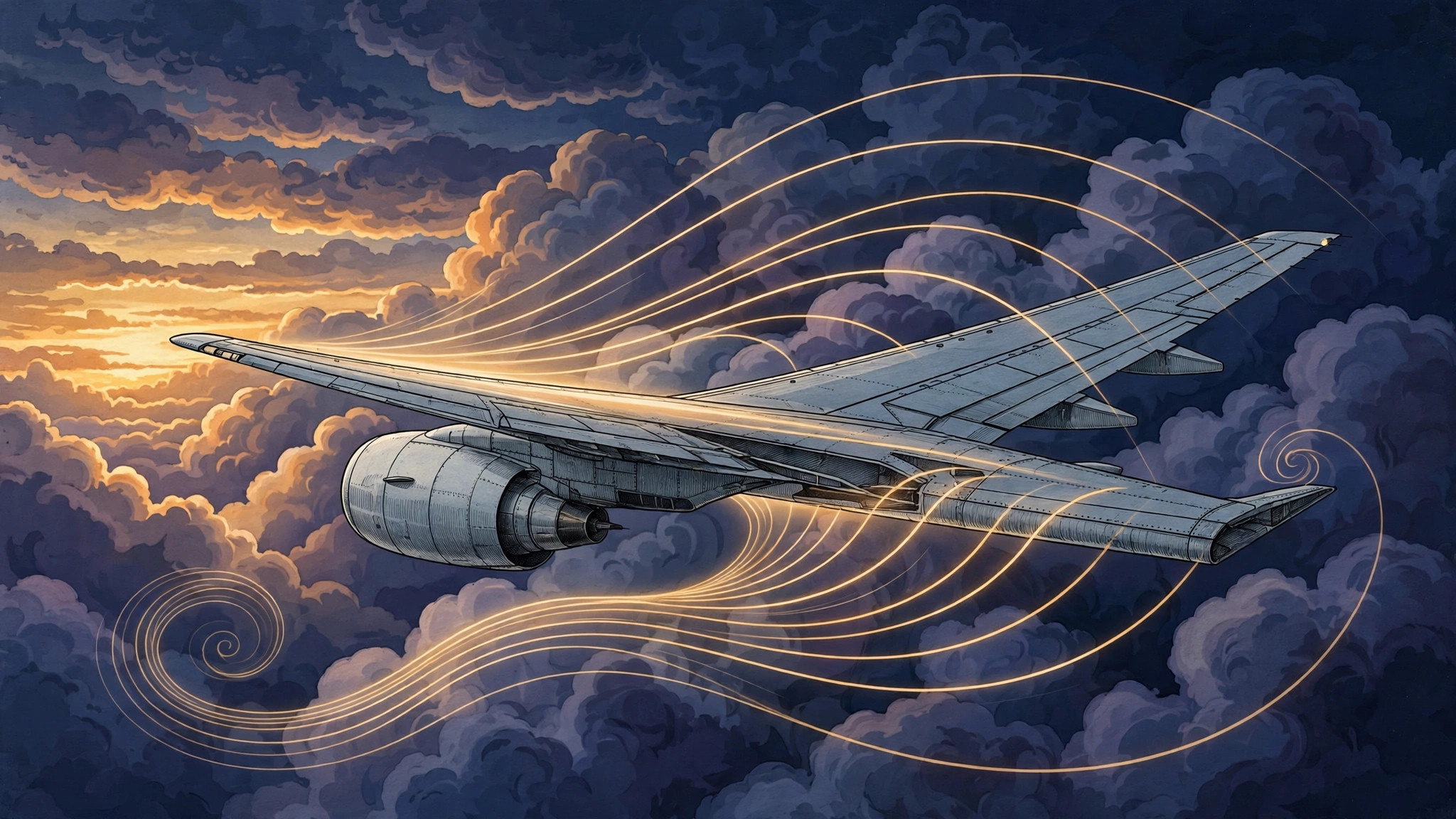
How Do Airplanes Fly? The Real Science of Lift
Airplanes fly because their wings push air downward — and the air pushes back up. That reaction force, plus lower pressure above the wing, is lift.