Why Do We Say Trick or Treat? The Phrase Is Younger Than the Tradition
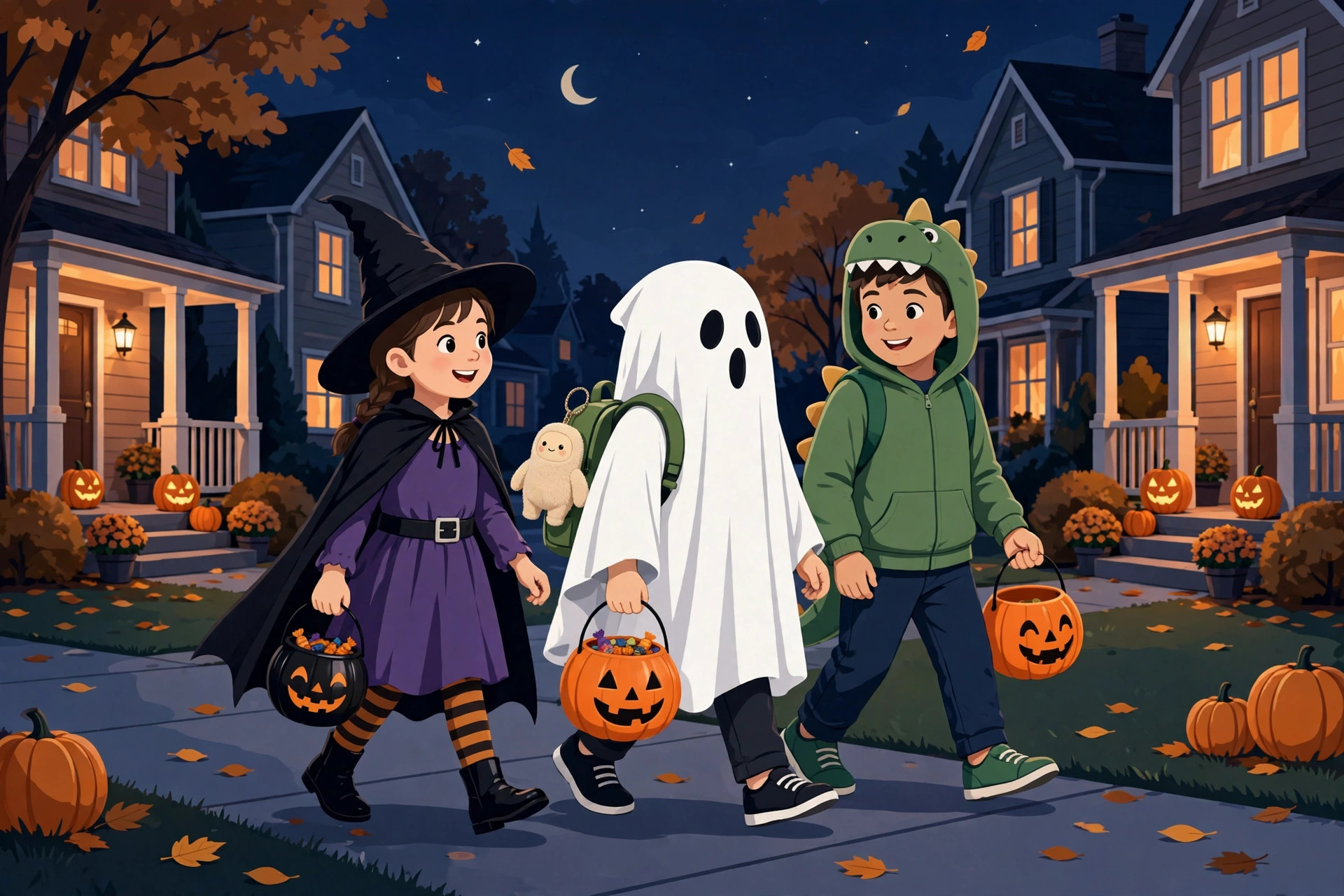
The words "trick or treat" are barely a century old — but the door-to-door bargain behind them stretches back to Celtic Samhain and medieval souling.
Why do we say trick or treat on Halloween? Because a century of doorstep bargaining got boiled down to a single playful ultimatum: hand over something sweet, or face a prank. The phrase sounds ancient, but the words themselves are surprisingly young — the custom behind them is not.
Why do we say trick or treat: the phrase itself
The earliest known printings of "trick or treat" come from North America in the 1920s. Etymologist Barry Popik traced variations of the phrase to Canadian newspapers of the period: a November 1923 article in the Saskatchewan Leader-Post noted that "'Treats' not 'tricks' were the order of the evening," and a 1924 Alberta paper complained about youngsters demanding "Treat or Trick." The first known use of the exact phrase in the United States appeared in a 1928 Michigan newspaper. The wording caught on because it summed up the deal perfectly — a treat buys you peace; refusing invites a trick.
Samhain: where the custom began
The roots of trick-or-treating reach back more than 2,000 years to Samhain, the Celtic festival marking the end of harvest and the start of winter. On that night, the boundary between the living and the dead was believed to thin, and people left food and drink outside their doors to appease wandering spirits — and wore disguises so the spirits would pass them by. That is why costumes and doorstep offerings are still the heart of Halloween.
Souling and guising: the medieval middle chapters
As Christianity spread, Samhain customs folded into Allhallowtide. On All Souls' Day (2 November), poor people went door to door souling: they offered prayers for the household's dead in exchange for spiced soul cakes. In Scotland and Ireland, meanwhile, children practised guising — visiting homes in costume and earning treats by singing, reciting poetry or telling jokes. The bargain was always the same: a small performance or prayer, rewarded with food.
How trick-or-treating became an American institution
Irish and Scottish immigrants carried guising to North America, but trick-or-treating only spread widely in the 1920s and 1930s, when Halloween pranking was at its rowdiest. Neighbourhoods and candy makers gradually steered the chaos into an organised, child-friendly ritual, and after a wartime pause for sugar rationing, the post-war years made it the national institution it is today — with the "trick" reduced to a joke nobody expects to collect on.
So when children chant "trick or treat" this Halloween, they are repeating a 1920s newspaper phrase for a bargain struck thousands of years ago: a treat for the spirits at the door, so the mischief passes on by.
For more Halloween history, read why we carve pumpkins on Halloween and why candy corn was once sold as "Chicken Feed".
More mind-blowing facts
 History
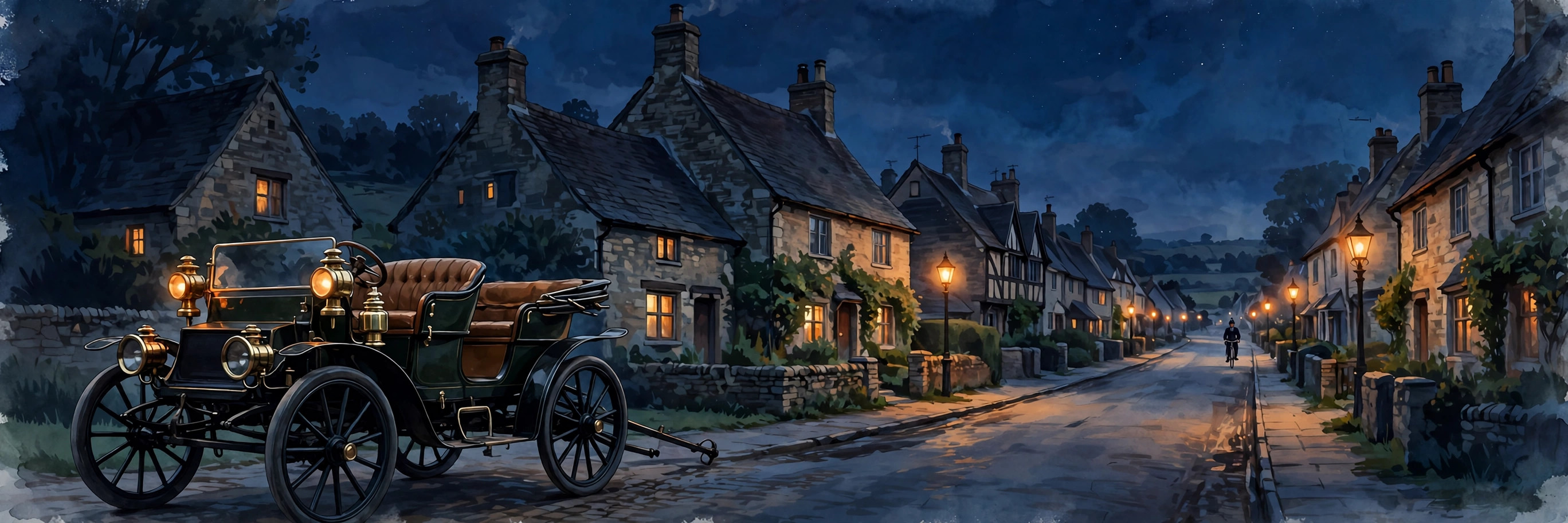
What Was the First Speeding Ticket? 8 mph in 1896
The first speeding ticket in history was issued for driving at 8 mph — four times the legal limit of 2 mph — and the officer who caught the driver was on a bicycle.
 History
Why Did Einstein Turn Down the Presidency of Israel?
In November 1952, Albert Einstein was offered the presidency of Israel. He declined within a day — and his reason was strikingly honest.
 History
Why Do We Say "Break a Leg"? The Theatre Superstition Explained
We say "break a leg" because theatre folk believe wishing a performer "good luck" will jinx the show — so they wish the opposite instead, hoping fate returns the favour.